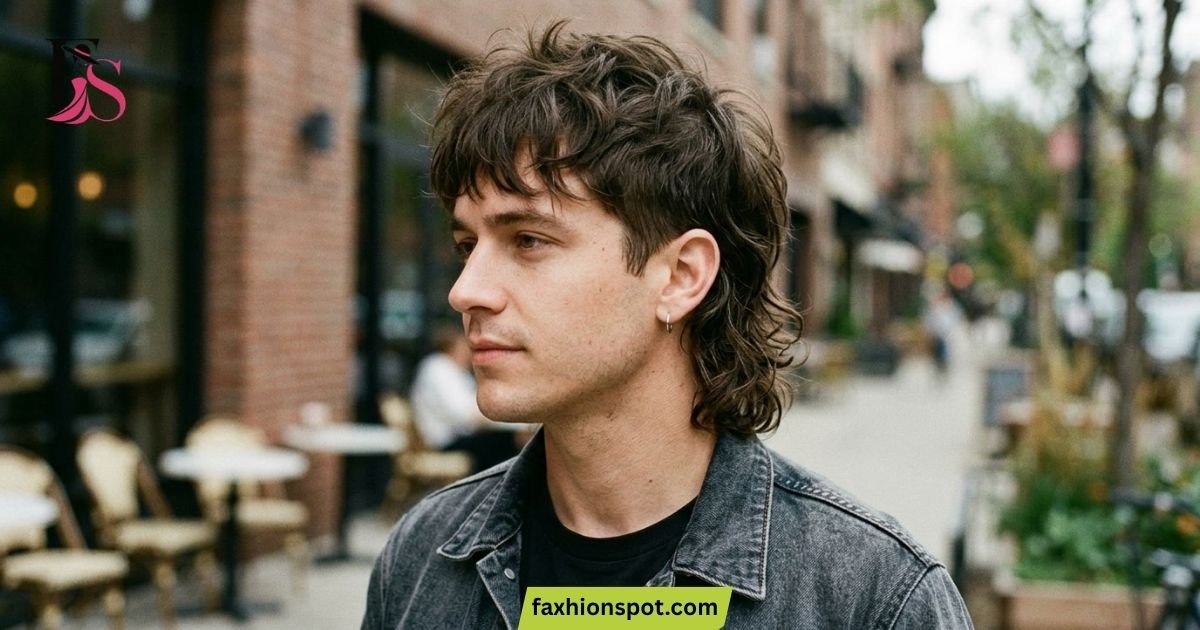
The Medium Length Mullet Haircut Men style is a great choice for anyone who wants a modern, expressive hairstyle without growing their hair excessively long.
It combines a shorter or controlled front and sides with extra length at the back, creating a distinctive shape that can look relaxed, polished, or edgy depending on how it is cut.
From layered mullets and textured flow to tapered edges and curtain fringes, there are plenty of ways to personalize this haircut.
Layered Balance Mullet
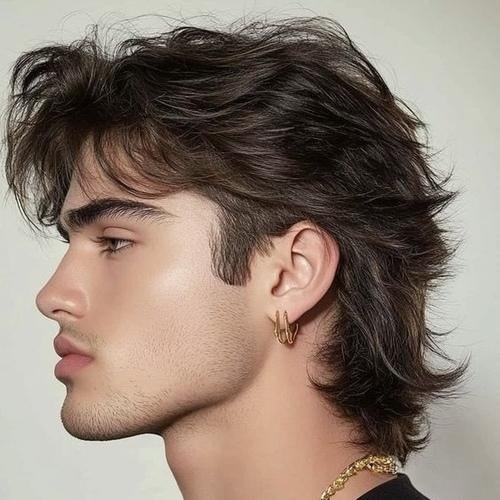
The layered balance mullet creates a smooth connection between the crown, sides, and longer back. Instead of relying on a dramatic difference in length, it uses carefully placed layers to give the haircut a natural and proportionate appearance.
This option is particularly suitable for men who want to try a mullet for the first time. The layers reduce unwanted bulk, help the hair move naturally, and keep the rear section from looking too heavy.
Best features:
- Soft transitions between the top and back.
- Natural movement without excessive styling.
- A balanced silhouette for everyday wear.
- Easy adaptation to straight, thick, or slightly wavy hair.
Barber tip: Ask for medium-length layers with a connected crown and a softly shaped nape. Keep the back long enough to maintain the mullet silhouette.
Textured Flow Mullet
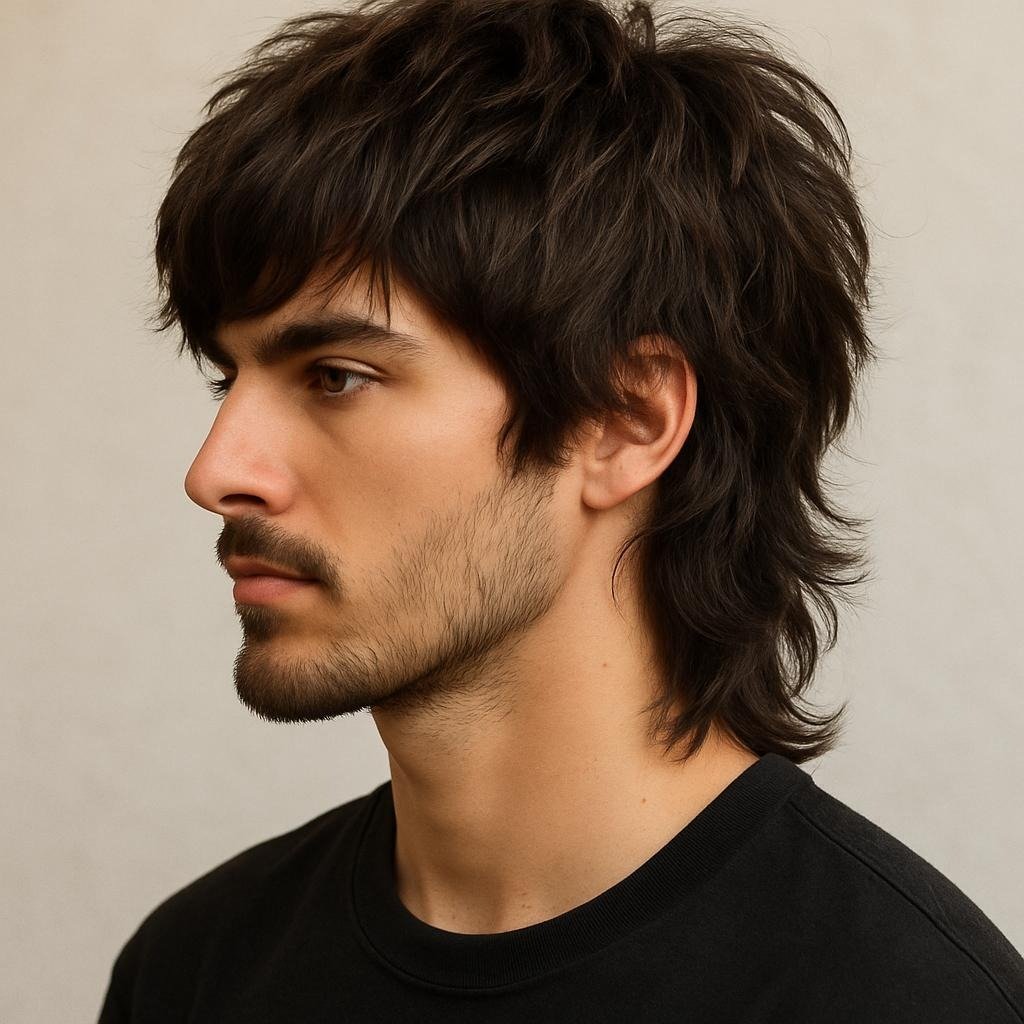
The textured flow mullet emphasizes movement and separation. The top has enough length to sweep naturally, while the back features loose layers that create a relaxed, flowing appearance.
This style is especially appealing if you prefer a hairstyle that does not look overly sculpted. A small amount of matte styling cream or texturizing spray can define the layers without making the hair stiff.
Men with naturally wavy hair may find that their texture adds movement with minimal effort. Straight hair can also achieve this look with light layering and suitable styling products.
Best features:
- A relaxed, modern appearance.
- Visible texture through the crown and back.
- Flexible styling for casual outfits.
- A good option for medium-density hair.
For the best result, avoid excessive thinning at the ends. Keeping enough weight in the back helps the hair flow instead of appearing sparse.
Tapered Edge Mullet
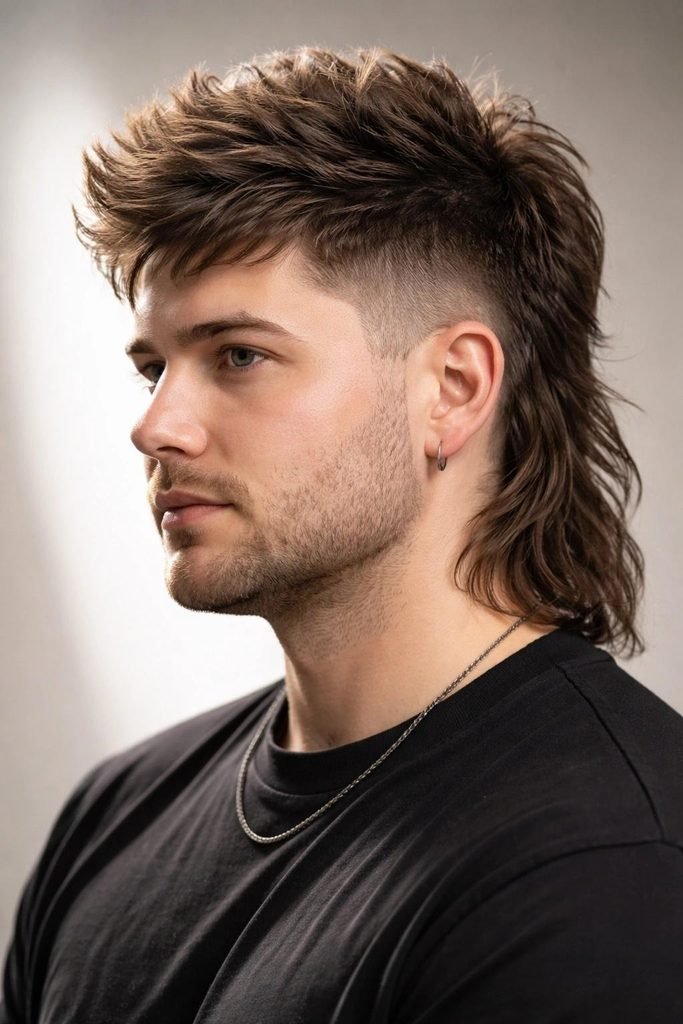
A tapered edge mullet combines the longer back of a traditional mullet with clean, gradually shortened hair around the temples and sideburns. Unlike a full fade, a taper usually preserves more hair on the upper sides, making the overall look softer.
This is an excellent option for men who want a neat outline without sacrificing the haircut’s distinctive shape. It can work particularly well with a textured top, a short beard, or a naturally swept fringe.
Best features:
- Clean sideburns and neckline.
- A softer alternative to shaved sides.
- A polished appearance suitable for different settings.
- A versatile shape that grows out naturally.
Barber tip: Request a low temple taper, keep the upper sides connected to the crown, and preserve the length at the back. A very high taper can change the proportions significantly.
Modern Shag Mullet
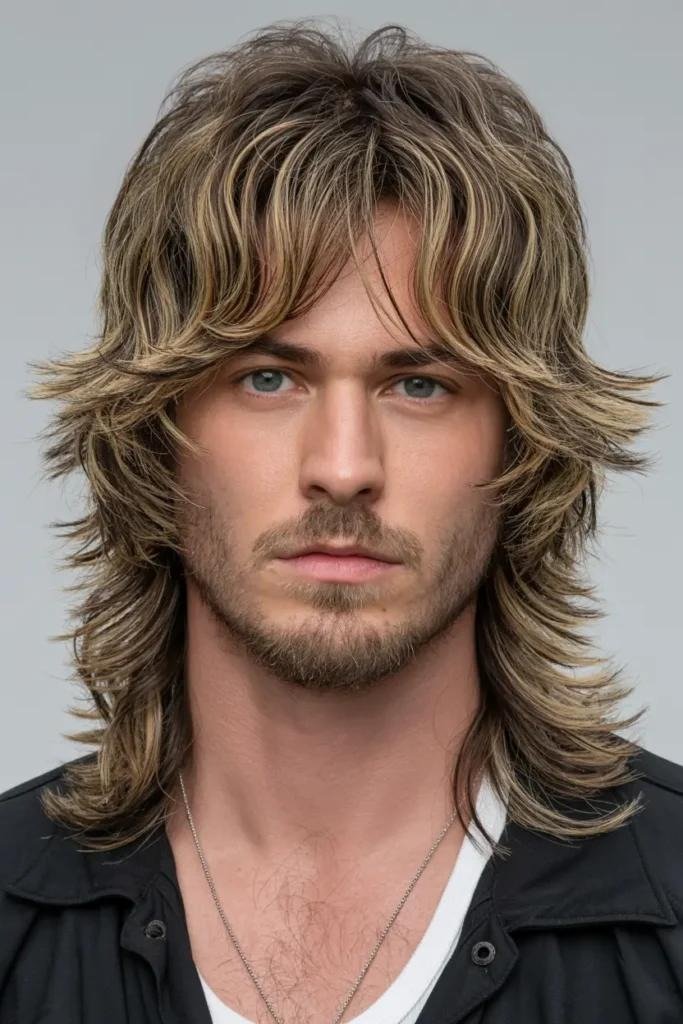
The modern shag mullet combines the layered character of a shag haircut with the longer rear section of a mullet. Its defining features are feathered layers, a textured fringe, and a slightly undone finish.
This version is ideal for men who prefer an artistic, rock-inspired appearance rather than a perfectly smooth haircut. The layers can also help remove excess weight from thick hair while preserving movement.
The shag-inspired shape works especially well with natural waves. Straight hair can wear it too, although some texturizing product may be needed to make the layers stand out.
Styling advice:
- Apply a small amount of lightweight styling cream to damp hair.
- Let the hair air-dry or use a diffuser on a low setting.
- Separate the layers with your fingers.
- Finish with a light texturizing spray if additional definition is needed.
Keep the fringe and crown proportionate to your face. Too many short layers can make the style look overly bulky around the forehead.
Curtain Fringe Mullet
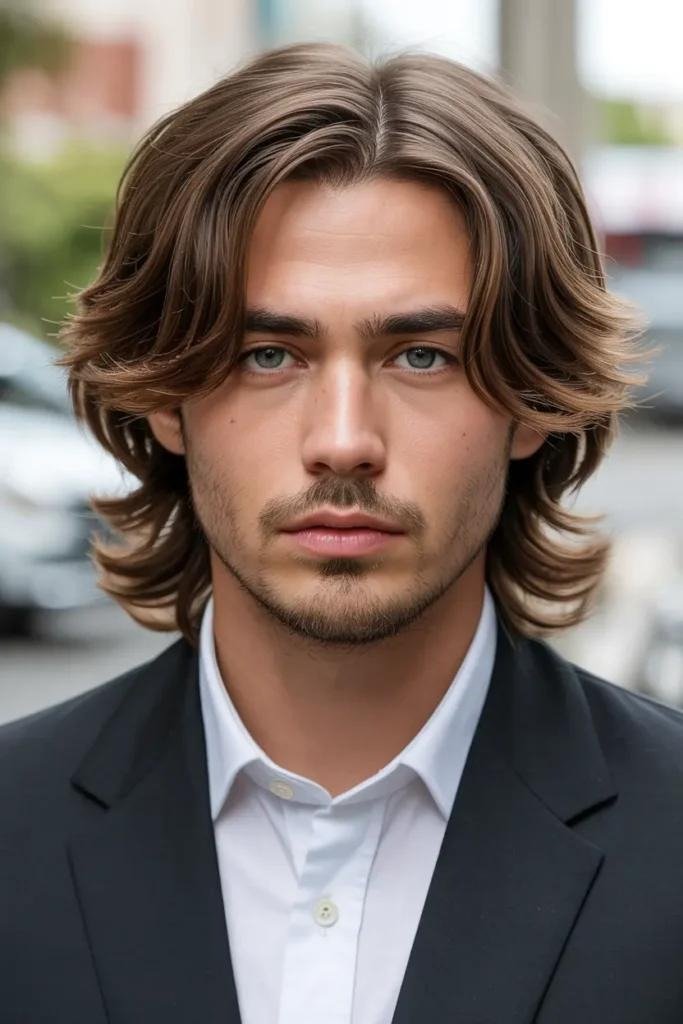
The curtain fringe mullet pairs a center or slightly off-center part with longer front sections that fall toward either side of the face. The rear remains longer, while the fringe adds a softer frame around the forehead and temples.
This combination creates a contemporary appearance influenced by relaxed, layered men’s hairstyles. It can soften prominent facial angles and provide more styling flexibility than a short, uniform fringe.
For the best result, the front needs enough length to fall naturally to the sides. A blow-dryer and a small amount of lightweight cream can help establish the part without making it look rigid.
Best for: Men who like medium-length hair, face-framing layers, and a relaxed middle-part finish.
Barber tip: Ask for curtain bangs that blend into the sides, connected crown layers, and a longer back. Show a reference photo to communicate your preferred fringe length.
Low Fade Mullet
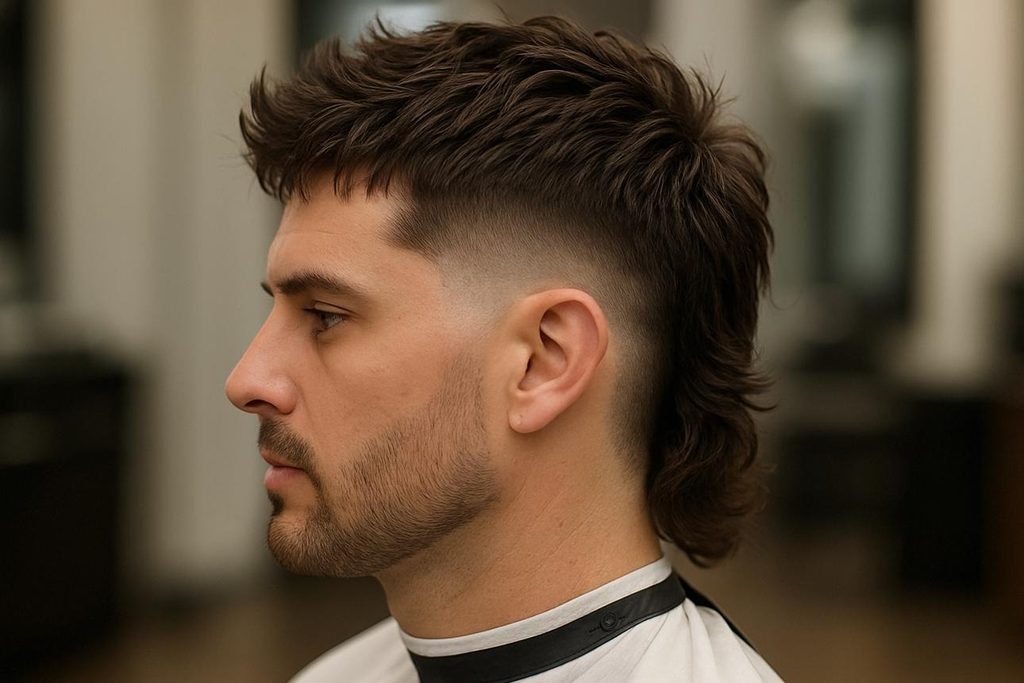
The low fade mullet creates contrast by gradually shortening the hair near the ears and lower sides while preserving length through the crown and back. Because the fade starts low, the upper section retains enough weight to keep the haircut balanced.
This variation suits men who enjoy a clean, contemporary finish but still want a noticeable mullet shape. It can be paired with a textured fringe, brushed-back top, or naturally curly crown.
| Feature | Low fade mullet | Tapered mullet |
| Side finish | More visible contrast | Softer and more gradual |
| Overall appearance | Sharper and bolder | Natural and understated |
| Upkeep | Often needs frequent edge cleanup | Usually easier to grow out |
| Best for | Defined, modern styles | Subtle, versatile styles |
To keep the result intentional, ask your barber to preserve the back length and avoid fading too far into the crown. The goal is a clean side profile with a connected top and longer rear.
Wavy Volume Mullet
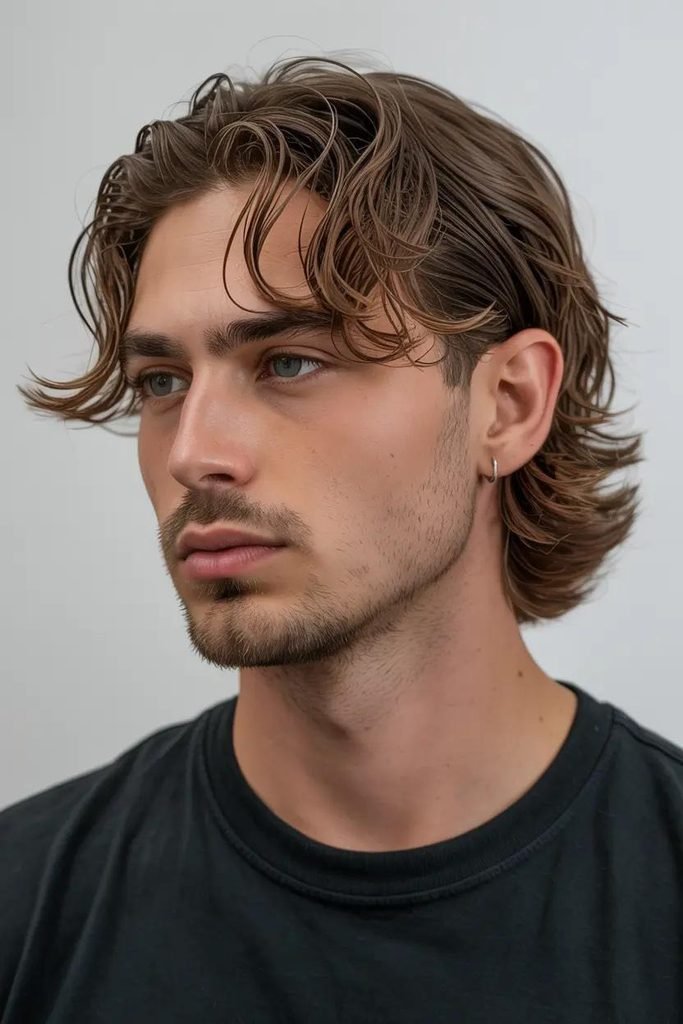
The wavy volume mullet uses natural waves to add fullness and movement throughout the top and back. Instead of forcing the hair into a rigid shape, the cut follows its natural bends and lets the texture create the silhouette.
Medium-length hair provides enough room for the waves to form without becoming difficult to manage. Layers can prevent thick hair from looking bulky, while a carefully shaped back keeps the mullet recognizable.
How to style it:
- Apply a lightweight curl or wave cream to damp hair.
- Scrunch gently to encourage natural definition.
- Use a diffuser on low heat or allow the hair to air-dry.
- Finish with a small amount of flexible-hold product if needed.
Avoid brushing dry waves aggressively because this can create frizz and reduce definition. A suitable conditioner and occasional trims also help the ends remain healthy.
Sleek Comb-Back Mullet
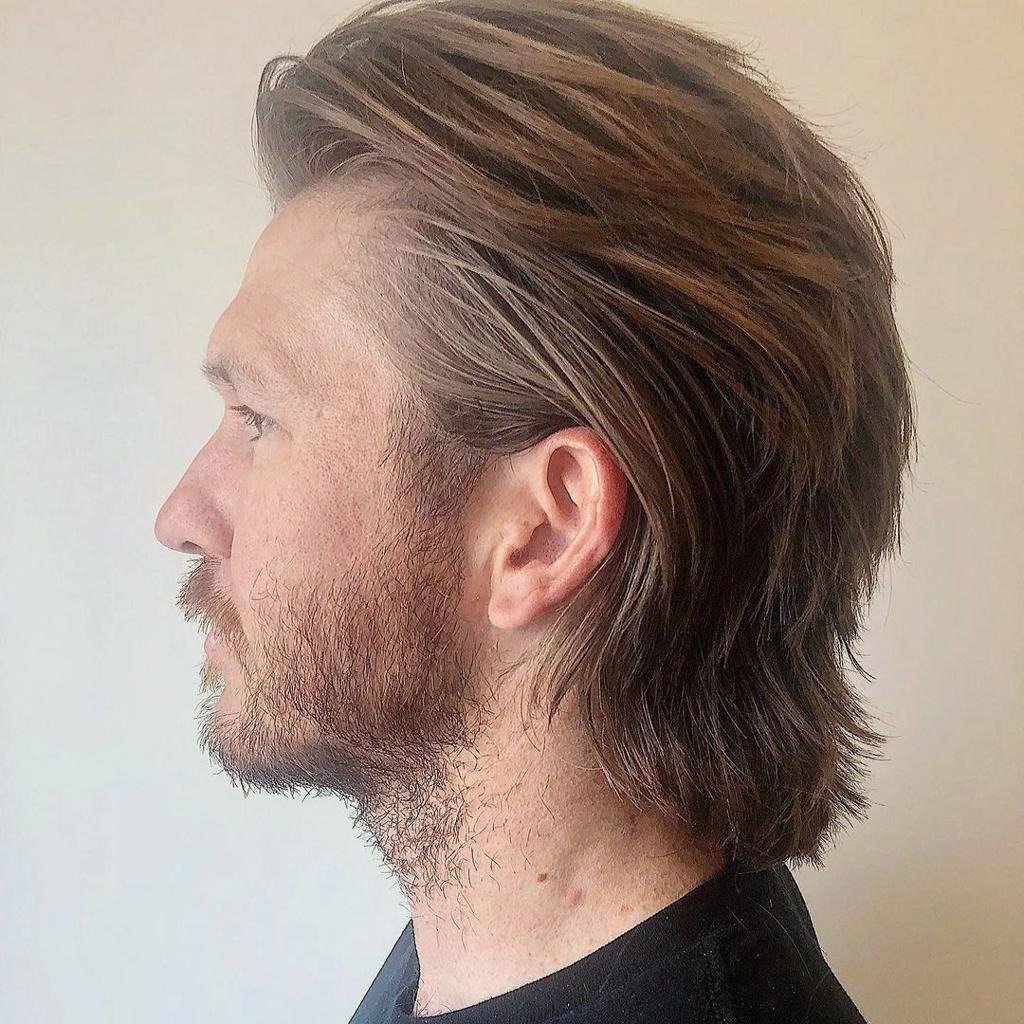
The sleek comb-back mullet offers a more controlled alternative to messy or heavily textured styles. The top is directed backward, the sides are kept neat, and the longer back maintains the haircut’s characteristic outline.
This style works well for dinners, events, office environments with flexible grooming expectations, and occasions when you want a more refined appearance. It can look particularly effective with straight or lightly wavy hair.
Start with a small amount of styling cream or a lightweight pomade. Use a comb or your fingers to direct the front backward, then adjust the finish according to how much shine you prefer.
For a natural result, avoid using too much product. Heavy formulas can flatten the crown and make medium-length hair look greasy rather than polished.
Barber tip: Request a connected, layered back and enough length on top to brush backward comfortably. Keep the sides controlled without making them disproportionately short.
Messy Rebel Mullet
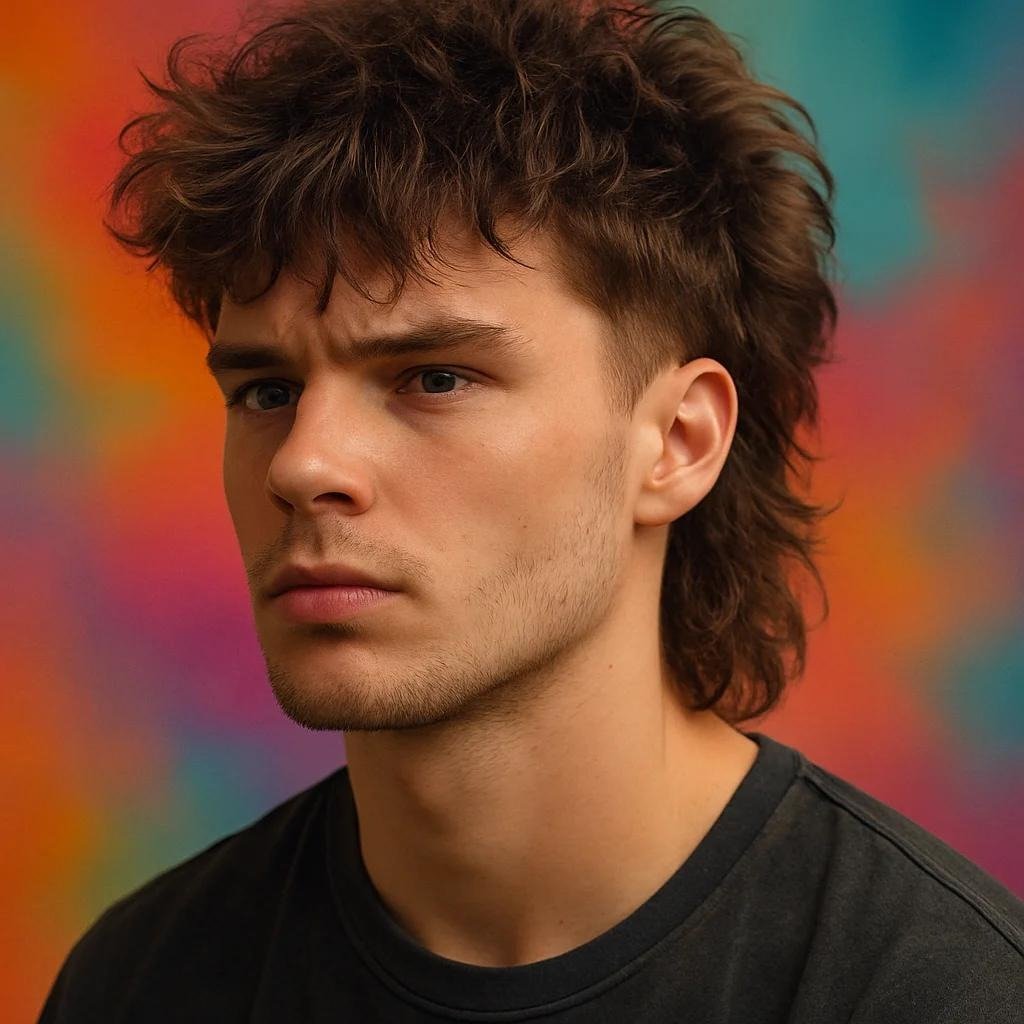
The messy rebel mullet embraces irregular texture, a relaxed fringe, and a less structured finish. It takes inspiration from alternative fashion, punk aesthetics, and contemporary street style without requiring an extreme haircut.
Choppy layers create separation across the crown, while the back retains enough length to establish the mullet shape. This style is especially suitable for men who enjoy experimenting with their appearance and prefer a little imperfection over a carefully combed finish.
For everyday styling, work a small amount of matte clay or texture paste through dry or nearly dry hair. Lift the roots lightly, separate a few strands, and allow the rest to fall naturally.
The best messy haircut still has a deliberate shape. Regularly cleaning up the outline and maintaining the layers prevents it from becoming an unplanned grow-out.
Style Impact Highlights
A well-designed mullet changes more than hair length. Its layers, fringe, side treatment, and overall proportions influence how the face is framed and how the hairstyle works with different outfits.
Face Framing Advantage
The front and side layers can draw attention toward the eyes, cheekbones, and jawline. A curtain fringe may soften angular features, while a shorter fringe and tapered sides can create a sharper appearance.
For round faces, additional height at the crown can help create a longer-looking silhouette. For longer faces, softer fringe and controlled crown volume may produce more balanced proportions.
Easy Styling Flexibility
Medium-length hair offers several styling options without requiring a complete haircut change. You can wear the top loose, sweep it backward, create a middle part, or emphasize natural waves.
For everyday flexibility, choose layers that work with your natural growth pattern. A haircut that falls well without extensive heat styling is generally easier to maintain.
Volume Enhancement Effect
Strategic layering can make the crown appear fuller and prevent thick hair from forming a heavy block at the back. The right technique depends on density: fine hair usually benefits from preserving fullness at the ends, while dense hair may need more weight removed internally.
Volume comes from the cut, natural texture, and styling technique working together. Products can support the result, but they cannot replace suitable layering.
Modern Edge Appeal
The contrast between controlled sides and a longer back creates the mullet’s distinctive profile. Adding a taper, low fade, textured fringe, or shag-inspired layers can make the shape feel more contemporary.
Choose the amount of contrast carefully. A subtle taper looks understated, while a skin fade or sharply disconnected shape makes the haircut more noticeable.
Low Maintenance Benefit
A medium mullet can be relatively easy to style once the barber has established the right shape. Natural texture often requires only a small amount of product, and the back does not need elaborate styling every day.
However, low maintenance does not mean maintenance-free. Faded sides may need cleanup every few weeks, while longer layered versions can often go longer between full shaping appointments.
Effects & Overall Benefits
Choosing the right medium mullet can influence your overall appearance, how you express your personal style, and how much time you spend grooming. The biggest benefits come from matching the cut to your natural hair rather than copying a style that does not suit your texture.
Confidence Boost Effect
A distinctive haircut can help you feel more comfortable expressing your personality. Whether you prefer a subtle taper or a textured, rebellious finish, the right shape can make your appearance feel more intentional.
For the best result, choose a version that feels authentic to you instead of following a trend simply because it is popular.
Youthful Appearance Impact
Textured layers, a relaxed fringe, and natural movement can create a fresh, contemporary appearance. A softer silhouette may feel less severe than a sharply structured haircut, although the effect depends on individual features and styling preferences.
Keeping the neckline tidy and avoiding excessive bulk around the sides can help the haircut look well maintained.
Texture Definition Effect
Layering can reveal natural waves, curls, and movement that might otherwise be hidden by heavy hair. On straight hair, texturizing techniques can create separation and help the style look less flat.
Ask your barber to work with your natural texture rather than removing too much weight. Fine, thick, wavy, and curly hair each respond differently to cutting techniques.
Versatility in Personal Style
One of the strongest advantages of this haircut is the number of ways it can be worn. A curtain fringe creates a softer finish, a comb-back offers a more polished look, and a low fade adds sharper contrast.
You can also change your styling products according to the occasion. Lightweight cream creates a natural finish, while matte clay provides more definition and control.
Balanced Boldness Effect
A mullet stands out because its front, sides, and back have different proportions. Medium length helps control that contrast, making it possible to choose a style that looks distinctive without becoming excessively dramatic.
If you are new to the haircut, start with connected layers and a low taper. You can introduce a stronger fade or more pronounced texture at a later appointment.
How to Maintain and Style Your Haircut
Good maintenance keeps the haircut looking deliberate as it grows. Your schedule depends on the side treatment, hair growth, and how precisely you want the outline to look.
| Maintenance task | Suggested routine | Main benefit |
| Side and neckline cleanup | Every 2–4 weeks for sharper fades | Preserves a clean outline |
| Full haircut shaping | Around 4–8 weeks, depending on growth | Maintains proportions |
| Shampooing | As needed for your scalp and hair type | Removes oil and product buildup |
| Conditioning | Regularly, especially for dry or curly hair | Supports softness and manageability |
| Styling product | A small amount as needed | Adds definition and control |
These are general starting points rather than strict rules. A soft, layered cut can often grow out comfortably, while a sharp fade may need more frequent attention.
Best Styling Products
- Matte clay: Adds texture and separation with little shine.
- Sea salt spray: Helps create a loose, beach-inspired finish, but can be drying if overused.
- Lightweight styling cream: Controls flyaways while preserving natural movement.
- Curl cream: Supports definition in wavy and curly hair.
- Lightweight pomade: Helps create a sleeker, combed-back appearance.
Start with less product than you think you need. Add a little more only if necessary, because excessive product can weigh down the crown and make the back appear greasy.
What to Tell Your Barber
Use this simple checklist before your appointment:
- Explain how long you want the back to remain.
- Choose between scissor-cut sides, a taper, or a low fade.
- Describe whether you want soft layers, choppy texture, or a smooth finish.
- Discuss fringe length and whether you prefer a center part.
- Show a reference photo from the front, side, and back.
- Ask the barber to account for your natural growth pattern and hair texture.
A clear reference photo is especially helpful because the same haircut name can mean different things to different barbers.
FAQs – Medium Length Mullet Haircut Men
Is a medium length mullet suitable for all face shapes?
It can be adapted to most face shapes. Crown height, fringe length, side volume, and back length should be adjusted to complement your individual features.
How often should I trim a medium mullet?
A trim every 4–8 weeks is a reasonable starting point. Faded sides may need cleaning up every 2–4 weeks to maintain a sharp finish.
Can I style a mullet for formal occasions?
Yes. Comb the top backward or create a neat side part, control flyaways, and keep the neckline tidy for a more polished appearance.
Does this haircut work with curly hair?
Yes. Layers can help curls form naturally and reduce excess bulk. A barber experienced with curly hair can account for shrinkage and preserve enough length at the back.
What products are best for styling?
Matte clay, lightweight styling cream, texturizing spray, and curl cream are useful choices. Select a product based on your hair texture and the finish you want.
Conclusion
The Medium Length Mullet Haircut Men trend offers a flexible way to combine classic mullet proportions with contemporary texture, layering, and clean side treatments.
From the balanced layered mullet to the modern shag, curtain fringe, low fade, and sleek comb-back, each variation creates a different appearance while retaining the defining longer back.
The best choice depends on your hair type, face shape, styling preferences, and willingness to maintain the cut.