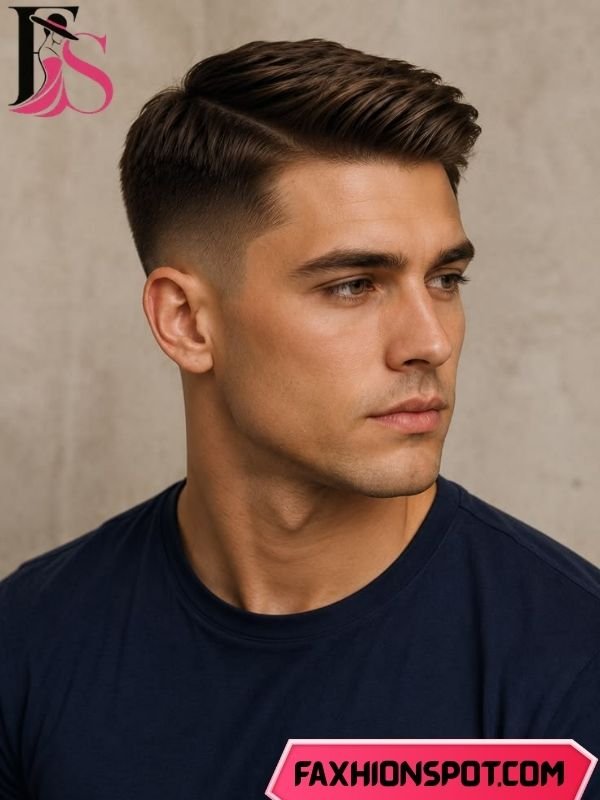
A great haircut can say a lot before you ever introduce yourself. The best old money hairstyles for men do not depend on dramatic fades, excessive shine, or complicated styling.
Instead, they rely on clean proportions, natural texture, controlled volume, and a finish that looks polished without appearing overworked.
Top Old Money Hairstyles for Men
The strongest old money cuts share a few characteristics: balanced proportions, soft transitions, natural movement, and enough length to style without looking rigid.
Unlike highly trend-driven haircuts, these styles can move comfortably from the office to dinner, a wedding, a country club, or a casual weekend.
Discover Your Best Look
If you want an easy starting point, choose according to your preferred length:
- Short and practical: Classic Taper, Caesar, Crew Cut
- Medium and versatile: Ivy League, Side Part, Quiff, Comb Over
- Longer and relaxed: Bro Flow, Layered Medium Cut, Brushed Back
- More polished: Slick Back, Pompadour, 80/20
- Textured and contemporary: French Crop, Side Fringe, Side Swept
The right choice should complement your face, hair density, natural texture, and daily routine.
Classic Taper
The classic taper is one of the safest choices for a refined appearance. Hair gradually becomes shorter around the temples and neckline while the top retains enough length for natural styling.
The important detail is avoiding an overly aggressive fade. A soft taper creates a smoother silhouette and keeps the haircut traditional.
Best for: Almost every face shape and most hair types.
Styling tip: Apply a small amount of lightweight cream and brush the top into place with your fingers or a comb.
French Crop
The French crop combines short sides with a textured top and subtle fringe. Although it is more compact than many traditional styles, a restrained version can look sophisticated and distinctly European.
Ask for soft tapering rather than an extreme skin fade. Keeping some texture on top prevents the haircut from looking too severe.
Best for: Straight, thick, or moderately fine hair.
Styling tip: Use a small amount of matte clay and work it through the top with your fingertips.
Undercut
A traditional undercut creates a clear difference between the shorter sides and longer top. For a refined interpretation, the contrast should remain controlled rather than extremely disconnected.
The longer top can be brushed back, parted, or swept slightly to one side. This gives you several styling options from one haircut.
Best for: Straight and thick hair.
Styling tip: Use a light cream rather than a heavy gel to maintain movement.
Ivy League Cut
The Ivy League is practically synonymous with classic prep grooming. It sits between a crew cut and a traditional side part, leaving enough length on top to create a neat sweep.
Its biggest advantage is versatility. It looks appropriate with a blazer but does not seem overdressed with jeans and a polo shirt.
Best for: Oval, square, and heart-shaped faces.
Styling tip: Comb the top slightly to the side while allowing a little natural texture to remain visible.
Classic Slick Back
The classic slick back creates a confident, composed appearance by directing the hair away from the face. It works particularly well when the hair has enough length to flow naturally.
For a modern refined finish, avoid making the hair look wet or helmet-like. The goal is controlled movement rather than excessive shine.
Best for: Medium to thick hair with some natural length.
Styling tip: Start with damp hair and use a lightweight styling cream before brushing backward.
Classic Pompadour
The classic pompadour adds height at the front while maintaining a clean, structured shape. It has a stronger presence than a simple taper but can still look elegant when the volume is controlled.
A contemporary interpretation should avoid exaggerated height. Moderate volume makes the haircut easier to wear and more believable as an everyday style.
Best for: Oval and square faces.
Styling tip: Blow-dry the front upward and backward, then finish with a small amount of medium-hold product.
Layered Cut
A layered cut introduces movement without sacrificing a polished silhouette. Strategic layers prevent thick hair from appearing bulky and allow waves or natural texture to sit more naturally.
This is particularly useful if you prefer medium-length hair and do not want a rigid, highly structured finish.
Best for: Thick, wavy, and naturally textured hair.
Styling tip: Let the layers move naturally and avoid overloading them with product.
Caesar Cut
The Caesar is short, practical, and unmistakably classic. It features a relatively short top with a compact fringe, giving the face a clean frame.
For a more refined version, keep the edges soft and the overall shape balanced. Avoid turning the cut into an extremely sharp modern fade.
Best for: Oval, square, and longer face shapes.
Styling tip: A small amount of matte paste is enough to control the fringe.
Classic Quiff
The classic quiff combines a little height at the front with shorter, neatly tapered sides. It is an excellent choice if you want a hairstyle that looks sophisticated without being overly formal.
The secret is restraint. A low-to-medium quiff generally looks more timeless than an exaggerated modern version.
Best for: Oval, round, and square faces.
Styling tip: Blow-dry the front upward and slightly backward, then use a light styling cream.
Layered Medium Cut
A layered medium cut offers one of the easiest ways to achieve relaxed sophistication. The additional length allows the hair to fall naturally around the sides and crown.
Rather than forcing every strand into position, let the haircut’s natural movement do some of the work.
Best for: Medium to thick hair and naturally wavy textures.
Styling tip: Use leave-in conditioner or a lightweight cream to keep the hair soft and controlled.
Classic Comb Over
The classic comb over is structured, neat, and remarkably versatile. A natural side part separates the hair before the longer section is gently combed across.
The refined version is not about hiding thinning hair or creating an exaggerated sweep. It is about using the natural part and maintaining a balanced shape.
Best for: Straight and slightly wavy hair.
Styling tip: Use a fine-to-medium tooth comb with a small amount of low-shine product.
Bro Flow
The Bro Flow is the relaxed member of this group. Hair grows to medium or longer length and naturally flows backward or around the ears.
It works especially well for men who prefer an effortless appearance. The style feels less formal than an Ivy League or side part while still looking groomed when properly maintained.
Best for: Thick, wavy, or naturally flowing hair.
Styling tip: Avoid excessive styling. A lightweight cream can control frizz while preserving movement.
Side Fringe
A side fringe gives a softer, more relaxed appearance than a traditional structured part. The front hair falls naturally across the forehead and can visually soften angular features.
It is a useful option if you want classic grooming without an overly formal finish.
Best for: Straight to slightly wavy hair.
Styling tip: Blow-dry the fringe sideways and finish with a tiny amount of lightweight cream.
Classic Crew Cut
The classic crew cut is short, disciplined, and easy to maintain. Unlike some modern versions, the traditional approach keeps the transition between the top and sides relatively soft.
It is particularly effective for men who want refined grooming with almost no daily styling.
Best for: Active lifestyles and most hair types.
Styling tip: Usually, little or no product is necessary. Keep the neckline and sides regularly trimmed.
Classic Side Part
The classic side part may be the most recognizable gentleman’s haircut in this category. Hair is separated along a natural part and styled neatly to one side, while the sides are tapered rather than aggressively faded.
Its appeal comes from proportion. It looks established, professional, and adaptable without chasing current trends.
Best for: Oval, square, rectangular, and heart-shaped faces.
Styling tip: Use a light cream or matte pomade and comb the hair gently into place.
Curtain Cut
The curtain cut divides the hair around the center or slightly off-center, allowing the front sections to frame the face.
A polished version uses medium length and natural texture rather than excessive volume. It can create a relaxed European or prep-inspired appearance.
Best for: Oval and heart-shaped faces, especially with straight or wavy hair.
Styling tip: Blow-dry the front away from the center and let the ends fall naturally.
Scissor Cut
A scissor cut is less about one specific shape and more about how the haircut is constructed. Instead of relying heavily on clippers, the barber uses scissors to create soft transitions and preserve natural density.
This approach is particularly valuable if you want a haircut that feels customized rather than mass-produced.
Best for: Men who want natural texture and soft edges.
Styling tip: Ask your barber to work with your natural growth pattern instead of forcing a rigid shape.
Side Swept
The side-swept style takes the traditional side part and makes it more relaxed. The top is directed diagonally rather than tightly combed, allowing texture and movement to remain visible.
It is a particularly good choice for everyday wear because it looks polished without appearing formal.
Best for: Straight, wavy, and moderately thick hair.
Styling tip: Apply product sparingly and use your fingers for a less rigid finish.
Brushed Back
Brushed-back hair offers the sophistication of a slick back with a softer, more natural appearance. Instead of compressing the hair against the scalp, the style allows some volume to remain.
This makes it a strong option for men who want medium-length hair with an elegant silhouette.
Best for: Medium and thick hair.
Styling tip: Use a lightweight cream and brush the hair backward while it is slightly damp.
80/20 Haircut
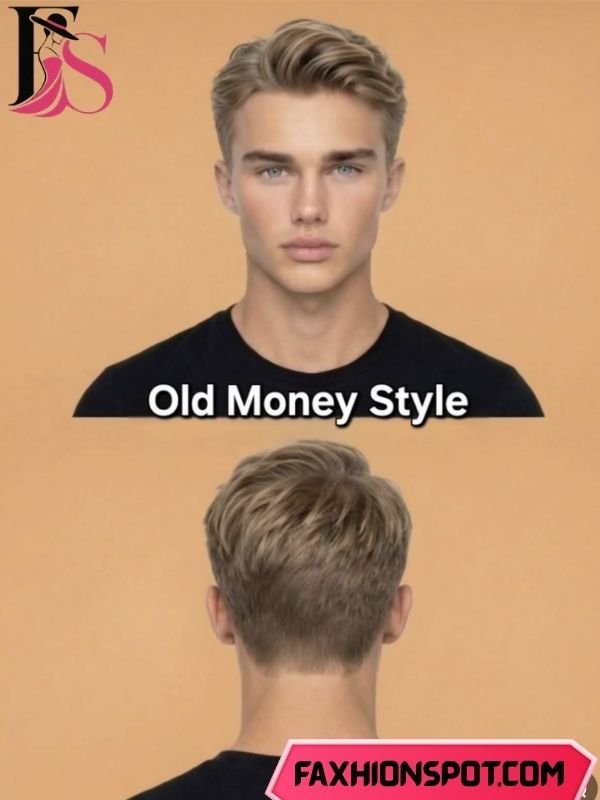
The 80/20 haircut has become one of the signature interpretations of contemporary old money grooming. The hair is divided asymmetrically, with roughly 80 percent swept to one side and 20 percent to the other.
It generally works best with medium-length hair because the additional length creates the flowing shape associated with the style.
Best for: Straight to wavy medium-length hair.
Styling tip: Establish the part while the hair is damp, then let the top dry naturally for a softer finish.
What Is an Old Money Hairstyle?
An old money hairstyle is not one specific haircut. It is a grooming philosophy built around classic proportions, clean structure, natural texture, and understated refinement.
The aesthetic is closely associated with traditional prep and Ivy League grooming, but it is broader than either category. Modern interpretations can include longer styles, textured cuts, side sweeps, and relaxed flows as long as the overall appearance remains controlled.
Current style guides consistently emphasize soft tapering, natural movement, moderate volume, and avoiding overly stiff products.
The difference between a basic haircut and an expensive-looking haircut often comes down to small details:
- Clean but not overly sharp edges
- Balanced length around the head
- Healthy-looking hair
- Natural texture
- Moderate volume
- Minimal product buildup
- Regular maintenance
- A shape that complements the face
In other words, the goal is not to make your haircut scream luxury. It should look as though good grooming is simply part of your routine.
How to Choose the Right Old Money Hairstyle
The best haircut is the one that works with your natural features instead of fighting them.
Before choosing a reference photo, consider your face shape, hair type, and how much time you realistically want to spend styling each morning.
Consider Your Face Shape
Face shape can help narrow down your options, although it should never be treated as an absolute rule.
| Face Shape | Styles to Consider | Why They Work |
| Oval | Almost all classic cuts | Naturally balanced proportions |
| Square | Ivy League, Quiff, Side Part | Adds controlled height and movement |
| Round | Quiff, Slick Back, Side Part | Creates visual length |
| Rectangular | Side Fringe, Crew Cut, Layered Cut | Helps avoid excessive height |
| Heart | Curtain Cut, Side Fringe, Ivy League | Adds balance around the forehead and jaw |
| Diamond | Side Swept, Layered Cut, Classic Taper | Softens prominent cheekbones |
If you are between two face shapes, focus more on your actual hairline, forehead width, jawline, and natural hair movement than on the label.
Know Your Hair Type
Hair texture can determine whether a haircut looks effortless or requires constant work.
Straight hair: Excellent for side parts, slick backs, comb overs, 80/20 styles, and classic tapers.
Wavy hair: Ideal for layered cuts, Bro Flows, brushed-back styles, and relaxed side sweeps.
Thick hair: Benefits from layering and scissor work that remove unnecessary bulk without making the hair look thin.
Fine hair: Usually looks better with moderate length and lightweight products that add texture without weighing the hair down.
Curly hair: Can work beautifully with a classic taper or layered medium shape when the natural curl pattern is respected.
The principle is simple: work with your texture rather than trying to completely change it.
Match the Style to Your Lifestyle
Your daily routine matters as much as your appearance.
| Lifestyle | Good Choices |
| Corporate/professional | Side Part, Ivy League, Classic Taper |
| Low maintenance | Crew Cut, Caesar, Classic Taper |
| Creative/casual | Bro Flow, Layered Cut, Curtain Cut |
| Formal occasions | Slick Back, Pompadour, Comb Over |
| Active lifestyle | Crew Cut, Ivy League, French Crop |
| Natural styling preference | Scissor Cut, Side Swept, Brushed Back |
A haircut that takes 20 minutes every morning may look excellent in a photograph but become frustrating in real life.
Choose something you can maintain consistently.
Click Here To Read Another Topic
How to Ask Your Barber for an Old Money Haircut
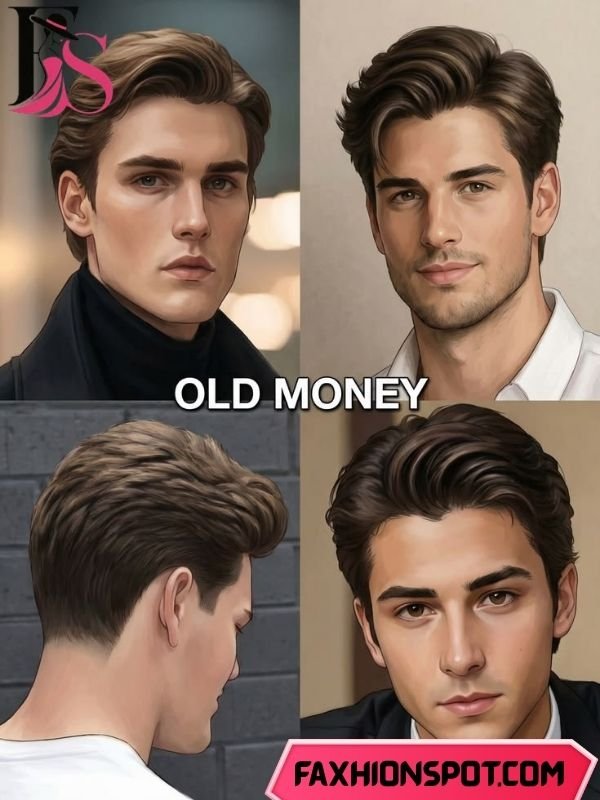
A good haircut begins with a clear conversation. The phrase “give me an old money haircut” can mean different things to different barbers.
Instead, describe the length, taper, texture, and finish you want.
Use the Right Terms
Try language such as:
- “Keep the sides softly tapered.”
- “Leave enough length on top for a natural side part.”
- “I don’t want an aggressive skin fade.”
- “Keep the edges clean but soft.”
- “Use scissors on top for natural texture.”
- “I want movement rather than a stiff finish.”
- “Leave some length around the crown.”
- “Keep the overall shape classic and balanced.”
These instructions give your barber something concrete to work with. Professional styling guidance also emphasizes soft tapering and retaining length around the top, crown, and parietal ridge for a more natural result.
Bring a Reference Photo
A photograph can communicate proportions much faster than words.
Bring two or three images showing the front, side, and overall silhouette. Ideally, choose photos where the hair texture resembles yours.
Also tell your barber what you do not want. For example, you might say, “I like the length and shape, but I don’t want a skin fade.”
Keep It Simple
Do not overwhelm your barber with ten different requests.
Start with three things:
- Desired length on top
- Desired taper on the sides
- Desired styling direction
Then let the barber adapt the haircut to your head shape and hair density.
The best result is rarely an exact copy of a photograph. It is a version of that haircut designed for you.
FAQ
What is the most classic old money haircut for men?
The classic side part, Ivy League, and soft taper are among the most recognizable choices because they combine clean structure with natural proportions.
Do old money haircuts need a fade?
No. A soft taper is often more appropriate because it creates a traditional transition without the high-contrast appearance of an aggressive fade.
What hair length works best?
Medium length on top is highly versatile, but short and longer styles can also work when the proportions remain balanced and well maintained.
Can men with curly hair achieve the look?
Absolutely. A controlled taper with natural curls or a layered shape can create a sophisticated result without straightening the hair.
Conclusion
The secret behind an expensive-looking haircut is rarely complexity. It is proportion, consistency, and restraint.
A classic taper, Ivy League, side part, slick back, 80/20, or relaxed Bro Flow can all create a sophisticated appearance when the haircut is tailored to your face and hair type.