
A low blowout taper with fringe combines controlled volume, clean edges, and a forward fringe into one modern men’s haircut.
It keeps the taper close to the ears and neckline while leaving enough length on top to create lift and movement. The result is neat without looking overly sharp.
This low blowout taper with fringe guide explains how the cut works, which hair types and face shapes suit it, popular variations, simple styling steps, barber wording, and maintenance.
What Is a Low Blowout Taper with Fringe?
A low blowout taper with fringe has three main components:
- Low taper: The sides shorten gradually around the sideburns, ears, and lower neckline.
- Blowout: The top is dried upward, outward, or slightly forward to create airy volume.
- Fringe: The front is left long enough to fall toward the forehead.
Unlike a high fade, the taper does not climb far up the sides. More weight stays around the temples and upper sides, giving the haircut a softer silhouette. With a low blowout taper with fringe, the top does most of the visual work.
The taper part of a low blowout taper with fringe means the sides become gradually shorter near the perimeter without creating a dramatic high-contrast fade.
With a low blowout taper with fringe, a useful detail is that “blowout” describes the shape and styling as much as the cutting technique. The exact result depends on top length, hair density, texture, and how the hair is dried.
| Feature | What it does |
| Low taper | Cleans the ears, sideburns, and neckline |
| Blowout top | Creates lift, movement, and fullness |
| Fringe | Frames the forehead and face |
| Textured finish | Adds separation instead of a flat shape |
Why This Haircut Is Trending Right Now

A low blowout taper with fringe fits the current preference for hairstyles that look textured rather than overly polished. Recent haircut guides also highlight low versions because they preserve more side weight while still creating noticeable volume on top.
Another reason the low blowout taper with fringe remains versatile is its easy change of direction. You can wear the fringe forward for a relaxed look, push it slightly to one side for a cleaner finish, or make it more piecey for a casual appearance.
The same basic cut can therefore move between school, work, social events, and weekends. The low blowout taper with fringe also photographs well because the contrast between tapered edges and a fuller top gives the haircut a clear shape from the front and side.
Its popularity also comes from customization. The taper can remain subtle, while the fringe can be cropped, textured, curly, wavy, side-swept, or longer.
Best Hair Types for This Haircut
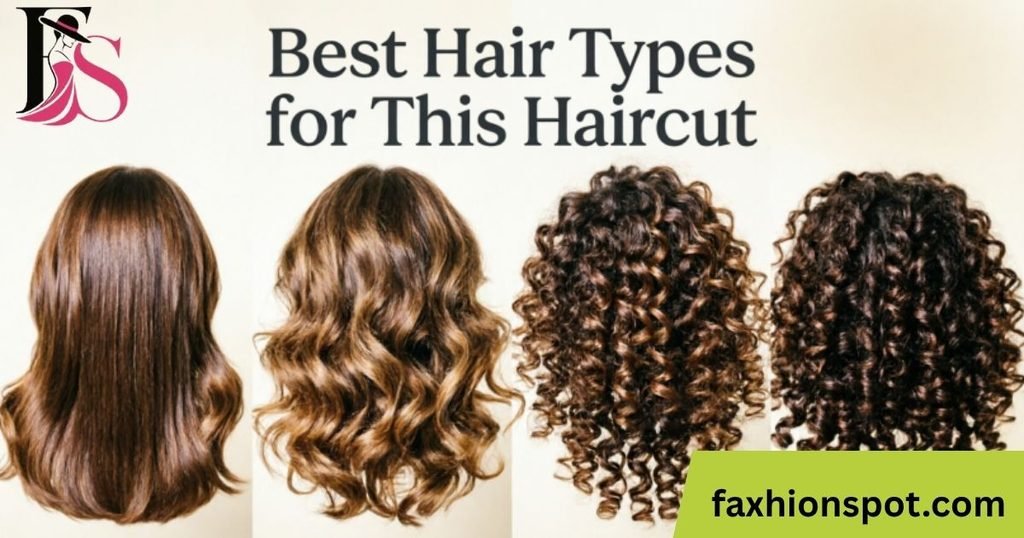
A low blowout taper with fringe can be adapted to several textures, but the styling method should change with the hair.
| Hair type | How it can work |
| Straight | Easy to direct forward and lift with a dryer |
| Wavy | Naturally adds texture and movement |
| Curly | Creates a defined curly fringe and fuller crown |
| Thick | Gives strong volume but may need debulking |
| Fine | Benefits from lightweight volumizing products |
Straight Hair
For a low blowout taper with fringe, straight hair gives you strong control over the fringe. A blow dryer and round brush can create lift at the roots, while a small amount of matte product keeps the front separated.
Straight hair is also useful if you prefer a cleaner, more controlled appearance. Ask the barber to preserve enough length on top so the hair does not fall completely flat.
Wavy Hair
A low blowout taper with fringe is especially useful when you want a relaxed, textured finish on wavy hair. Avoid brushing it completely flat. Instead, use the dryer to encourage the natural wave and direct the fringe into place.
A lightweight styling cream or matte paste can help define individual sections without making the waves look stiff.
Curly Hair
With a low blowout taper with fringe, curly hair can create a distinctive fringe with plenty of natural volume. Ask your barber to work with your curl pattern rather than forcing the top into a straight blowout shape.
Current haircut guides commonly include curly and wavy fringe variations, showing how the style can be adapted to natural texture.
For tighter curls, a diffuser can help maintain definition while the taper keeps the perimeter clean.
Best Face Shapes
A low blowout taper with fringe is flexible because the fringe can be changed to balance the appearance of the forehead and face.
| Face shape | Helpful approach |
| Oval | Most fringe lengths can work |
| Round | Add controlled height and avoid excessive width |
| Square | Use a softer, textured fringe |
| Oblong | Keep more fringe length and moderate top height |
| Heart | A fuller, slightly angled fringe can balance the forehead |
For a low blowout taper with fringe on a round face, too much side bulk can make the head appear wider, so ask for controlled weight around the temples.
For a longer face, keeping the fringe fuller can visually reduce the amount of forehead and add balance. A square face can benefit from softer texture rather than extremely hard, geometric lines.
Your natural head shape still matters when choosing a low blowout taper with fringe. Hair density, cowlicks, and growth direction can change how the finished style sits.
A good barber should adjust the cut rather than copy a photo exactly.
Popular Low Blowout Taper with Fringe Styles
There are several ways to personalize a low blowout taper with fringe without changing the basic haircut.
Textured Fringe
The front is cut into separated pieces rather than one solid line. This creates a casual, modern finish and works particularly well with straight or wavy hair.
Short Cropped Fringe
A shorter fringe sits higher on the forehead. It looks cleaner and can require less daily styling than a longer front.
This version is also useful for men who want the appearance of a fringe without having hair fall heavily over the eyebrows.
Curly Fringe
Natural curls become the main feature at the front. The taper keeps the perimeter clean while the curls supply shape and volume.
For curly hair, the barber should consider shrinkage before deciding the final fringe length.
Side-Swept Fringe
Instead of falling directly forward, the fringe is directed diagonally. This creates a more polished appearance and can be useful for dressier settings.
It is also a practical choice if you want a haircut that can look casual or professional depending on how you style it.
Messy Blowout Fringe
The top is lifted with a deliberately imperfect texture. Small pieces are separated with matte product so the haircut feels relaxed instead of sculpted.
This variation works particularly well for younger men who prefer a less formal finish.
Long Fringe
Extra length at the front gives you more styling choices. You can wear it forward, sweep it sideways, or blend it into a textured top.
The longer front can also be shortened later, giving you several styling options from the same haircut.
How to Style a Low Blowout Taper with Fringe
For a low blowout taper with fringe, you do not need a complicated routine. The main goal is to build root volume while keeping the fringe controlled.
- Start with damp hair. Towel-dry gently instead of rubbing aggressively.
- Apply a lightweight styling product. Mousse or a light volumizing product can help fine or flat hair.
- Lift the roots. Use a blow dryer while directing the top upward and slightly outward.
- Shape the fringe. Bring the front forward, diagonally, or slightly upward depending on your preferred finish.
- Add texture. Work a small amount of matte clay or paste through the top.
- Finish lightly. Use hairspray only if your hair loses its shape quickly.
A round brush can add more lift, while a diffuser is useful when preserving natural curls or waves.
You do not have to create maximum volume every day. A softer blow-dry often looks more natural.
If your hair is naturally thick, concentrate the dryer at the roots instead of repeatedly blasting the ends. This helps prevent unnecessary frizz and keeps the shape controlled.
How to Ask Your Barber
For a low blowout taper with fringe, clear instructions are more useful than simply naming the haircut. The phrase “blowout taper” can be interpreted differently from one barber to another, so a reference photo is valuable.
Try this script:
“I want a low taper around the sideburns, ears, and neckline. Keep the sides fairly full and leave enough length on top for a blowout. I want a textured fringe that comes forward over the forehead. Please keep the taper low and avoid taking it too high.”
Then specify:
- How long you want the fringe
- Whether you want the fringe blunt, textured, curly, or side-swept
- How much height you want on top
- Whether you want a natural or sharper hairline
- Whether you want a beard or sideburn blend
If you have a photo for a low blowout taper with fringe, show it from the front and side whenever possible.
A photo gives the barber information about proportions that can be difficult to explain with words alone.
Optional add-ons:
You can personalize a low blowout taper with fringe with a few small details:
- Line-up: Adds a sharper edge around the forehead.
- Beard blend: Connects facial hair with the sideburn area.
- Hair design: Adds a simple shaved detail near the taper.
- Extra texture: Creates a more piecey top.
- Soft neckline: Keeps the back looking natural as it grows.
Keep add-ons consistent with your workplace or school rules if those settings have grooming requirements.
Maintenance Tips (Very Simple)
A low blowout taper with fringe is relatively easy to maintain, but the shape stays cleaner with regular trims. Many current haircut guides suggest a roughly two-to-three-week cleanup schedule, although your growth rate and desired sharpness may change that interval.
For everyday care:
- Wash according to your hair type rather than automatically shampooing every day.
- Condition dry or curly hair regularly.
- Use heat protection when blow-drying frequently.
- Remove buildup so the fringe does not become heavy or greasy.
- Trim the front when it starts covering more of your eyes than you want.
If you prefer a softer, grown-out appearance, you can stretch appointments longer.
Click Here To Read Another Topic
Common Mistakes to Avoid
The biggest mistake is taking the taper too high. That changes the overall silhouette and can make the cut look more like a traditional fade.
Other common problems include:
- Cutting the fringe too short for the desired style
- Removing too much weight from thick hair
- Using too much heavy product
- Blow-drying without controlling the roots
- Copying a reference photo without considering hair texture
- Making the top excessively tall compared with the sides
A low blowout taper with fringe should work with your natural density and growth pattern, not fight against them.
Another issue is over-styling. Too much wax, clay, or pomade can flatten the blowout and make the fringe appear greasy.
Final Summary:
A low blowout taper with fringe offers a practical balance between volume and clean grooming. The low taper keeps the perimeter neat, while the blowout adds movement and the fringe gives the front a recognizable shape.
The best version of a low blowout taper with fringe is not necessarily the biggest or most dramatic one. Choose the fringe length, texture, and volume that match your hair type, face shape, lifestyle, and styling time.
For a low blowout taper with fringe, a clear barber request and a useful reference photo can make the final result much more predictable.
Frequently Asked Questions
What is a low blowout taper with fringe?
It combines a low taper around the ears and neckline, a voluminous top, and a forward fringe that frames the forehead.
Is this haircut good for the office or school?
Yes. A softer taper, moderate volume, and neat textured fringe can create a clean look suitable for many professional or school settings.
Does it work on curly hair?
Yes. Curly hair can create a naturally full fringe and crown, especially when the barber shapes the cut around the existing curl pattern.
How often do I need a trim?
About every two to three weeks keeps the taper crisp, while a softer grow-out can last longer depending on your hair growth.
Do I need a blow dryer every day?
No. Daily blow-drying is optional. On low-styling days, you can let natural texture lead and use a small amount of product to control the fringe.