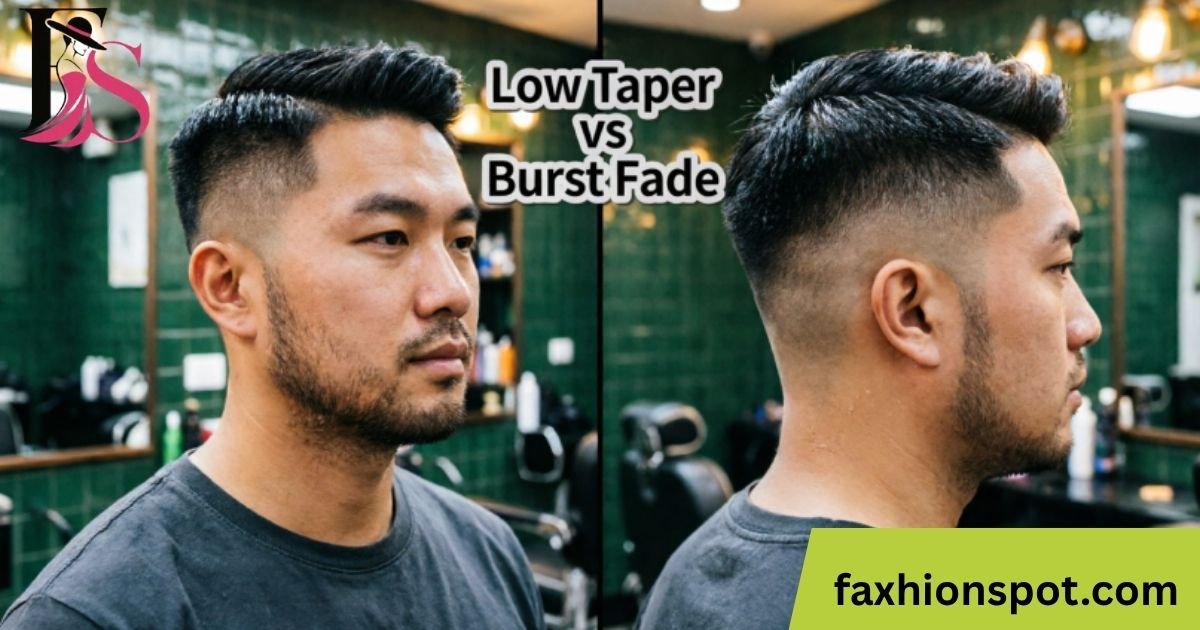
Choosing the right fade can completely change the way your haircut frames your face. Two popular options are the Low Taper vs Burst Fade, and while they may look similar at first glance, they create noticeably different shapes.
A low taper keeps the sides and neckline clean while preserving more natural weight around the head. A burst fade creates a curved, semicircular fade around the ear, giving the haircut more definition and personality.
The right choice depends on your hair texture, face shape, workplace or school environment, maintenance routine, and the amount of contrast you want. This guide explains the differences so you can choose a haircut that fits your everyday style.
What Is a Low Taper Fade?
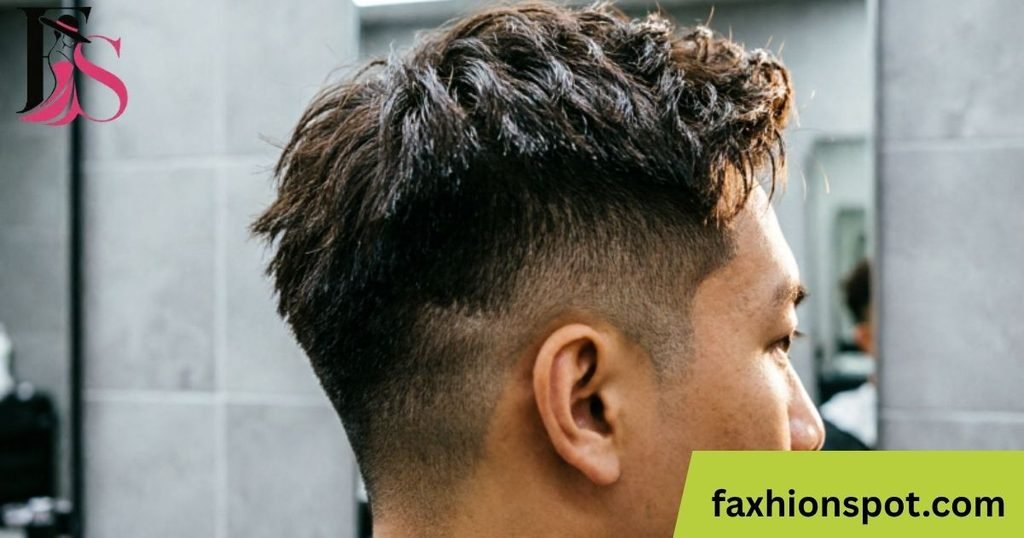
A low taper fade gradually shortens the hair around the sideburns and neckline while leaving most of the sides relatively full. The transition stays low instead of climbing high toward the temples.
The result is subtle, clean, and versatile. You can combine it with a textured crop, middle part, curls, waves, fringe, quiff, or longer top.
One major advantage is its understated appearance. From the front, the haircut can look almost natural, while the side and back reveal the clean taper.
A low taper can also be finished with different lengths, from a soft shadow to a very short clipper finish. The word “taper” describes the gradual transition, not one specific guard length.
What Is a Burst Fade?

A burst fade is defined by the shape of the fade around the ear. Instead of moving in a relatively straight path, the fade curves around the ear in a semicircle or burst pattern.
The shortest area is typically concentrated behind or around the ear, while the surrounding hair gradually becomes longer. This creates a rounded side profile.
The burst fade works especially well with textured hairstyles because the curved transition can connect naturally with curls, waves, crops, mohawks, and mullets.
Unlike a traditional fade that can remove more of the side panel, the burst pattern focuses the visual contrast around the ear.
Low Taper vs Burst Fade – Main Differences
The easiest way to understand the Low Taper vs Burst Fade difference is to look at where the fade is concentrated.
| Feature | Low Taper | Burst Fade |
| Main area | Sideburns and neckline | Around the ear |
| Shape | Gradual and subtle | Curved or semicircular |
| Side fullness | Usually preserved | More shaped around ear |
| Overall appearance | Clean and understated | Defined and noticeable |
| Styling flexibility | Very high | Very high |
| Best feature | Natural finish | Distinctive shape |
| Grow-out | Generally subtle | Curve can become noticeable as it grows |
| Maintenance | Moderate | Moderate to frequent |
| Popular combinations | Crop, curls, waves, fringe | Curls, mohawk, mullet, textured tops |
The key distinction is placement and shape, not simply how short the hair becomes. Either style can be cut with a soft, short, or skin-level finish.
If you want the haircut to change your overall silhouette less, the low taper provides a restrained approach. If you want the area around your ears to become a noticeable design feature, the burst fade creates more visual definition.
Which Haircut Looks More Professional?
For many traditional workplaces, the low taper offers a more conservative appearance because it preserves more natural side length and does not create a pronounced curved design around the ear.
That does not mean a burst fade cannot look professional. A low burst with a controlled top, clean neckline, and moderate contrast can still be appropriate for many workplaces.
The biggest factor is how dramatic the fade is. A subtle burst can look polished, while an extremely high or skin-tight version creates a stronger fashion statement.
For offices with conservative grooming expectations, consider:
- Keeping the fade low
- Avoiding extreme designs
- Maintaining a neat neckline
- Keeping the top controlled
- Showing your barber a professional reference photo
Which One Is Easier to Maintain?
Maintenance is another important difference when comparing the Low Taper vs Burst Fade.
A low taper usually grows out quietly because the shortest work is concentrated around the sideburns and neckline. This makes small amounts of regrowth less obvious.
A burst fade can require more attention because the curved shape around the ear becomes part of the haircut’s visual identity. Current barber guides commonly suggest touch-ups around every two to four weeks, depending on how sharp you want the fade to remain.
Your hair growth rate, fade length, and personal preference all matter.
Maintenance comparison
Low taper:
- Easier grow-out
- Less obvious regrowth
- Simple neckline cleanup
- Good for longer gaps between appointments
Burst fade:
- Curved section needs definition
- Regrowth can show around the ear
- Benefits from regular shape-ups
- Looks best when the arc stays clean
If convenience is your priority, the low taper is generally easier to live with between appointments.
Best Hair Types for Low Taper vs Burst Fade
Hair texture plays a major role in how the Low Taper vs Burst Fade looks after leaving the barbershop.
Neither style is restricted to one hair type. However, the shape of your natural hair can affect which design blends most naturally with your top.
Straight Hair
Straight hair gives you a clean canvas for either haircut.
A low taper works well with:
- Side parts
- Textured crops
- Middle parts
- Quiffs
- Short back-and-sides styles
A burst fade can add shape to straight hair, particularly when combined with texture on top. A textured crop or modern mullet can make the curved area more visible.
Curly Hair
Curly hair is particularly compatible with a burst fade because the curved transition can complement the natural movement of curls. Current style guides frequently highlight curly and textured hair as strong combinations for burst designs.
A low taper is also excellent for curls because it cleans the edges without removing too much volume.
Choose a low taper if you want the curls to remain the main feature. Choose a burst fade if you want the area around the ear to become part of the style.
Thick Hair
Thick hair benefits from controlled removal of bulk.
A low taper can clean the edges while preserving fullness on top and through the sides. A burst fade can create additional separation around the ears without necessarily taking the entire side extremely short.
For very dense hair, tell your barber how much weight you want preserved.
Thin Hair
With thin hair, the top should usually be shaped to work with your natural density rather than trying to make the fade compensate for sparse areas.
A low taper can preserve more side weight, which may create a softer appearance.
A burst fade can also work, but excessive contrast may make thinner areas appear more noticeable. The top should be styled with realistic texture and volume.
Wavy Hair
Wavy hair is highly versatile.
A low taper creates a clean frame while allowing the waves to remain visible. A burst fade adds more shape around the ear and can work especially well with medium-length textured tops.
Both can work with wavy hair, so the decision comes down mainly to the amount of visual contrast you want.
Best Face Shapes for Each Haircut
Face shape should influence the height, top length, and amount of side volume rather than determine one rigid haircut choice.
Current hairstyle guides commonly recommend adjusting fade placement and top volume according to proportions. For example, face-shape recommendations often use additional height for rounder faces and preserve side fullness for longer face shapes.
Low Taper Works Best For:
A low taper is particularly adaptable because it does not aggressively remove the side profile.
It can work well for:
- Oval faces
- Square faces
- Round faces
- Oblong faces
- Heart-shaped faces
For a round face, keeping some height on top can create a more elongated visual profile.
For an oblong face, avoid excessive height and preserve enough side fullness to maintain balance.
Burst Fade Works Best For:
A burst fade can also suit many face shapes, but the placement of the curve and the top length matter.
It can work especially well with:
- Oval faces
- Square faces
- Round faces
- Heart-shaped faces
For round faces, some height and texture on top can add vertical structure.
For longer faces, keeping the burst relatively low and retaining some side fullness can prevent the haircut from appearing overly narrow.
Low Taper vs Burst Fade With Beard
The Low Taper vs Burst Fade decision does not stop at your hair. Your beard can change the entire balance of the haircut.
A low taper pairs naturally with a beard because the taper around the sideburn can create a smooth transition into facial hair.
A burst fade can also work with a beard, especially when the beard is neatly shaped and the sideburn transition is intentional.
For a balanced result, ask your barber to consider:
- Sideburn length
- Beard density
- Cheek-line shape
- Neckline
- Fade height
- Transition between hair and beard
A disconnected beard and haircut can make the style look unfinished, so the transition deserves attention.
Common Mistakes to Avoid
Even a good haircut can look wrong when the cut does not match your lifestyle or natural hair.
Choosing a Fade That Does Not Match Your Lifestyle
If you rarely visit the barber, an extremely sharp burst fade may become difficult to maintain.
Choose a cut that still looks good as it grows.
Ignoring Hair Texture
A haircut that looks excellent on straight hair may behave differently on tight curls or thick waves.
Tell your barber your natural texture and how you normally style your hair.
Not Showing Reference Photos
Haircut terminology can mean slightly different things from one barbershop to another.
A reference image gives your barber a much clearer idea of the fade height, top length, side shape, and finish you want. Current barber guides repeatedly recommend using clear photos and specifying the desired shape.
Waiting Too Long Between Haircuts
A taper can often tolerate a little more growth, while a defined burst curve may lose its crisp shape sooner.
If you want a consistently sharp finish, schedule your appointments before the haircut becomes noticeably overgrown.
How to Ask Your Barber for the Right Cut
Clear communication makes a major difference when requesting the Low Taper vs Burst Fade.
Do not simply say “give me a fade.” Explain the placement, top length, and desired finish.
For a low taper:
Say:
“I want a low taper around the sideburns and neckline. Keep the sides fuller and leave the top at this length.”
Then specify whether you want a shadow, clipper, or skin finish.
For a burst fade:
Say:
“I want a low burst fade that curves around the ear. Keep the burst low, preserve the length on top, and leave the back at this length.”
If you want a mullet, mohawk, curls, fringe, or textured top, mention that as well.
Always take:
- A front reference photo
- A side reference photo
- A back reference photo when possible
- Your preferred top length
- Your preferred fade intensity
The clearer the reference, the less room there is for misunderstanding.
Click Here To Read Another Topic
Which One Should You Pick?
The best way to choose between the Low Taper vs Burst Fade is to start with your desired appearance rather than simply following a trend.
Choose a low taper if you want:
- A subtle finish
- More natural side fullness
- Easy grow-out
- A professional appearance
- A versatile everyday haircut
Choose a burst fade if you want:
- A visible curved shape
- More contrast around the ear
- A modern appearance
- A strong match with curls or textured hair
- A haircut that works with styles such as mullets or mohawks
Your hair texture and lifestyle should be part of the decision. A barber can also adjust the fade height, top length, and finish to make either option better suited to your proportions.
Conclusion
The Low Taper vs Burst Fade comparison comes down to shape, placement, maintenance, and personal style. A low taper keeps things understated by concentrating the transition around the sideburns and neckline. A burst fade creates a more distinctive semicircular shape around the ear.
Both styles can work with straight, curly, thick, thin, and wavy hair. The right version depends on how your natural texture behaves, how often you visit the barber, and how noticeable you want the fade to be.
Before your next appointment, save clear reference photos and tell your barber exactly how much length you want to keep. That simple step can make the difference between getting a haircut you like and getting one that does not match what you pictured.
Frequently Asked Questions
Is burst fade better than low taper?
Neither is universally better; a low taper is more understated, while a burst fade creates a more noticeable curved shape around the ear.
Does a low taper last longer?
A low taper often grows out more subtly because less of the side profile is altered, making regrowth less noticeable.
Which fade is best for curly hair?
Both work, but burst fades are particularly popular with curly and textured hair because the curved shape complements natural volume.
Is burst fade good for school or work?
A low burst with moderate contrast can work in many school or workplace settings, but dress-code and grooming expectations vary.
Can both styles work with beards?
Yes. Both can be connected to a beard through the sideburn area, with the barber adjusting the transition to match your beard density and shape.
2 thoughts on “Low Taper vs Burst Fade: Which Haircut Looks Better on You?”