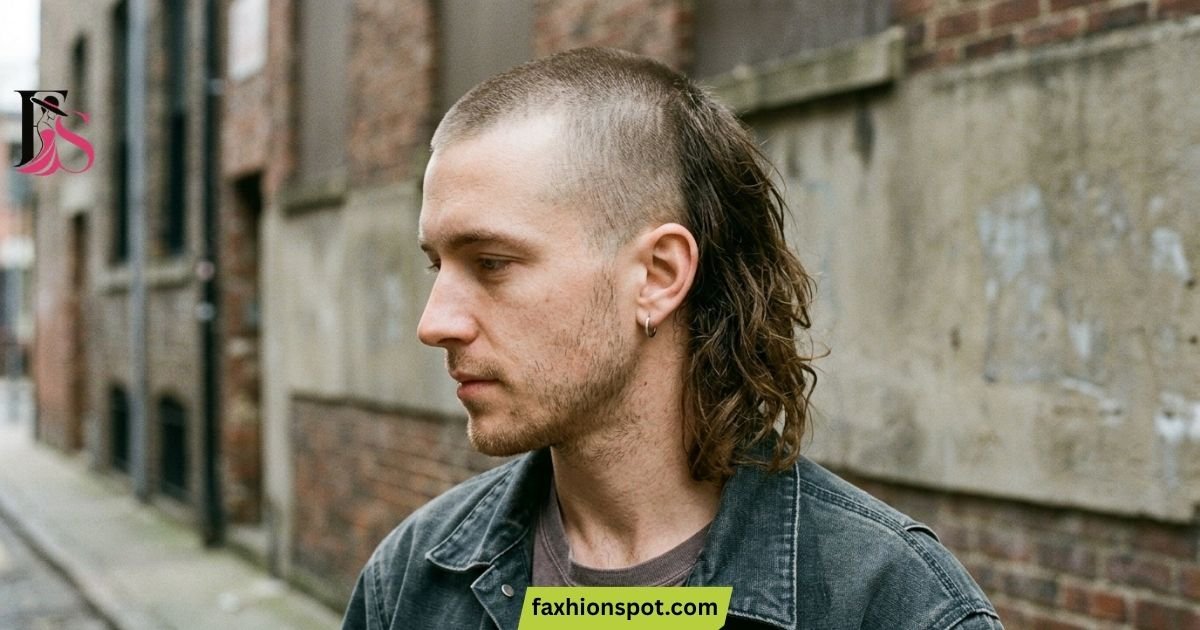
The buzz mullet haircut combines the clean simplicity of a buzz cut with the distinctive longer back of a modern mullet.
It keeps the top and sides short while preserving extra length at the nape to create contrast, shape, and personality. The result can look subtle and polished or bold and edgy, depending on the fade, guard length, and back section.
The Real Reason This Haircut Stands Out
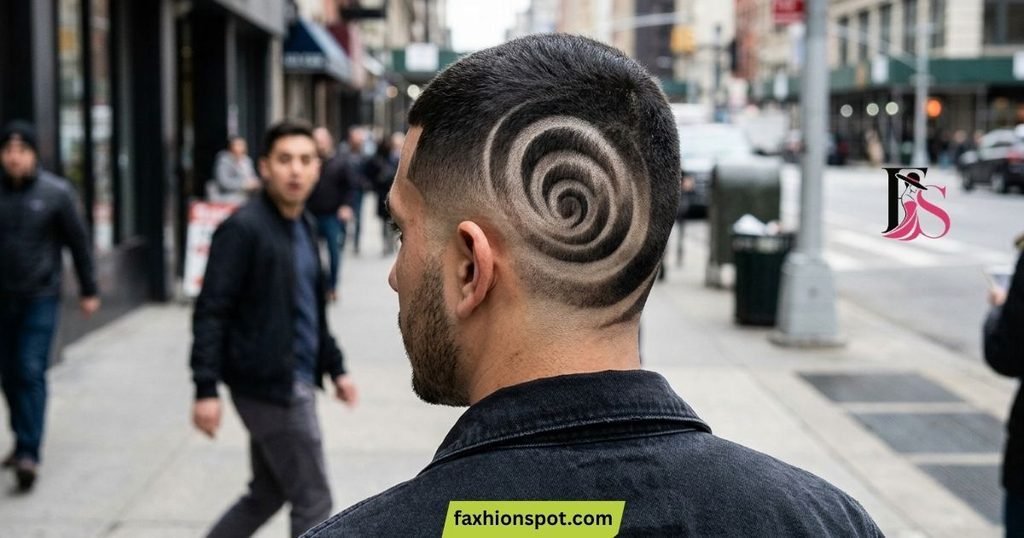
The biggest appeal of this haircut is its contrast. A traditional buzz cut creates a simple, uniform appearance, while a classic mullet keeps more length toward the back. Combining them produces a distinctive silhouette without requiring long hair across the entire head.
Here is why this style appeals to different people:
- Easy daily styling: The short top usually needs little or no styling product.
- Personalized appearance: Fade height, neckline shape, and back length can dramatically change the result.
- Versatile texture: Straight, wavy, curly, and coily hair can all be shaped into suitable variations.
- Distinctive profile: The longer nape adds character when viewed from the side or back.
- Flexible finish: You can choose a neat, professional-looking version or a more expressive street-style cut.
The difference between a great result and an awkward one often comes down to proportions. If the back is too short, the mullet shape may disappear. If it is too long without suitable blending, the haircut can look disconnected unintentionally.
A barber should consider your head shape, natural hairline, hair density, and preferred level of contrast before choosing the final design.
31 Buzz Mullet Haircut Styles That Actually Feel New
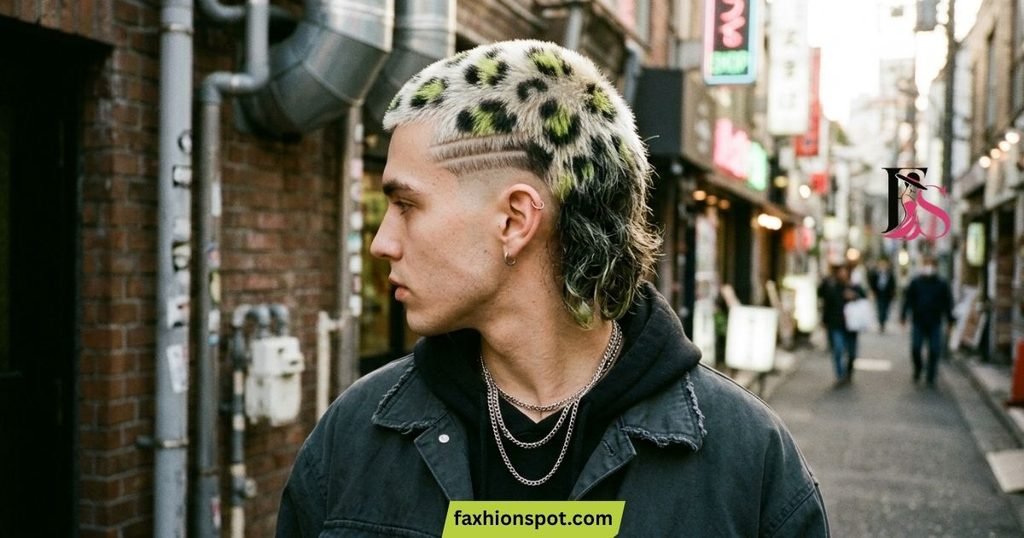
These 31 variations offer different ways to wear the style, from understated everyday cuts to more dramatic fades and creative finishes. Use the descriptions to decide what you want your barber to emphasize.
1. Shadow Fade Buzz Mullet
A shadow fade creates a soft transition from the short sides toward the skin without making the fade look overly harsh. The longer back preserves the mullet silhouette, while the blended sides keep the overall appearance balanced.
This is a strong starting point if you want a contemporary haircut that looks clean without excessive contrast. Ask your barber to keep the fade subtle and leave enough weight at the back.
2. Micro Buzz Mullet
The micro version keeps the top extremely short and the back only slightly longer. Its appeal comes from a small but deliberate difference in length rather than a dramatic tail.
It works particularly well for people who like minimal grooming and want to experiment with a mullet shape without committing to a long back section. A short guard length and carefully shaped neckline help maintain its compact appearance.
3. Airy Texture Buzz Mullet
This variation introduces light texture around the crown and upper section, making the haircut feel less uniform. The back remains longer, but soft layers prevent it from looking too heavy.
It is a good choice if you prefer a relaxed finish instead of a rigid clipper-cut appearance. A small amount of matte styling paste can highlight the texture without weighing the hair down.
4. Sharp Contrast Buzz Mullet
The sharp-contrast version emphasizes the difference between closely clipped sides and the longer back. A high fade or deliberate disconnection makes the shape especially noticeable.
Choose this option if you want a statement haircut that stands out from every angle. Because the transition is more visible, ask your barber to establish the back length before finalizing the fade.
5. Clean Edge Buzz Mullet
Clean edges give this style a precise, freshly groomed finish. The top stays short, the sides remain tidy, and the nape is outlined to preserve the mullet shape.
The defining feature is the detail around the temples, forehead, and neckline. This option suits people who prefer structured grooming, although the edges may need regular touch-ups to remain crisp.
6. Flow Back Buzz Mullet
The flow-back variation directs the slightly longer crown toward the rear, creating a natural connection between the top and the nape. It looks softer than a completely uniform buzz.
This approach works best when the upper section has enough length to show direction. Straight and wavy hair can both suit it, depending on the natural growth pattern and the amount of texture left by the barber.
7. Dust Fade Buzz Mullet
A dust fade is a useful descriptive name for a soft, understated fade that leaves a light shadow of hair around the sides. It avoids the exposed appearance of a high skin fade.
Pair it with a modest back section for an understated result. When visiting your barber, explain that you want a soft, low-contrast fade rather than relying on the informal style name alone.
8. Volume Lift Buzz Mullet
The volume-lift version leaves extra length around the crown so the hair can stand slightly upward. The sides stay clipped short, creating a stronger shape through the upper head.
It can be especially useful for people who want more visual height. A lightweight styling cream or matte clay can add lift, but the cut must retain enough top length to make the effect possible.
9. Natural Fall Buzz Mullet
This version follows the hair’s natural growth direction rather than forcing it into a rigid shape. The sides are neat, the top remains short, and the back blends naturally into the neckline.
It is ideal for someone who values an effortless appearance. Ask your barber to respect your cowlicks and natural hairline so the cut continues to look balanced as it grows.
10. Precision Cut Buzz Mullet
Precision cutting focuses on consistent guard lengths, carefully blended sides, and a well-proportioned nape. Rather than relying on dramatic styling, this version looks impressive because the details are controlled.
It is a good option for anyone who appreciates a polished barbershop finish. Bring a reference photo and discuss the exact back length before the first clipper pass.
11. Soft Disconnect Buzz Mullet
A soft disconnect leaves a visible difference between the short sides and longer upper or rear sections without creating an abrupt, severe line.
The result sits between a blended modern mullet and a bold disconnected style. It suits people who want more definition than a standard taper but prefer a softer outline than a dramatic undercut.
12. Razor Blend Buzz Mullet
This variation uses careful razor or close-clipper detailing to produce a smooth transition around the sides. The longer back remains the main feature.
The final result depends on the barber’s technique and your skin’s tolerance for close shaving. If you are prone to irritation or ingrown hairs, discuss a slightly higher guard instead of insisting on a completely bare finish.
13. Urban Edge Buzz Mullet
The urban-edge version combines a defined outline with a stronger fade and a noticeable back section. It pairs naturally with streetwear, oversized shirts, casual jackets, and sporty outfits.
Keep the proportions intentional: a short top, clean sides, and a back length that complements your head shape. A carefully shaped temple line can add definition without requiring extra length on top.
14. Hybrid Fade Buzz Mullet
A hybrid fade combines elements of different fading techniques, such as a tight temple taper and a more blended transition along the sides. The goal is a tailored shape rather than a single uniform fade.
This option is useful if you want a personalized finish. Tell your barber where you want the shortest point, how much hair should remain behind the ears, and how prominently the back should extend.
15. Matte Finish Buzz Mullet
The matte version focuses on a natural, non-shiny finish. The short top may include subtle texture, while the longer nape retains a little movement.
A matte paste can help define individual strands without creating a wet or greasy appearance. Use a small amount, warm it between your palms, and apply it only where the hair needs extra definition.
16. Fresh Crop Buzz Mullet
This variation combines the compact shape of a cropped hairstyle with a mullet-inspired back. The top is kept close, while the fringe or crown receives just enough texture to avoid looking completely flat.
It works well for everyday wear because it does not depend on elaborate styling. Ask for a short crop on top and a clearly preserved nape instead of a uniform buzz all over.
17. Chill Vibe Buzz Mullet
The chill version keeps the fade soft and the back relaxed. It avoids overly sharp edges and dramatic separation, giving the haircut an easygoing appearance.
This is a practical choice for students, busy professionals, or anyone who prefers a style that looks good without constant attention. A natural finish is usually enough; heavy styling products are unnecessary.
18. Sleek Line Buzz Mullet
The sleek-line variation emphasizes clean geometry. A carefully shaped hairline and smooth sides create structure, while the back adds a distinctive point of difference.
It is especially appealing if you like precise, symmetrical grooming. Ask your barber to preserve your natural hairline where possible and avoid pushing the front edge too far back simply to create a sharper line.
19. Light Fringe Buzz Mullet
A light fringe adds a small amount of hair across the forehead, softening the appearance of a short top. The sides remain clipped and the back maintains the recognizable mullet shape.
This variation works best when there is enough front length to create a visible fringe. If you have a strong cowlick or very short hair, ask your barber whether a textured front would work better than a straight fringe.
20. Deep Fade Buzz Mullet
A deep fade removes more length from the sides, creating a striking contrast with the upper section and nape. It gives the cut a more dramatic, high-definition appearance.
Choose this option if you want the mullet silhouette to stand out clearly. Keep in mind that a high or skin-level fade can expose more of your scalp and generally needs more frequent maintenance.
21. Balanced Shape Buzz Mullet
The balanced version is all about proportion. The top is short, the sides are neither excessively exposed nor too full, and the back is long enough to create a clear mullet shape.
It is an excellent starting point if you are uncertain which variation to choose. A moderate fade and restrained nape length make it easier to adjust the style at your next appointment.
22. Edgy Tail Buzz Mullet
The edgy-tail variation makes the back the focal point. The upper hair remains short, while a more noticeable section extends toward the neckline.
You can keep the tail narrow and controlled or allow it to spread slightly across the nape. Explain how much length you want left at the back, because even a small change can alter the entire silhouette.
23. Smooth Finish Buzz Mullet
This version prioritizes a smooth blend and a neat overall finish. There is enough length in the back to preserve the mullet identity, but no section looks unnecessarily bulky.
It is suitable for people who prefer clean grooming over extreme texture. Regular neckline cleanup and a consistent clipper length help the cut retain its shape.
24. Air Fade Buzz Mullet
The air-fade variation uses a light, blended transition to make the sides appear softer and less dense. The top and back remain distinct, but the overall haircut feels less rigid.
It is a good option if you want a modern finish without a harsh skin fade. Ask your barber to keep the transition airy and preserve enough density near the back to maintain the silhouette.
25. Cool Tone Buzz Mullet
The cool-tone version adds a color element, such as an ash-brown, cool dark-blond, or subtle silver-toned finish, to a short mullet shape. The cut itself remains simple, allowing the color to provide extra personality.
Color treatment is optional, and the best shade depends on your natural hair color, skin tone, and maintenance preferences. Consult a colorist before attempting a major lightening treatment.
26. Dense Top Buzz Mullet
This variation preserves more density across the crown while keeping the sides closely clipped. The fuller upper section creates a stronger connection between the top and back.
It can work especially well for thick hair, which often has enough natural density to support the shape. Your barber can use careful texturizing to remove excess bulk without making the top appear thin or uneven.
27. Minimal Fade Buzz Mullet
A minimal fade keeps the sides relatively full and concentrates the taper around the sideburns and neckline. It produces a more understated result than a high fade.
Choose this variation if you want to retain a natural appearance and avoid exposing too much scalp. It can also be a useful option if you prefer a softer transition while growing the back longer.
28. Street Classic Buzz Mullet
The street-classic version blends a traditional short cut with a noticeable mullet back. It is straightforward, recognizable, and easy to pair with everyday clothing.
A low fade, short crown, and moderately extended nape create a reliable combination. You can add a clean lineup for a sharper look or keep the edges natural for a more relaxed finish.
29. Refined Edge Buzz Mullet
The refined-edge variation is designed to look deliberate without becoming overly aggressive. The sides are smoothly blended, the edges are controlled, and the back follows a tidy shape.
It is a good option if you want something distinctive that still feels appropriate in a range of everyday settings. The secret is keeping the tail proportionate and avoiding unnecessary bulk around the ears.
30. Casual Flow Buzz Mullet
Casual flow introduces natural movement into the upper and rear sections. Instead of emphasizing strict lines, the barber leaves enough length to follow the hair’s natural direction.
This variation is especially appealing for wavy hair, although straight hair can also work with suitable layering. Use a light styling cream if needed, but let the natural texture remain the main feature.
31. Signature Style Buzz Mullet
The signature variation combines the elements you like most, such as a soft fade, a clean lineup, a textured crown, or a more prominent tail. It is less about following a fixed template and more about building a haircut around your preferences.
Bring two or three reference photos to your appointment and identify the details you want to keep from each. Your barber can combine those features into a design that works with your hairline, texture, and head shape.
How to Make Your Buzz Mullet Look Instantly Better
A good cut provides the foundation, but a few simple choices can make it look more intentional. The goal is to maintain the contrast without letting the back become untidy or the sides lose their shape.
Choose the Right Clipper Guard
Guard numbers help communicate how short you want the top to be. Actual results can vary with the clipper brand, hair density, and cutting technique.
| Guard | Approximate length | Overall effect |
| 1 | 3 mm | Very short, scalp-visible finish |
| 2 | 6 mm | Clean, compact buzz |
| 3 | 10 mm | Slightly fuller appearance |
| 4 | 13 mm | More coverage and subtle texture |
These are approximate lengths. A guard does not determine the length of the back, which should be discussed separately with your barber.
Match the Fade to Your Preferred Look
- Low fade: Keeps more hair on the sides and creates a softer transition.
- Mid fade: Provides a noticeable balance between contrast and coverage.
- High fade: Creates a stronger visual separation and exposes more of the sides.
- Taper fade: Cleans up the temples and neckline while preserving more overall fullness.
- Skin fade: Takes the shortest section close to the skin for a bold finish.
Keep the Back in Proportion
The nape is what makes this haircut different from a standard buzz cut. Ask your barber to leave enough length for the mullet shape to remain visible, but avoid letting the tail grow without a clear outline.
A modest extension is usually easier to wear than an excessively long back if you are trying the style for the first time.
Use Products Sparingly
Most short versions need very little styling. If you want more definition, consider:
- Matte clay for a textured or lifted crown.
- Lightweight styling cream for natural movement.
- Sea salt spray for a slightly tousled finish, particularly on suitable wavy hair.
- A gentle shampoo and conditioner suited to your scalp and hair type.
Avoid applying heavy products simply to make the haircut look styled. The short length and shape should do most of the work.
Maintain the Shape Between Appointments
The fade and outline usually show regrowth before the back needs significant trimming. Many people find that a cleanup every two to four weeks works well, although the ideal schedule depends on how fast their hair grows and how crisp they want the cut to look.
Keep the nape tidy, avoid trimming the back too aggressively at home, and ask your barber how the shape should evolve if you plan to grow it longer.
Click Here To Read Another Topic
Tell Your Barber Exactly What You Want
You can use this simple description:
“I want a short buzzed top with a clean, blended fade on the sides and a longer back that clearly keeps the mullet shape. Please keep the proportions natural and show me the back length before trimming it too short.”
Bring a reference photo showing the front, side, and back. If you prefer a specific fade height or guard number, mention it before the cut begins.
FAQs: Buzz Mullet Haircut
Is the buzz mullet haircut good for daily wear?
Yes. Its short top and sides make daily grooming simple, while the longer back adds personality without requiring extensive styling.
Can I customize my buzz mullet style?
Absolutely. You can adjust the fade height, clipper guard, back length, fringe, texture, and neckline to suit your preferences.
Does it require styling products?
No. Most versions look good without products, although a little matte clay or lightweight cream can enhance texture and movement.
Is this haircut suitable for modern trends?
Yes. Its combination of short, clean sides and a longer back fits modern grooming trends and can be customized from subtle to bold.
How do I maintain the shape?
Refresh the sides and neckline every two to four weeks if needed, and trim the back selectively to preserve its shape and length.
Conclusion
The buzz mullet haircut offers a practical way to combine the simplicity of short hair with the individuality of a modern mullet.
Its biggest advantage is versatility: you can choose a subtle taper, a dramatic skin fade, a textured crown, or a longer tail without losing the defining shape.
2 thoughts on “Buzz Mullet Haircut: 31 Fresh Styles, Fade Ideas and Barber Tips”