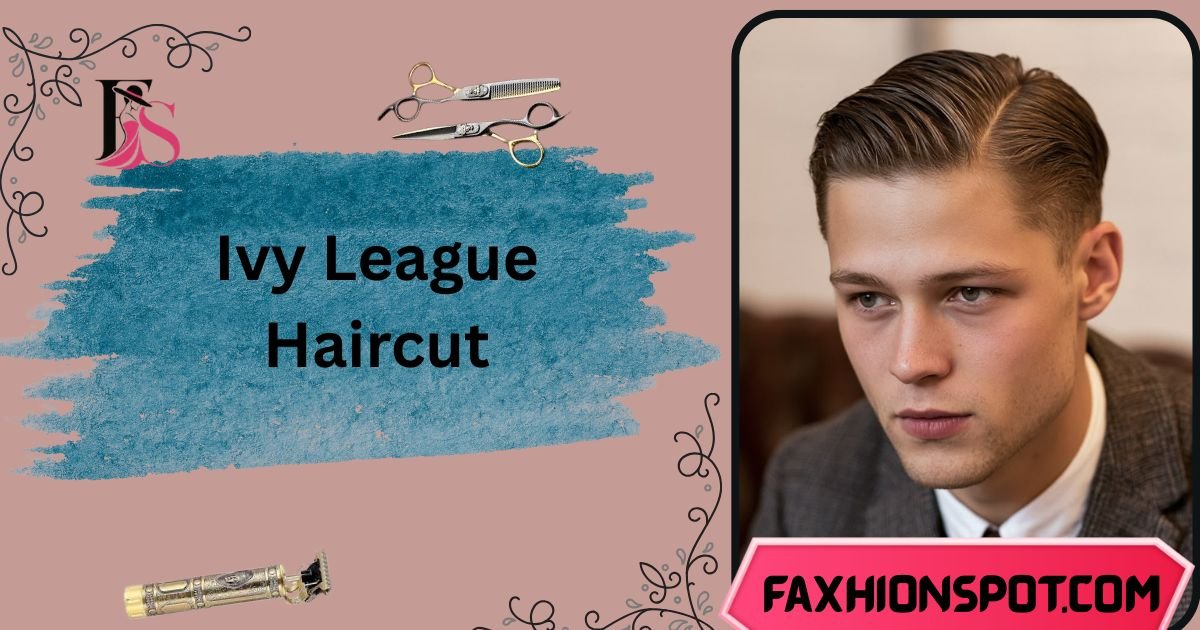
Walking into a barbershop without the right words can turn a simple appointment into a guessing game. If you want a clean, preppy, low-maintenance look, the Ivy League haircut is one of the smartest requests you can make — but only if you know how to describe it.
This guide breaks down the exact terms, guard numbers, and reference points that help your barber understand your vision instantly, so you leave the chair with the cut you actually pictured, not an awkward apology and a re-do appointment.
Below, you’ll find everything from the history of the Ivy League haircut to 23 modern variations, plus a simple communication script you can literally read off your phone in the chair.
Classy Ivy League Hairstyle Trends
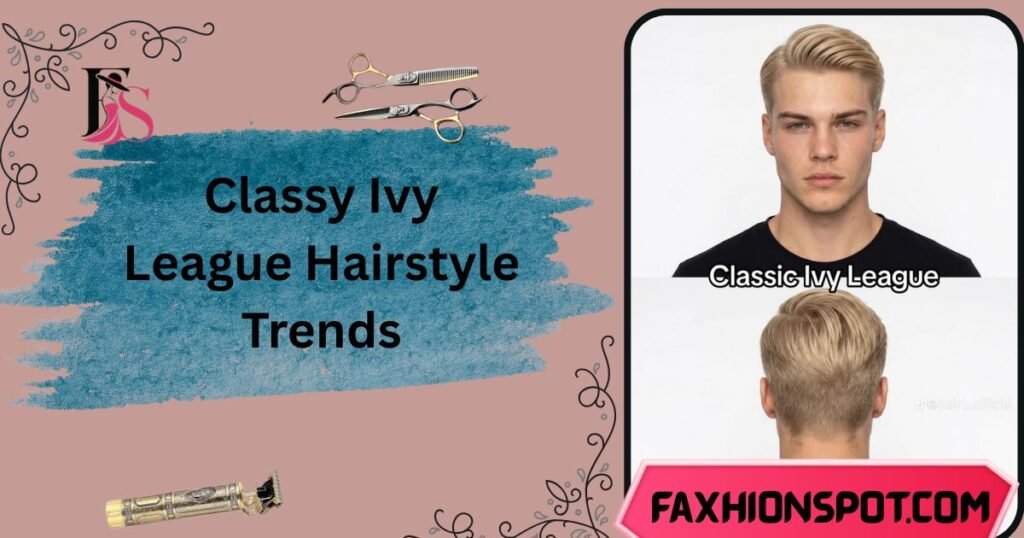
The Ivy League haircut has aged like a good blazer — it never really goes out of style, it just gets remixed. Barbers today blend the traditional short-on-top, tapered-sides formula with fades, texture, and curl patterns to suit every hair type.
Here are 23 trending takes on the classic Ivy League haircut you can bring straight to your next barbershop appointment.
Modern Ivy League Haircut
This version of the Ivy League haircut keeps the traditional taper but adds a slightly longer top for extra styling flexibility. It works with most face shapes and pairs well with a light matte paste for a natural, undone finish.
Curly Ivy League
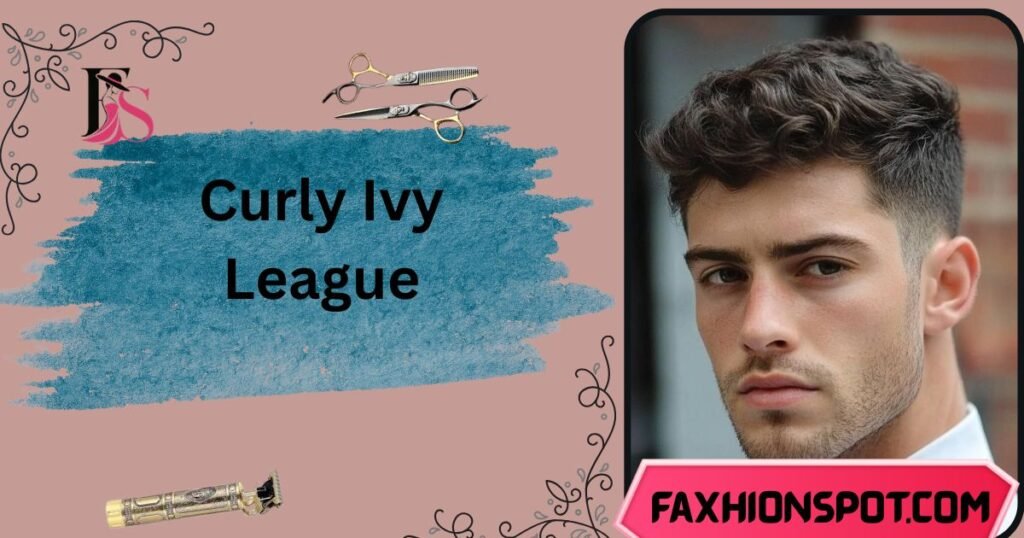
Curly hair adds natural volume and texture without extra product. Ask your barber to keep the curls intact on top while tapering the sides so the shape stays controlled instead of bulky.
Textured Ivy League with Taper Fade
A textured top gives movement and a “just got out of bed” appeal, while the taper fade on the sides keeps everything sharp. It’s a favorite among men who want low effort with high style.
Classic Ivy League Haircut
This is the original Ivy League haircut: short crown, slightly longer front, and a defined side part. It’s the benchmark every barber references when discussing this cut.
Ivy League Fade
Swap the traditional taper for a fade and you get a bolder, more contemporary contrast between the top and sides. It’s a great option if you want the Ivy League silhouette with a modern edge.
Brushed Up Ivy League
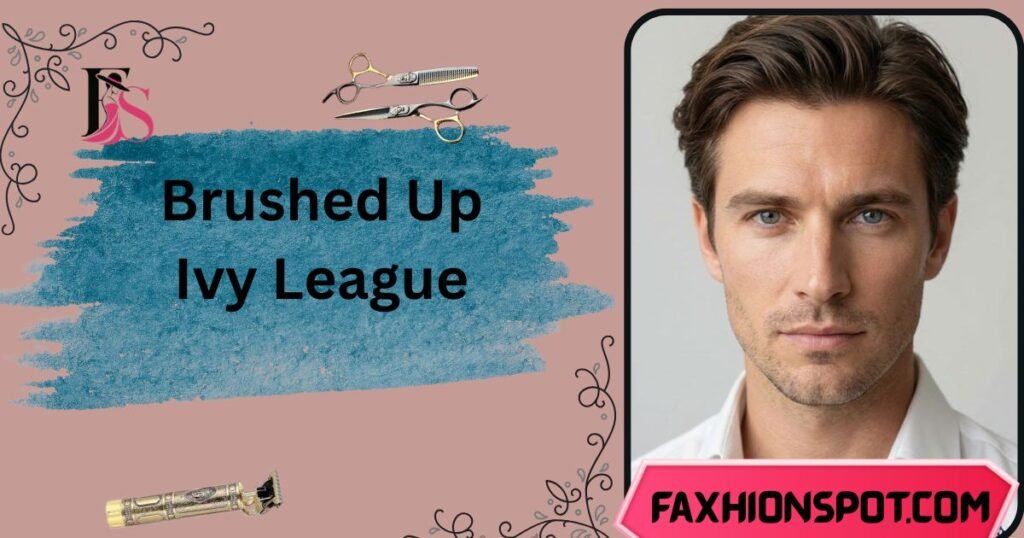
Instead of a side part, the top is brushed straight up for added height and a confident, structured look. A strong-hold pomade keeps this style locked in place all day.
Side Swept Ivy League with Low Taper Fade
The hair on top is swept gently to one side, while a low taper fade keeps the sides subtle rather than dramatic. It’s ideal for office settings and formal events alike.
Messy Ivy League
Texture is the star here. Ask your barber to point-cut the top so it looks effortlessly tousled, then finish with a light clay for a natural, matte hold.
Professional Ivy League with Tapered Sides
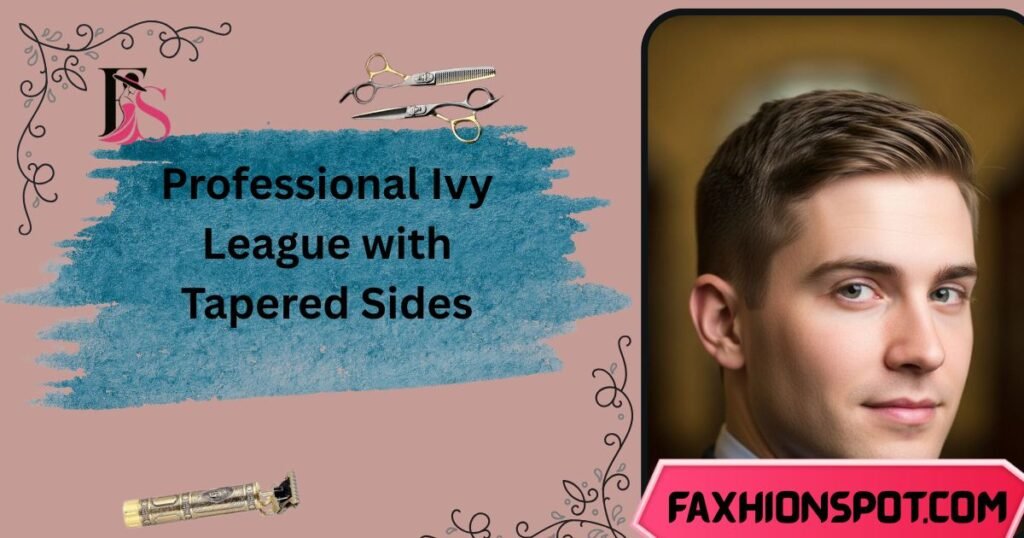
Clean, tight, and boardroom-ready. This variation keeps the taper conservative and the top neatly combed, making it a go-to for corporate environments.
Low-Maintenance Ivy League
Perfect for men who don’t want a daily styling routine. A shorter top and simple taper mean you can run your hands through it and walk out the door looking sharp.
Textured Ivy League Taper Fade with Stubble Beard
Pairing this haircut with light stubble creates a rugged-meets-refined combination. The textured top and taper fade balance out the beard for a cohesive, masculine look.
Hard Side Part
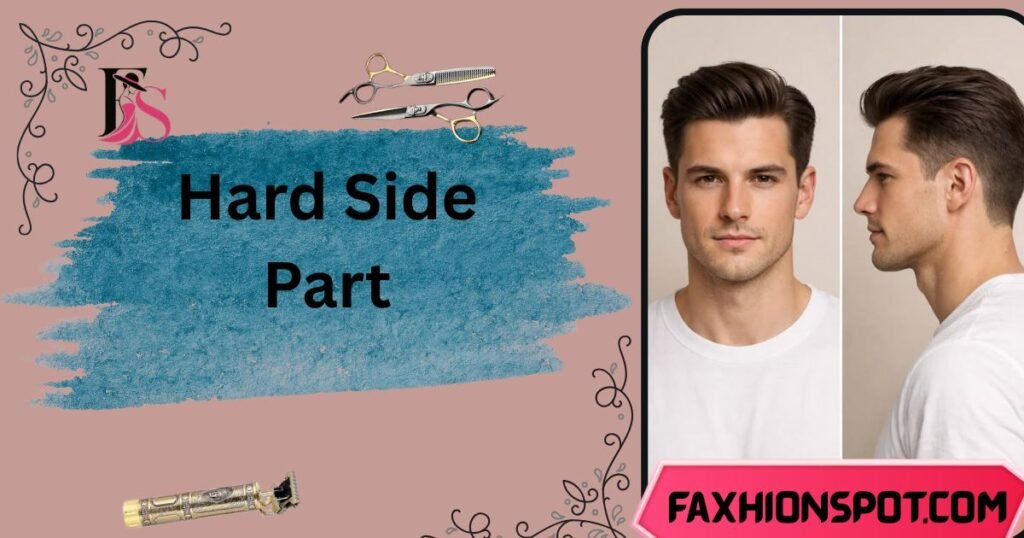
A razor-sharp, defined line separates the top from the sides, giving this variation a crisp, old-school prep-school finish that photographs beautifully.
Preppy Ivy League
True to its roots, this Ivy League haircut leans into the collegiate aesthetic with a neat side part, moderate length on top, and a clean, understated taper.
Ivy League with Low Fade
A low fade keeps the transition subtle and close to the hairline, giving a softer contrast than a mid or high fade while still looking polished.
Medium Length Ivy League
For those who want a bit more length to play with, this version extends the top slightly, allowing for more styling versatility without losing the classic shape.
Fresh Ivy League with Clean Tapered Sides
Straight out of the barber’s chair, this look emphasizes crisp lines and a freshly trimmed taper — ideal for interviews, weddings, or first dates.
Simple Short Ivy League with Texture
A short top with light texturizing scissor work adds subtle dimension without sacrificing the clean, minimal vibe the Ivy League haircut is known for.
Short Ivy League Haircut
The shortest version of the Ivy League haircut, this style keeps everything close and tidy — great for hot climates or a low-fuss daily routine.
Ivy League Crew Cut
Closely related to its crew cut cousin, this variation keeps the top slightly shorter and more uniform, blending both styles into one tidy silhouette.
Clean and Polished Ivy League
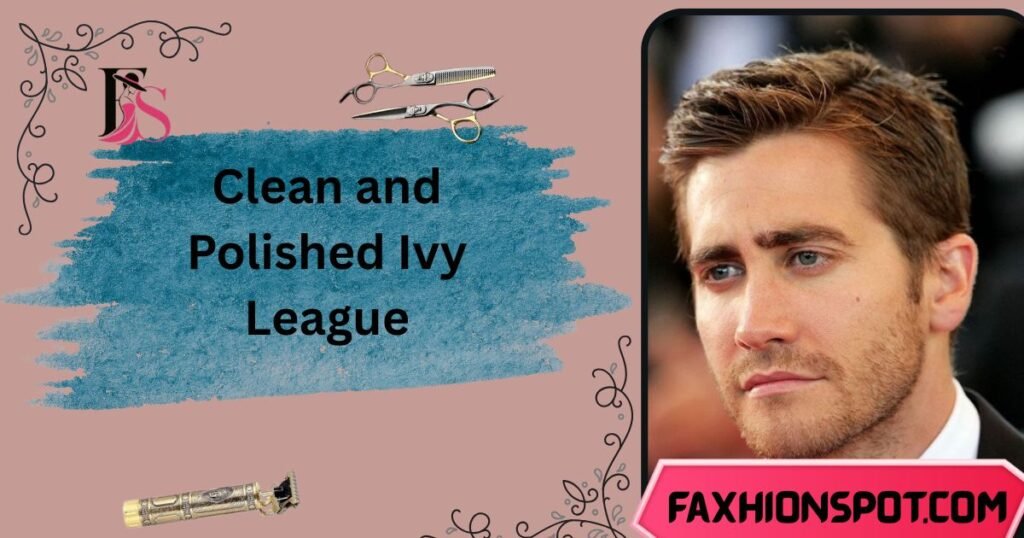
Every line is sharp, every hair in place. This version is built for men who want a barbershop-fresh look that lasts well beyond the appointment.
Wavy Ivy League Style
Natural waves add texture and movement on top, while the sides stay tapered for contrast. A sea salt spray enhances the wave pattern without weighing hair down.
Modern Preppy Ivy League
This is the Ivy League haircut reimagined for 2026: a slightly longer, textured top, a soft taper, and a relaxed side part that feels current without losing its classic roots.
What Is an Ivy League Haircut?
An Ivy League haircut is a type of short crew cut where the hair on top is left long enough to comb or style, typically between 1 to 2 inches, while the sides and back are tapered shorter.
The top is usually longest at the front (up to 1.5 inches) and shortest at the crown (0.5 to 1 inch), creating a gradual taper that blends naturally into the sides. The style originated in American Ivy League universities in the 1950s, hence the name, and became a symbol of clean-cut, academic sophistication.
Unlike a buzz cut or crew cut, the Ivy League haircut allows for a bit of length and personality on top while keeping the sides neat and professional — which is exactly why the Ivy League haircut remains popular decades later.
| Feature | Details |
| Top length | 1 to 2 inches (longer at front, shorter at crown) |
| Side length | Tapered or faded (guard #0 to #2) |
| Styling | Side part, brushed up, or textured finish |
| Best for | Straight, wavy, and curly hair types |
| Maintenance | Low to moderate (trim every 3-4 weeks) |
| Origin | American Ivy League universities, 1950s |
How To Style An Ivy League
Getting a great Ivy League haircut is only half the job — styling it well at home is what makes it last. Here’s a simple routine:
- Start with damp hair. Towel-dry your hair until it’s slightly damp, not soaking wet.
- Apply the right product. Use a light dressing cream for a natural finish or a matte clay for a textured, undone look.
- Blow-dry with direction. Use a comb or brush to guide the hair as you dry it, pushing it toward your desired side part or brushed-up shape.
- Comb or finger-style the top. For a classic look, comb it into a defined side part. For a modern look, use your fingers to create texture.
- Set with a light-hold spray if needed. This keeps the style intact without looking stiff or overly polished.
Tips for Talking to Your Barber
- Bring a photo — visual references remove all guesswork.
- Use guard numbers for the sides (e.g., “#2 on top, taper down to skin”).
- Specify top length in inches or “finger lengths” (e.g., “one and a half fingers”).
- Mention your part preference: defined side part or natural, undone part.
- Ask for a taper if you want a subtle blend, or a fade if you want sharper contrast.
Conclusion
The Ivy League haircut has earned its reputation as one of the most versatile, low-maintenance, and timeless men’s hairstyles around, and asking for an Ivy League haircut correctly is the easiest way to guarantee a great result
Whether you prefer the classic side-parted look, a modern textured fade, or a curly, low-effort finish, there’s a version of this cut for every hair type and lifestyle. The real key to avoiding an awkward barbershop moment is communication: use guard numbers, specify your top length, bring a photo, and describe your preferred part.