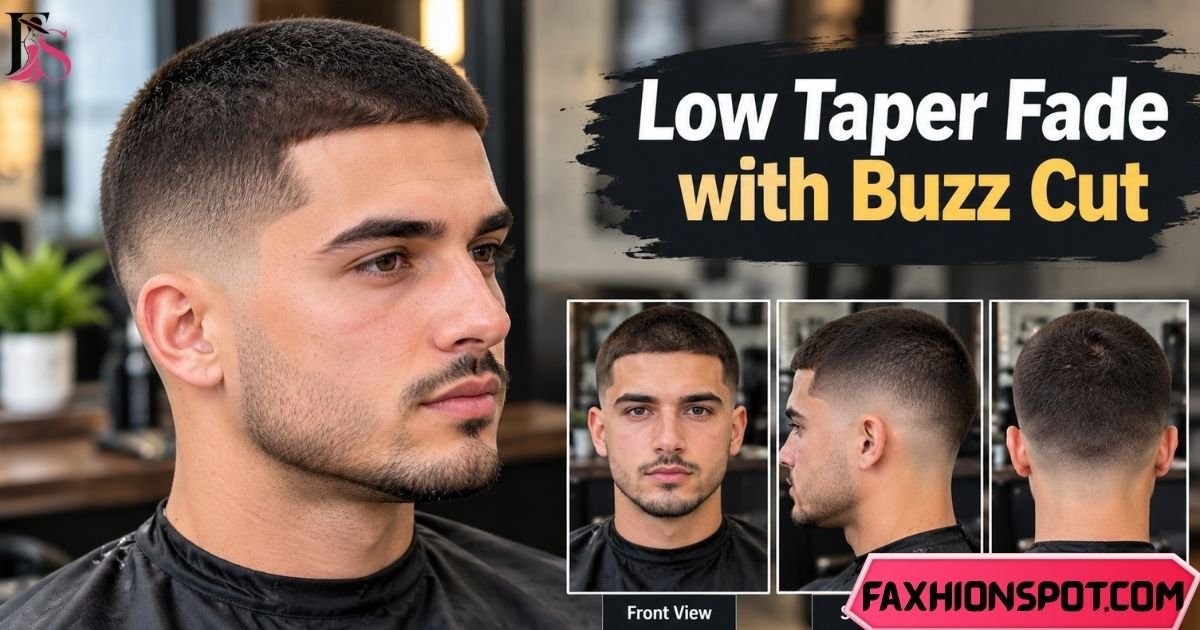
A low taper fade with buzz cut combines the simplicity of a short, even clipper cut with a gradual taper around the ears and neckline.
The result is clean, masculine, easy to maintain, and adaptable to different face shapes and hair textures.
What Is a Low Taper Fade with Buzz Cut?
A low taper fade with buzz cut keeps the top short and generally uniform while gradually shortening the hair around the ears, sideburns, and lower neckline. Unlike a high fade, the taper remains low, so it does not climb far toward the temples or crown.
The top is usually cut with a clipper guard such as. The taper is then blended separately to create a clean transition. This makes the haircut look more refined than a traditional one-length buzz without requiring daily styling.
Key features include:
- Short, even hair on top
- Low taper around the ears
- Clean neckline
- Gradual blending rather than a sudden disconnect
- Minimal styling requirements
- Easy maintenance
- Flexible guard-length options
The exact appearance depends on hair density, texture, head shape, hairline, and the guard selected.
Why This Haircut Is So Popular
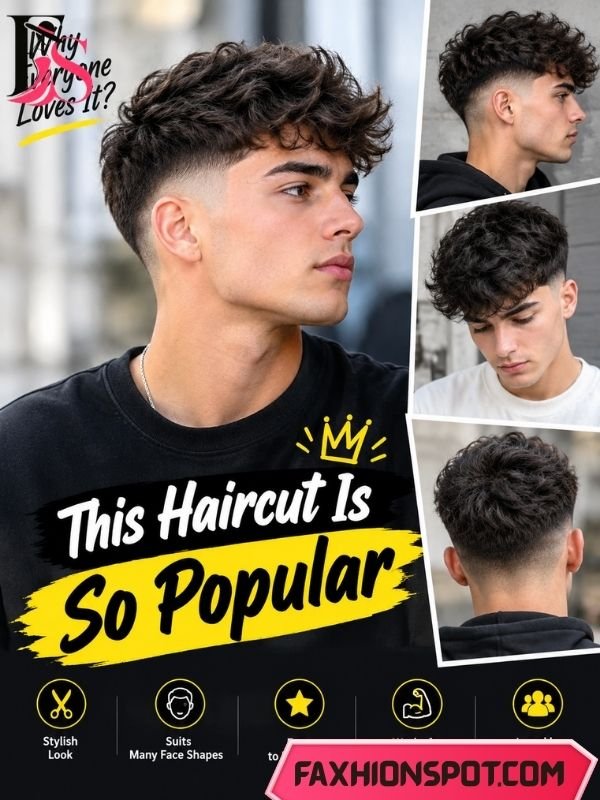
The appeal comes from its balance between simplicity and detail. A regular buzz cut is extremely straightforward, while a low taper adds definition around the perimeter without dramatically changing the overall silhouette.
It is also practical. There is little styling involved, and the short top can work well for school, work, sports, or casual settings.
Another advantage is customization. You can keep the top at #2 for a tighter finish or choose #3 or #4 when you want more coverage.
Common reasons people choose this cut include:
- Low styling effort: Usually no combing or complicated products are needed.
- Clean appearance: The tapered edges make the haircut look freshly shaped.
- Flexible length: Several guard options can change the overall character.
- Easy barber communication: You can specify the exact guard and taper position.
- Good versatility: Straight, thick, curly, and fine hair can all be adapted.
Best Buzz Cut Guard Sizes for a Low Taper
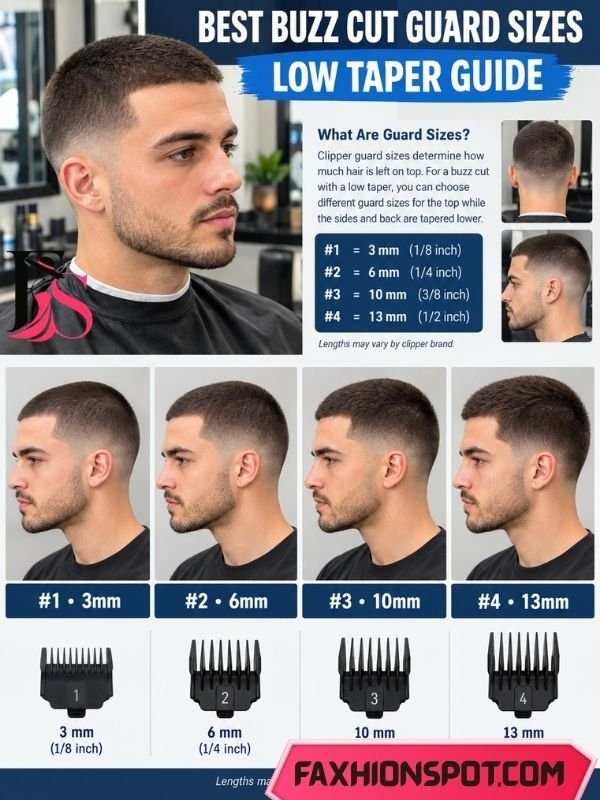
Guard numbers determine how much hair remains on top. Higher numbers leave more length. Wahl’s published guide places #1 at 1/8 inch, #2 at 1/4 inch, #3 at 3/8 inch, and #4 at 1/2 inch.
| Guard | Approx. Length | Overall Look | Good Starting Point For |
| #1 | 1/8 in / 3 mm | Very short | Very close styles |
| #2 | 1/4 in / 6 mm | Classic short buzz | Traditional buzz lovers |
| #3 | 3/8 in / 10 mm | Fuller and softer | Most first-timers |
| #4 | 1/2 in / 13 mm | Longer and fuller | More coverage |
| #5+ | 5/8 in+ | Long clipper cut | Those wanting extra texture |
Actual results can vary with clipper brand, blade settings, hair density, curl pattern, and cutting direction.
#1 Guard Buzz Cut
A #1 leaves about 3 mm of hair. It creates a very close appearance and can make the scalp and natural head shape more noticeable.
It works when you specifically want an extremely short finish, but it is less forgiving if you are unsure about going very short.
#2 Guard Buzz Cut
A #2 leaves roughly 6 mm of hair and is a classic short-buzz option. It provides a strong contrast with the tapered perimeter without making the entire head look shaved.
It is particularly useful for people who already know they enjoy short hair.
#3 Guard Buzz Cut
A #3 leaves approximately 10 mm of hair. It offers more coverage and softness than a #2 while remaining distinctly short.
For someone getting this haircut for the first time, #3 is often a practical starting point because your barber can shorten it further if necessary.
#4 Guard Buzz Cut
A #4 leaves around 13 mm. It gives the top a fuller appearance and can preserve more texture.
It is useful if you are moving from a longer hairstyle or simply want a short haircut without an extremely close finish.
Best Low Taper Fade with Buzz Cut Styles
There is no single version of this haircut. Changing the top guard, hairline finish, beard connection, or taper intensity can create noticeably different results.
Classic Low Taper Buzz Cut
The classic version keeps the top at one consistent clipper length and adds a subtle taper around the ears and neckline.
It is a straightforward option if you want a clean appearance without designs or dramatic contrast.
Buzz Cut with Line Up
A line up adds sharper definition around the forehead and temples. It can make the haircut look more structured, especially when the natural hairline is strong.
Ask for a natural line rather than an aggressively pushed-back hairline if preserving your original shape is important.
Low Taper Buzz Cut with Beard
A beard can connect naturally with the tapered sideburn area. Your barber can gradually reduce the hair around the sideburn before blending it into the beard.
The result creates continuity between the haircut and facial hair without requiring a heavy fade throughout the sides.
Skin Fade Low Taper Buzz
This variation takes the lowest section down to skin instead of leaving visible clipper length.
It creates stronger contrast and looks especially crisp immediately after the appointment. The trade-off is faster visible regrowth, so it generally needs more frequent cleanup.
Curly Buzz Cut with Low Taper
Curly and coily hair can produce a different visual result at the same guard length because the strands naturally contract.
Keeping a little extra length, such as #3 or #4, can preserve more texture. The taper can then provide clean definition around the perimeter.
Long Buzz Cut with Low Taper
A #4 or even longer clipper setting gives this variation a softer silhouette.
It is a useful option for anyone who likes the convenience of a buzz cut but does not want an extremely close appearance.
Athletic Buzz Cut
The athletic version emphasizes practicality. The short top stays manageable during workouts, sports, or outdoor activities.
A low taper around the ears and neckline adds shape without requiring styling products.
Which Face Shapes Suit This Haircut?
A short haircut makes the natural proportions of the head and face more visible, so guard selection matters.
Round Face
A round face can benefit from keeping slightly more length on top rather than choosing an extremely short guard.
A #3 or #4 can provide a little visual height while the low taper keeps the sides controlled.
Oval Face
Oval faces generally provide plenty of flexibility. Several buzz lengths can work because the proportions are already relatively balanced.
You can choose based more on hair density, hairline, and personal preference.
Square Face
A square face already has strong angular proportions, so a short buzz can emphasize the jaw and cheek structure.
A clean taper and natural line up can complement the shape without making the edges unnecessarily harsh.
Long Face
With a long face, going extremely short on top can emphasize facial length.
A #3 or #4 may provide a more balanced appearance by retaining some visual fullness. Keeping the taper low also avoids removing too much width high on the sides.
Best Hair Types for This Cut
Hair texture affects how the same guard number looks. Your barber should consider density and growth direction rather than relying on the guard number alone.
Straight Hair
Straight hair generally shows the clipper length clearly and can create a crisp, uniform finish.
Because the strands lie relatively flat, the taper can appear especially precise around the temples and neckline.
Thick Hair
Thick hair is naturally well suited to short clipper cuts because it tends to maintain visible density.
A #2 or #3 can create a strong, clean silhouette while the taper removes excess bulk around the perimeter.
Curly Hair
Curly hair can appear shorter than expected because curls contract toward the scalp.
If maintaining visible texture matters, discuss using a #3 or #4 instead of immediately choosing the shortest guard.
Fine Hair
Fine or thinning hair requires more thoughtful guard selection. Going extremely short can make the scalp more visible.
A slightly longer #3 or #4 can sometimes provide more visual coverage than a #1 or #2. However, results depend on the density and pattern of your hair.
Low Taper Buzz Cut vs Regular Buzz Cut
The main difference is the treatment of the sides and perimeter.
| Feature | Low Taper Buzz | Regular Buzz |
| Top | Short and even | Usually short and even |
| Sides | Gradually tapered | Often same or similar length |
| Neckline | Blended | Usually uniform |
| Ear area | Tapered | Usually uniform |
| Styling | Minimal | Minimal |
| Visual finish | More shaped | Simpler |
| Customization | Higher | More straightforward |
A regular buzz prioritizes simplicity. The tapered version keeps that simplicity while adding a more deliberate transition around the edges.
How to Ask Your Barber for a Low Taper Buzz Cut
Avoid saying only, “Give me a buzz with a fade.” That leaves several important details open to interpretation.
Instead, give your barber four pieces of information:
- Top length: Specify #2, #3, #4, or another guard.
- Taper placement: Say you want the taper low around the ears and neckline.
- Fade finish: Explain whether you want a soft taper or skin finish.
- Hairline: State whether you want a natural edge or a sharper line up.
Simple barber script
“I want a number 3 on top, kept even. Keep the taper low around the ears and neckline. I want a soft blend rather than taking the fade high. Keep my natural hairline unless you recommend a light line up.”
If you want skin at the bottom, simply add that detail.
A photo can also help because terminology varies between barbers and regions.
Click Here To Read Another Topic
Common Mistakes to Avoid
A short haircut leaves less room to hide mistakes, so a few simple decisions can make a major difference.
Going Too Short the First Time
If you are uncertain, start longer.
Hair can always be shortened during the same appointment, but your barber cannot immediately put the removed length back.
Taking the Fade Too High
One of the most common communication problems is accidentally turning a low taper into a mid or high fade.
Point to the area where you want the blend to begin and specifically say that you want the transition to remain low.
Ignoring Scalp Care
Short hair exposes more of the scalp to sunlight, cold, dryness, and environmental factors.
Keep the scalp clean and moisturized when needed. If your scalp is exposed, consider appropriate sun protection when spending extended time outdoors.
Maintenance Tips
A short cut looks best when the perimeter remains controlled.
For easier maintenance:
- Clean around the ears and neckline regularly.
- Schedule a professional cleanup when the taper loses definition.
- Avoid using heavy styling products when they are unnecessary.
- Wash according to your scalp and hair needs.
- Protect exposed scalp from prolonged sun exposure.
- Tell your barber if you want to grow the top longer between appointments.
The exact maintenance interval depends on how quickly your hair grows and how crisp you want the taper to remain.
Conclusion
A low taper fade with buzz cut is a practical choice for anyone who wants short hair with more shape than a traditional one-length buzz.
The top guard is the biggest customization point, with #2 creating a close finish and #3 or #4 providing additional coverage and softness.
Frequently Asked Questions
What is the best guard number for a low taper buzz cut?
A #3 is a versatile starting point because it leaves about 3/8 inch of hair while still looking distinctly short.
Is this haircut good for the office or school?
Yes. Its short top, controlled edges, and subtle taper can create a neat appearance suitable for many school and workplace dress codes.
Does this haircut work with a beard?
Yes. A barber can taper the sideburn area into the beard to create a smoother connection between facial hair and the haircut.
Is this haircut good for thinning hair?
It can be, but guard selection matters. A #3 or #4 may provide more coverage than an extremely short #1 or #2, depending on the individual’s density and scalp visibility.
How often should I maintain the taper?
Many people refresh a short taper every few weeks, but the ideal schedule depends on growth speed and how sharp you want the edges to remain.
Can curly hair get this haircut?
Yes. Curly and coily hair can work particularly well with a slightly longer top guard that preserves some natural texture.
Is a #2 or #3 better for a first buzz cut?
A #3 is the more forgiving starting point because it leaves more length. If you already know you prefer very short hair, a #2 can create a tighter finish.
Does a low taper make a buzz cut look different?
Yes. The tapered perimeter creates a gradual transition around the ears and neckline, giving the otherwise uniform cut more definition.