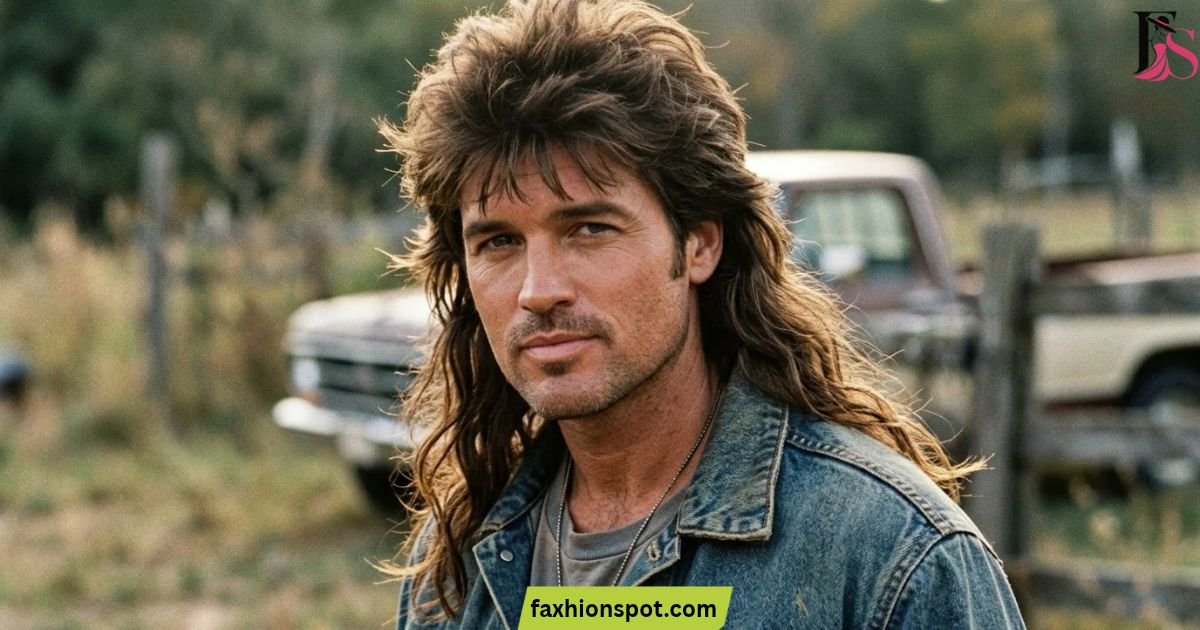
The Billy Ray Cyrus mullet haircut remains one of the most recognizable hairstyles associated with 1990s country music.
Popularized during the success of “Achy Breaky Heart” in 1992, the classic country mullet helped bring the hairstyle into mainstream pop culture.
In this guide, you’ll discover seven inspired styles, the haircut’s cultural legacy, how traditional and contemporary mullets differ, and exactly what to tell your barber to achieve the look.
Billy Ray Cyrus Inspired Mullet Styles
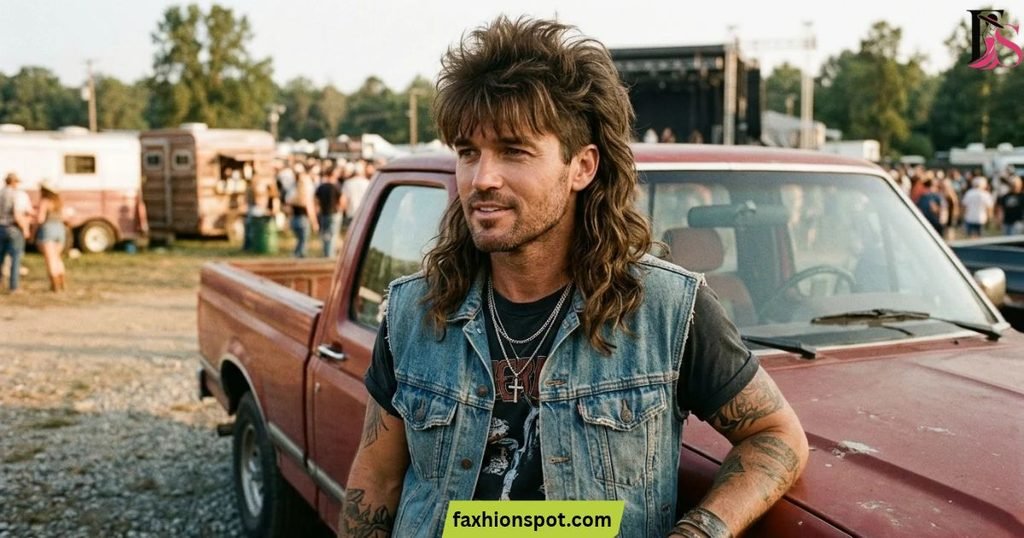
The original hairstyle had a recognizable silhouette, but it can be adapted to different hair textures, lengths, and personal preferences. Some men prefer the dramatic 1990s shape, while others want a more subtle haircut that fits modern fashion.
Here are seven variations worth considering.
Classic 90s Billy Ray Cyrus Mullet
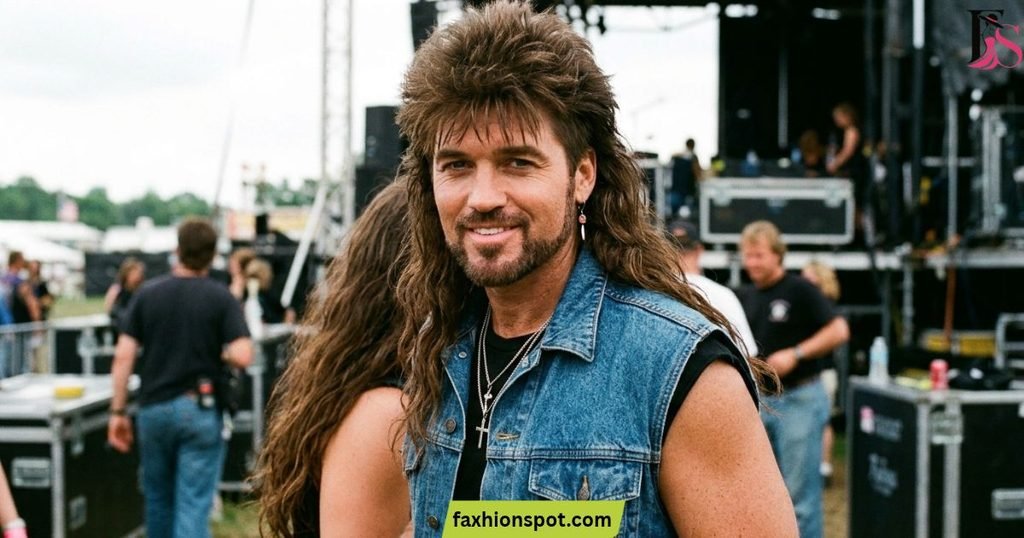
The classic 90s Billy Ray Cyrus mullet is the closest interpretation of the singer’s famous early-career look. It features a relatively short front and top, controlled sides, and a noticeably longer back that extends past the neckline.
The dramatic contrast between the front and rear is what makes this hairstyle distinctive. Unlike today’s heavily blended cuts, the traditional version allows the longer back to stand out.
Best for: Men who enjoy vintage country fashion, retro outfits, and bold hairstyles.
Barber tip: Keep the top compact, trim around the ears, and preserve substantial length at the back. Avoid a high skin fade if you want an authentic 1990s appearance.
Feathered Mullet
The feathered mullet introduces softer layers that create movement around the crown and back. Instead of forming one thick section of hair, the ends separate naturally, producing a lighter and more flowing appearance.
This variation works particularly well with straight or slightly wavy hair. A blow-dryer and a round brush can help lift the roots and direct the longer sections backward.
Best for: Men who want a softer, more polished retro hairstyle without losing the traditional mullet shape.
Long Country Mullet
The long country mullet emphasizes length at the back, creating the dramatic silhouette associated with classic country performers. The front remains shorter, while the rear hair can extend to the shoulders or beyond, depending on personal preference.
This style looks especially effective with naturally thick hair because additional density helps the back maintain its shape. Regular conditioning also prevents the longer sections from becoming dry or tangled.
Best for: Men with medium-to-long hair who prefer a rugged, traditional country aesthetic.
Layered Mullet
A layered mullet uses carefully placed layers to reduce excessive weight and improve movement. The crown, sides, and back connect more naturally than they do in a sharply disconnected traditional cut.
Although it retains the recognizable short-front, long-back structure, the layered finish gives the haircut a contemporary appearance. It is also easier to style when the hair has natural volume.
Best for: Men with thick, heavy, or slightly wavy hair who want better movement and a more balanced shape.
Shaggy Mullet
The shaggy mullet combines the traditional mullet with the relaxed texture of a shag haircut. Uneven-looking layers, a slightly messy crown, and softer edges create a casual appearance.
A small amount of matte styling paste can add separation without making the hair look greasy. You can also let your natural texture do most of the work for a low-maintenance finish.
Best for: Men who prefer alternative fashion, relaxed outfits, and deliberately messy hairstyles.
Wavy Mullet
A wavy mullet uses natural waves to give the longer back more volume and movement. The front and sides can remain relatively short, while the rear sections form loose bends that soften the overall shape.
Use a lightweight leave-in conditioner or curl-enhancing cream to define the waves. Avoid excessive brushing when the hair is dry, as this can create unwanted frizz.
Best for: Men with naturally wavy hair who want a textured, energetic interpretation of the classic cut.
Modern Billy Ray Inspired Mullet
This contemporary version preserves the defining features of the original hairstyle while introducing cleaner detailing. A low taper, subtle layering, or textured crown can make the cut feel current without removing too much length from the back.
The important point is to retain enough length behind the crown so that the haircut still reads as a mullet. If the back becomes too short, the result may resemble a conventional short haircut instead.
Best for: Men who want a recognizable retro influence with a more understated, everyday finish.
The Impact of Billy Ray Cyrus on Mullet Culture
The mullet existed long before Billy Ray Cyrus became famous. However, his early-1990s appearance helped make the style particularly recognizable to country music audiences and mainstream pop culture.
His breakthrough single, “Achy Breaky Heart,” became a major hit in 1992, and his debut album, Some Gave All, reached No. 1 on the Billboard 200. The hairstyle became closely associated with this period of his career. <Cite refs={[“turn550764search4″,”turn550764search12”]}/>
The haircut also became a symbol of a broader fashion identity. Denim, boots, casual shirts, and country-rock performance outfits complemented the long-back silhouette. The style was memorable because it was immediately recognizable from the front and especially dramatic from the side or rear.
Over time, the mullet became both a nostalgic fashion statement and a source of humor. Cyrus even revisited the subject in his 2006 song “I Want My Mullet Back,” demonstrating how closely the haircut remained connected to his public image. <Cite refs={[“turn550764search1″,”turn550764search0”]}/>
Modern mullet trends have since introduced softer transitions, textured finishes, and new combinations with fades and tapers. Nevertheless, the classic country version remains an important reference point for anyone exploring the hairstyle’s history.
Key Features of the Billy Ray Cyrus Mullet
The original haircut is defined by a few essential characteristics.
- Shorter front: The hair around the forehead and upper front is kept relatively compact.
- Controlled sides: The hair around the ears is shorter than the back, but the original look does not require a modern skin fade.
- Long back: The rear section extends beyond the neckline, creating the defining silhouette.
- Strong contrast: The difference between the short front and longer back is deliberately noticeable.
- Natural movement: The longer hair can move freely rather than being sculpted into a highly structured shape.
- Country-inspired finish: The overall appearance is casual, confident, and slightly rugged.
The defining feature is the relationship between the front and back. Growing the rear hair long is only part of the process; the top, sides, and neckline must work together to preserve the recognizable shape.
How the Billy Ray Cyrus Mullet Differs from Modern Mullets
Traditional and contemporary mullets share the same basic principle: shorter hair in the front and longer hair in the back. The main differences involve blending, texture, side detailing, and the overall finish.
Modern versions often borrow techniques from fades, tapers, shag haircuts, and textured crops. These adjustments make the style easier to personalize without completely abandoning its retro origins.
| Feature | Traditional 1990s mullet | Modern mullet |
| Front and top | Relatively short and compact | Textured, layered, or fringed |
| Sides | Short but not necessarily faded | Often tapered or faded |
| Back | Long and clearly separated | Long, layered, or softly blended |
| Texture | Natural, sometimes brushed back | Messy, wavy, curly, or defined |
| Overall look | Bold and nostalgic | Versatile and customizable |
| Styling | Simple brushing and basic products | Often uses texture creams or matte products |
Traditional Billy Ray Cyrus Mullet
The traditional version focuses on contrast rather than complicated barbering techniques. The front is relatively neat, the sides remain controlled, and the back provides most of the visual impact.
This haircut suits men who appreciate the authentic 1990s appearance and do not mind making a bold style choice. It can also work well for themed events, retro fashion, and country-inspired outfits.
To preserve the original character, avoid excessive layering that makes the back appear too thin. Keep enough density to create a substantial, flowing rear section.
Modern Mullet Variations
Modern interpretations offer greater flexibility. A barber can combine the traditional outline with a low taper, a burst fade, a textured fringe, or softer layers.
For example, a low-taper mullet keeps the sideburn and neckline area neat without removing too much hair. A burst-fade mullet creates a more dramatic transition around the ears, while a shaggy version prioritizes loose texture.
The best option depends on your hair type, maintenance preferences, and the amount of contrast you want. If you are new to mullets, a softly layered version may be easier to wear than the more extreme original.
Can You Still Wear a Billy Ray Cyrus Mullet Today?
Yes. The classic country mullet can still be worn today, particularly by men who appreciate retro fashion, country music, and distinctive grooming styles.
The key is choosing a version that suits your hair texture, face shape, and lifestyle. A traditional cut creates a stronger vintage statement, while a modern interpretation can feel more subtle and adaptable.
Consider these factors before choosing your style:
- Hair density: Medium-to-thick hair generally makes it easier to maintain a full-looking back.
- Hair texture: Straight hair emphasizes the shape, while waves and curls add volume and movement.
- Desired length: A shorter back offers a restrained look; shoulder-length hair creates a more dramatic silhouette.
- Personal style: Denim, boots, vintage shirts, and casual outfits complement the traditional country aesthetic.
- Maintenance: The sides and neckline need occasional trimming, even when you’re growing the back.
Remember that you do not have to copy every detail of the 1990s version. Keeping the long back while adjusting the top and sides can create a more personalized result.
How to Ask Your Barber for a Billy Ray Cyrus Mullet
Clear instructions help your barber understand whether you want an authentic vintage haircut or a contemporary interpretation. Bring reference photographs showing the front, sides, and back whenever possible.
Explain that the goal is a traditional country mullet with a short front, controlled sides, and a noticeably longer rear section.
You can use the following barber script:
“I want a classic 1990s country mullet inspired by Billy Ray Cyrus. Keep the front and top relatively short, trim the sides around the ears, and leave the back long and full. I want a clear difference between the front and back, with natural movement and minimal fading. Please shape the neckline without cutting away too much length.”
If you prefer a modern variation, ask for subtle layering or a low taper around the sideburns and neckline. Make sure the barber understands that preserving the back length is your priority.
Before the haircut begins, discuss how much length should remain at the crown, whether the sides should blend into the back, and how much weight should be removed from the longer sections.
Click Here To Read Another Topic
Styling Tips for a Billy Ray Cyrus Mullet
The right styling routine helps maintain the traditional shape without making the hair look stiff or overly polished.
- Start with clean hair. Use a suitable shampoo and conditioner based on your scalp and hair type.
- Dry the front and crown. Use a blow-dryer on a moderate setting to create natural lift and direction.
- Shape the back. Use your fingers or a brush to guide the longer hair downward and away from the crown.
- Apply a small amount of product. Lightweight styling cream or a flexible-hold product can control flyaways without weighing down the hair.
- Preserve natural movement. Avoid applying too much gel or wax, especially if you want a relaxed country finish.
- Maintain the outline. Trim the sides and neckline as needed while protecting the length at the back.
For straight hair, a light styling cream can add control. Wavy hair often benefits from leave-in conditioner, while thick hair may need a lightweight product that helps manage bulk.
A practical starting point is to schedule a maintenance trim every four to six weeks, adjusting the timing according to how quickly your hair grows and how sharp you want the sides to look. The longer back may need less frequent cutting.
FAQs: Billy Ray Cyrus Mullet
Why is Billy Ray Cyrus famous for his mullet?
His dramatic mullet became closely associated with his early-1990s breakthrough, particularly the success of “Achy Breaky Heart” in 1992. The haircut became an instantly recognizable part of his country-music image.
What type of mullet did Billy Ray Cyrus have?
He wore a traditional country mullet featuring a relatively short front, controlled sides, and substantially longer hair at the back. Its strong contrast helped distinguish it from many modern, softly blended versions.
Is the Billy Ray Cyrus mullet still popular today?
Yes. The classic look remains recognizable, while contemporary mullets offer updated options such as tapers, fades, layers, and textured finishes.
How do I ask my barber for a Billy Ray Cyrus mullet?
Ask for a classic 1990s country mullet with a short front, neat sides, and a long, full back. Bring reference photos and clearly explain how much length you want to preserve.
What face shapes suit a Billy Ray Cyrus mullet?
Oval, square, and oblong faces can work well with this style, depending on the proportions. Adjusting the crown volume, fringe, and back length can help balance different facial features.
Conclusion
The Billy Ray Cyrus mullet haircut is more than a nostalgic 1990s trend. It represents a distinctive period in country-music fashion and remains an influential example of the classic short-front, long-back hairstyle.
With the right approach, this iconic retro hairstyle can feel intentional and wearable today while preserving the unmistakable character that made it famous.