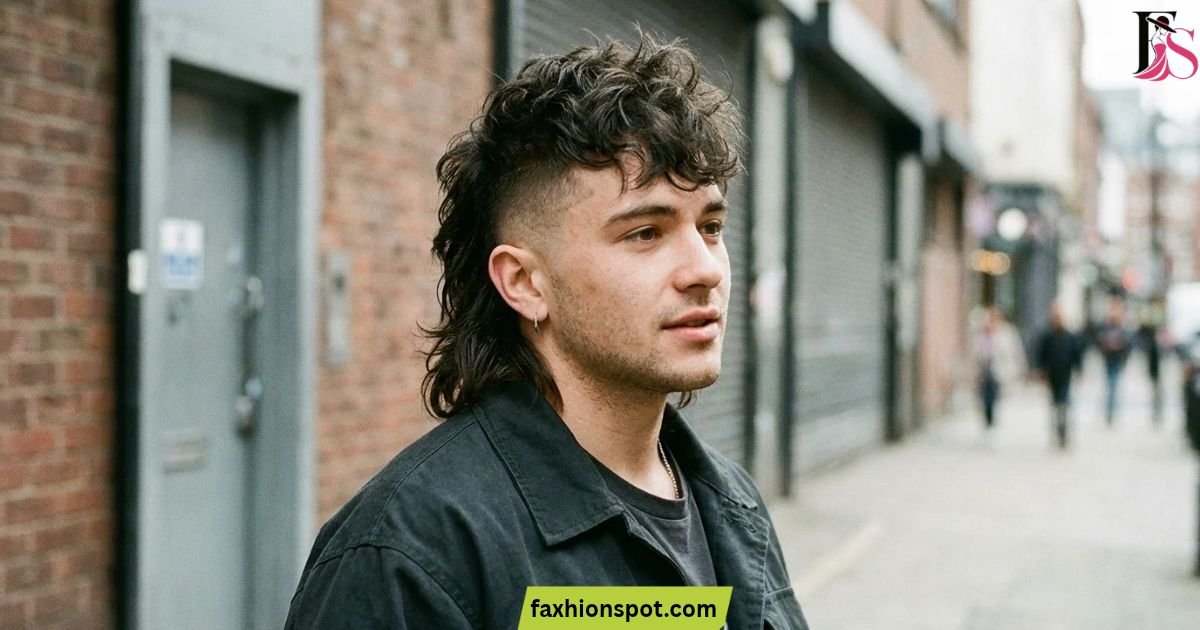
The modern mullet mohawk combines the rebellious attitude of a mohawk with the distinctive length of a mullet.
It features shorter or faded sides, a more prominent strip of hair through the center, and a longer back that creates a sharp, recognizable silhouette.
Whether you prefer a low-maintenance haircut or a bold statement look, there are many ways to personalize this style.
What Makes Modern Mullet Mohawk Different?
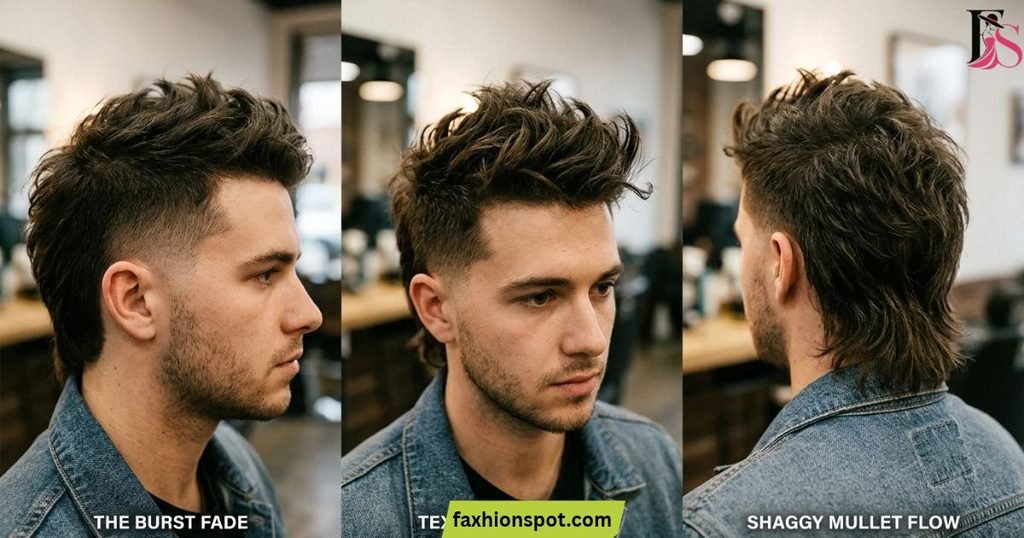
A modern mullet mohawk stands out because it combines three important elements: shorter sides, concentrated volume along the center, and a longer section at the back. Unlike a traditional mohawk, which often features a narrow strip of upright hair, contemporary versions can be styled with soft waves, curls, loose layers, or a natural finish.
The mullet influence comes from the extended nape, while the mohawk influence creates height and definition through the top. A fade, taper, or undercut can strengthen the contrast between these sections.
Here are the main characteristics that define this haircut:
- Short or faded sides: Create contrast and make the central section more noticeable.
- Textured top: Adds volume, movement, and styling flexibility.
- Extended back: Preserves the signature mullet shape around the nape.
- Customizable silhouette: Allows you to choose a subtle, messy, polished, or dramatic finish.
- Flexible styling: Works with straight, wavy, curly, and coily hair when the cut is adapted appropriately.
The most important detail is the connection between the top, crown, and back. A skilled barber balances these areas so the haircut looks intentional rather than like two unrelated styles combined.
26 Unique Modern Mullet Mohawk Styles
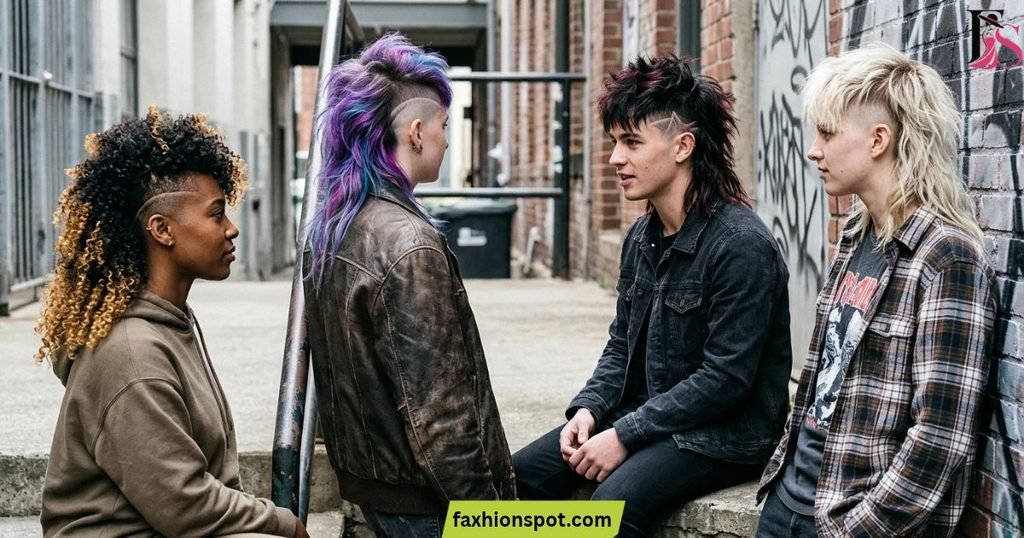
These 26 variations offer different combinations of texture, length, fade placement, and shape. Some are suitable for everyday wear, while others are designed for people who enjoy more adventurous hairstyles.
1. Razor Lift Mullet Mohawk
The Razor Lift variation focuses on sharp definition and noticeable height. The barber keeps the sides closely faded and leaves enough length through the center to create an elevated, forward-moving ridge.
Razor texturing can help separate the ends and create a sharper finish. This design works especially well for straight or slightly wavy hair because the central sections can be directed upward with relative ease.
For styling, use a blow-dryer to lift the roots before applying a small amount of strong-hold paste. Keep the back textured rather than overly stiff to preserve the balance between the two haircut influences.
2. Shadow Blend Mullet Mohawk
A Shadow Blend version offers a softer alternative to an aggressive skin fade. The sides gradually transition from short hair into the longer upper section, leaving a subtle shadow that adds depth.
This variation is a useful choice if you want a noticeable central shape without exposing too much scalp. It also allows the top and back to remain the main visual features.
A matte styling cream or lightweight clay can create definition without making the hair look excessively glossy. Regular trimming around the ears and neckline helps maintain the blended finish.
3. Flow Hawk Tail Mullet
The Flow Hawk Tail combines a relaxed, swept-back top with an extended nape. Rather than creating stiff spikes, the central hair flows naturally toward the crown and continues into the longer back.
Medium-length straight or wavy hair is particularly suitable because it can move freely while retaining the haircut’s structure. Soft layering prevents the back from appearing too heavy.
Use a light styling cream and direct the hair backward while blow-drying. This approach creates a relaxed, contemporary finish that works well for casual outings and creative environments.
4. Air Textured Mullet Mohawk
The Air Textured variation emphasizes lightness and movement. Choppy layers create separation through the center, while the sides remain shorter to highlight the overall shape.
It is a strong option for people who dislike rigid styling and prefer a hairstyle that looks natural throughout the day. Fine hair can benefit from lightweight volumizing products, while thicker hair may need strategic weight removal.
Apply texture spray to slightly damp hair and use your fingers to lift selected sections as they dry. Avoid heavy waxes that can make the top look flat.
5. Split Layer Mullet Mohawk
The Split Layer design uses clearly defined layers to separate the fringe, crown, and back. The top has enough structure to form a central ridge, while the longer rear section maintains the mullet silhouette.
This approach is particularly effective for medium to thick hair because layers reduce excess bulk without sacrificing the desired length. It also gives straight and wavy hair more visible movement.
Ask your barber to preserve the connection through the crown. Too much separation can make the back look disconnected from the top.
6. Blade Line Mullet Mohawk
The Blade Line variation introduces a precise shaved line or hard detail into the faded sides. This creates a graphic contrast against the longer center and back.
It suits people who prefer a sharper, more deliberate appearance. The line can be straight, angled, or subtly curved depending on the desired design and the barber’s recommendation.
Keep the remaining hair textured to prevent the overall cut from appearing overly rigid. Because shaved details grow out quickly, plan for more frequent touch-ups if you want the line to remain crisp.
7. Sculpted Crown Mullet Mohawk
The Sculpted Crown style places particular emphasis on the area where the top transitions into the back. The crown is shaped carefully to maintain volume, direction, and a smooth visual connection.
This detail makes a significant difference when the top is elevated or swept backward. It is also useful for hair with natural cowlicks, which can change how the central strip sits.
Use a blow-dryer and a flexible styling product to guide the crown into place. The goal is controlled volume rather than a stiff, artificial-looking ridge.
8. Drop Tail Mullet Mohawk
The Drop Tail variation features a longer back that falls naturally toward the neckline. The sides are reduced enough to highlight the central section, but the rear length remains the defining feature.
This option works with straight, wavy, and curly textures. Layers around the nape can prevent the tail from looking bulky, while a slightly longer crown helps the top flow into the back.
A small amount of styling cream is usually sufficient for everyday wear. If you want more movement, let the hair air-dry instead of forcing the entire top upward.
9. Fringe Hawk Mullet
The Fringe Hawk combines a forward-facing fringe with a pronounced center section and longer back. The fringe can be short and textured or longer and swept toward the forehead.
This variation changes the look from the front, making it appealing to anyone who does not want all their hair brushed backward. It can also soften the appearance of a high forehead, depending on the fringe shape.
Ask your barber to balance the fringe with the height of the crown. A heavy front section can otherwise overwhelm the central silhouette.
10. Micro Strip Mullet Mohawk
The Micro Strip version keeps the central section relatively narrow while the sides are clipped closely. This creates a pronounced mohawk effect without requiring a large amount of top length.
It is a bold choice for people who enjoy strong contrast and defined shapes. However, the narrow section needs careful placement because an excessively thin strip may reveal scalp or separate awkwardly around the crown.
Use a lightweight product to define the center. A small amount of paste can create separation without making the strip look stiff or overly spiky.
11. Heavy Tail Contrast Mohawk
The Heavy Tail variation emphasizes the difference between closely cut sides and a fuller, longer back. The central section remains substantial enough to connect the top with the extended nape.
This dramatic combination works well for thick hair, which naturally provides volume and density. Layering is important because excessive weight at the back can make the silhouette appear unbalanced.
For styling, keep the top structured and allow the tail to retain some natural movement. This contrast creates a distinctive look without requiring every section to stand upright.
12. Soft Edge Mullet Mohawk
The Soft Edge variation replaces sharp transitions with a more gradual blend. The sides are tapered or softly faded, and the top retains natural texture instead of forming a rigid central ridge.
It is a practical starting point for anyone trying this hybrid haircut for the first time. The overall shape remains recognizable, but the finish is less aggressive than a high skin fade.
A flexible styling cream can enhance separation while preserving movement. This version is also easier to adapt if you eventually want to grow the sides out.
13. Rebel Fade Mullet Mohawk
The Rebel Fade is designed for maximum contrast. A high fade or skin fade removes much of the side bulk, making the central hair and longer back stand out immediately.
The top can be styled into spikes, rough layers, or a forward-moving ridge. The rear section should retain enough length to establish a clear mullet shape.
This variation suits people who enjoy edgy, street-inspired grooming. Be prepared for more frequent fade maintenance because new growth becomes noticeable against the closely shaved areas.
14. Curved Spine Mullet Mohawk
The Curved Spine version follows the natural shape of the head rather than forcing the central hair into a perfectly straight ridge. The top curves through the crown and continues toward the nape.
This makes the cut particularly interesting on wavy or curly hair, where natural movement can create a more organic silhouette. Strategic layering helps maintain the shape without removing too much weight.
Use a diffuser for curls or a blow-dryer with a brush for straighter textures. Keep the product lightweight so the central section retains its natural movement.
15. Layer Burst Mullet Mohawk
The Layer Burst combines a curved burst fade around the ears with layered length through the top and back. The fade exposes the area around the ears while preserving more hair behind them.
The result is a balanced hybrid that combines clean sides with visible texture. It works with multiple hair types, although the fade height and crown length should be adjusted to suit the individual’s head shape and density.
Ask for a burst fade that preserves the back rather than removing too much length near the nape. This is essential for maintaining the mullet silhouette.
16. Matte Finish Mullet Mohawk
The Matte Finish variation focuses on a natural-looking surface rather than shine. The cut itself can feature a taper or fade, with textured layers through the center and back.
This is an excellent choice for people who want definition without the wet appearance of gel. Matte clay, texture powder, or a suitable styling paste can create separation, depending on the hair’s thickness.
Start with a small amount of product and build gradually. Too much clay can weigh down fine strands, while dense hair may need a stronger formula for lasting control.
17. Ice Tone Mullet Mohawk
The Ice Tone variation adds a cool-toned color treatment, such as silver, icy blonde, or a pale ash shade. The lighter center can make the central ridge more noticeable against darker sides.
Color placement can be subtle or dramatic. A full lightening service generally requires more upkeep than natural hair, particularly when dark roots begin to show.
Consult a qualified colorist before bleaching, especially if your hair has already been chemically treated. Use color-safe shampoo and conditioning products to help maintain the tone and protect the hair’s condition.
18. Dual Texture Mullet Mohawk
The Dual Texture style combines two different finishes, such as a smooth top with a messy back or a defined central ridge with softer nape layers.
This creates visual depth without relying entirely on a dramatic fade. It is especially useful for people whose hair naturally changes texture across the head.
For example, you can blow-dry the center into a controlled shape and let the back air-dry for a more relaxed finish. Choose products according to each section’s needs rather than applying the same amount everywhere.
19. Street Flow Mullet Mohawk
The Street Flow version combines relaxed movement with a noticeable central shape. The sides are shorter, while the top and back remain loose enough to move naturally.
It works well with medium-length hair and suits people who prefer casual, fashion-forward grooming. Soft waves, layered ends, and a slightly messy finish help create the desired effect.
Use a texture spray or lightweight cream and style with your fingers. The result should look effortless rather than perfectly sculpted.
20. Elevated Taper Mullet Mohawk
The Elevated Taper uses clean, carefully shaped sides instead of a complete skin fade. The temples and neckline are refined while enough upper-side hair remains to soften the overall outline.
This approach creates a more understated variation that can suit everyday routines and some smart-casual settings. The central section can be styled upward or swept backward, depending on its length.
It is a sensible option if you want the hybrid silhouette without the extreme exposure of a high fade. A small amount of styling paste is often enough to maintain the top.
21. Asymmetrical Mullet Mohawk
The Asymmetrical variation uses uneven fringe lengths, an angled part, or intentionally different layers on each side. The result looks more experimental than a balanced, symmetrical cut.
It works particularly well for people interested in creative styling and unconventional shapes. The asymmetry should still be planned carefully so the central section connects with the crown and back.
Bring a reference photo to your barber and discuss how much unevenness you want. Small differences can create a modern effect without making the haircut difficult to manage.
22. Wet Look Mullet Mohawk
The Wet Look variation uses a glossy styling product to create definition and a sleek surface. The central section can be brushed backward, while the extended back follows the same direction or retains loose movement.
This finish can work for evening events, fashion-focused outfits, and occasions where a more polished appearance is desirable. The underlying cut should still have enough structure to hold its shape.
Apply gel or a suitable shine-enhancing product sparingly. Too much can make the hair appear greasy or stiff, especially when the central section is short.
23. Compact Modern Mullet Mohawk
The Compact variation keeps the top, sides, and back relatively short while preserving a clear difference in length. The center is textured rather than excessively tall, and the nape has a modest extension.
It is a useful option for beginners who want to experiment without committing to a long tail. Shorter lengths also reduce the time needed for daily styling.
Ask your barber to retain enough back length to make the mullet recognizable. If the nape is cut too short, the result may look more like a standard mohawk fade.
24. Extended Spine Mullet Mohawk
The Extended Spine style features a longer central section that runs from the front through the crown and into a pronounced back. The sides are kept short to emphasize the length and direction.
This is one of the more dramatic options for people who enjoy longer hairstyles. The top can be spiked, swept backward, or left in loose layers, depending on the desired finish.
Regular shaping helps prevent the crown from becoming bulky. If you want to grow the back longer over time, tell your barber to preserve the nape and maintain a balanced transition.
25. Chaotic Layer Mullet Mohawk
The Chaotic Layer variation embraces irregular texture, choppy ends, and a deliberately undone appearance. The top may feature uneven pieces, while the back has multiple layers that create movement.
This style is suitable for people who prefer a rebellious, lived-in look rather than precise lines. Naturally wavy hair can make the texture easier to achieve, although straight hair can also work with suitable layering and styling.
Work a small amount of texture paste through dry hair and separate a few sections with your fingers. Avoid making every strand identical because the irregular finish is part of the design.
26. Neo Punk Mullet Mohawk
The Neo Punk version combines a pronounced central ridge, closely cut sides, and a defined mullet tail. It may also incorporate shaved patterns, bold color, or exaggerated spikes.
This is the most expressive option in the collection and works best for people who enjoy alternative fashion or experimental grooming. The exact design can be adapted to different hair lengths and textures.
Use a strong-hold product if you want vertical height, and consider color or shaved detailing only after discussing the maintenance involved. Keeping the central shape balanced is more important than adding every possible detail.
How to Choose the Right Style
Choosing the right cut depends on your preferred appearance, natural hair characteristics, maintenance budget, and the settings in which you plan to wear it.
Consider these factors before booking a barber appointment:
- Hair texture: Straight hair may need styling for height, while curls and waves provide natural movement.
- Hair density: Thick hair can support substantial layering, whereas lower-density hair may benefit from retaining more weight.
- Desired contrast: A taper produces a softer effect, while a high skin fade creates a more dramatic silhouette.
- Back length: A compact nape is easier to manage, while a longer tail emphasizes the mullet element.
- Daily routine: Choose a shape that works with the time and products you are willing to use.
Low Maintenance Looks
For a low-maintenance option, consider the Shadow Blend, Soft Edge, Elevated Taper, or Compact variation. These designs can look good without requiring the center to stand upright every day.
Keep the styling routine simple:
- Wash and condition your hair according to its needs.
- Apply a small amount of lightweight styling cream.
- Use your fingers to arrange the top and back.
- Allow the hair to air-dry or use a blow-dryer on a suitable setting.
A lower-contrast taper can also make regrowth less obvious than a skin fade. However, maintaining a clean outline still requires occasional trims.
Bold & Statement Looks
If you prefer a dramatic appearance, consider the Rebel Fade, Micro Strip, Heavy Tail Contrast, Blade Line, or Neo Punk design.
These variations use strong contrasts, precise details, or unusual shapes to create a distinctive finish. They are especially suitable for people who enjoy experimenting with fashion and personal style.
Before choosing one, decide how much scalp exposure you are comfortable with and how frequently you can visit your barber. High fades, shaved lines, and bright color treatments generally require more upkeep than softer alternatives.
Professional & Clean Styles
For a more polished result, the Shadow Blend, Soft Edge, Sculpted Crown, or Elevated Taper offers a useful balance between individuality and control.
Keep the sides neat, avoid excessive height, and use a flexible product that allows natural movement. A shorter fringe and moderate nape length can also make the silhouette less dramatic.
Workplace dress codes vary, so no single haircut is universally appropriate for every professional setting. If you need a conservative appearance, discuss a subtle version with your barber before removing substantial side length.
Trendy Gen-Z Styles
For a more experimental look, consider the Air Textured, Fringe Hawk, Street Flow, Asymmetrical, or Chaotic Layer variation.
These options emphasize texture, individuality, and a less conventional silhouette. They can be personalized with a curtain-inspired fringe, loose waves, uneven layers, or carefully placed color.
The best choice is one that works with your natural hair rather than requiring constant effort to reproduce a reference photo. A small styling routine and a well-planned cut often create a more wearable result than excessive product or complicated daily shaping.
Styling Tips
The right styling routine helps preserve the shape of your haircut while allowing you to change its finish whenever you want.
1. Start With the Right Hair Preparation
Use a shampoo and conditioner suited to your hair type. Remove excess water with a towel without rubbing aggressively, particularly if your hair is curly or prone to frizz.
For additional volume, begin styling while the hair is slightly damp. For more definition in curls, follow the product instructions and avoid disturbing the curl pattern unnecessarily.
2. Create Height Without Stiffness
If you want a pronounced central ridge, use a blow-dryer to lift the roots while directing the hair upward or backward.
Apply a small amount of paste or clay after drying. Separate individual sections with your fingers rather than coating the entire top in product.
3. Work With Your Natural Texture
Straight hair often benefits from texture spray or a lightweight paste. Wavy hair may need a flexible cream to control frizz while preserving movement. Curly and coily hair can benefit from suitable moisturizing products and diffuser drying.
Avoid using excessive heat or strong products simply to copy a hairstyle designed for a different texture.
4. Keep the Back Balanced
The extended nape should complement the central section rather than appearing heavy or disconnected. Use a small amount of cream to control flyaways while preserving natural movement.
If your hair grows quickly or becomes bulky at the crown, ask your barber to reshape the layers without automatically removing the length you are trying to maintain.
5. Maintain the Sides and Neckline
Faded sides can lose definition as new growth appears. Depending on how short the fade is and how quickly your hair grows, you may need touch-ups every two to four weeks.
Softer tapers and less aggressive fades can often go longer between appointments. The top and back may need less frequent trimming if you are growing them out.
Click Here To Read Another Topic
6. Protect Your Hair’s Condition
Use heat protection when blow-drying or applying hot tools. Avoid repeatedly bleaching or chemically treating the same sections without professional guidance.
If you choose an icy or brightly colored finish, follow a color-care routine recommended by your stylist. Healthy hair generally holds texture and styling more effectively than hair weakened by excessive chemical or heat exposure.
FAQs-modern mullet mohawk
What is a modern mullet mohawk?
It is a hybrid haircut that combines short or faded sides, a prominent central section, and longer hair at the back. The top can be spiky, textured, curly, wavy, or naturally swept.
Is it suitable for all hair types?
Yes, it can be adapted for straight, wavy, curly, and coily hair. The barber should adjust the center width, fade height, and back length to suit the hair’s density and natural growth pattern.
How often should I maintain it?
A short or skin-faded version may need a touch-up every two to four weeks. Softer tapers and longer styles can often go four to six weeks or longer, depending on your desired finish and hair growth.
Can it be styled for formal settings?
Yes, a softer taper with a controlled top and moderate back length can work for some formal or smart-casual settings. The best choice depends on the dress code and how dramatically the sides and nape are shaped.
Does it require daily styling?
Not always. Textured, tapered, and compact versions may need only a little cream or paste, while tall spikes and sculpted finishes usually require more time and stronger hold.
Conclusion
The modern mullet mohawk offers a versatile way to combine a bold central shape with the longer back of a mullet. From the subtle Shadow Blend and Elevated Taper to the dramatic Rebel Fade and Neo Punk, each variation provides a different balance of texture, contrast, and personality.
Whether you prefer a clean everyday haircut or an expressive, fashion-forward design, the right combination of length, layering, and fade placement can make this hybrid style your own.
1 thought on “Modern Mullet Mohawk: 26 Unique Styles for a Bold Look in 2026”