
The Korean mullet is a stylish choice for men who want a modern haircut with soft layers, natural movement, and a slightly longer back.
Inspired by Korean fashion, K-pop trends, and K-drama hairstyles, this haircut combines the bold shape of a traditional mullet with a softer, more balanced finish.
The key is choosing the right length, fringe, and side shape instead of copying a haircut that may not work for your hair. This guide covers 14 stylish options, barber instructions, styling products, and practical maintenance tips to help you find your ideal look.
What Is a Korean Mullet Haircut?
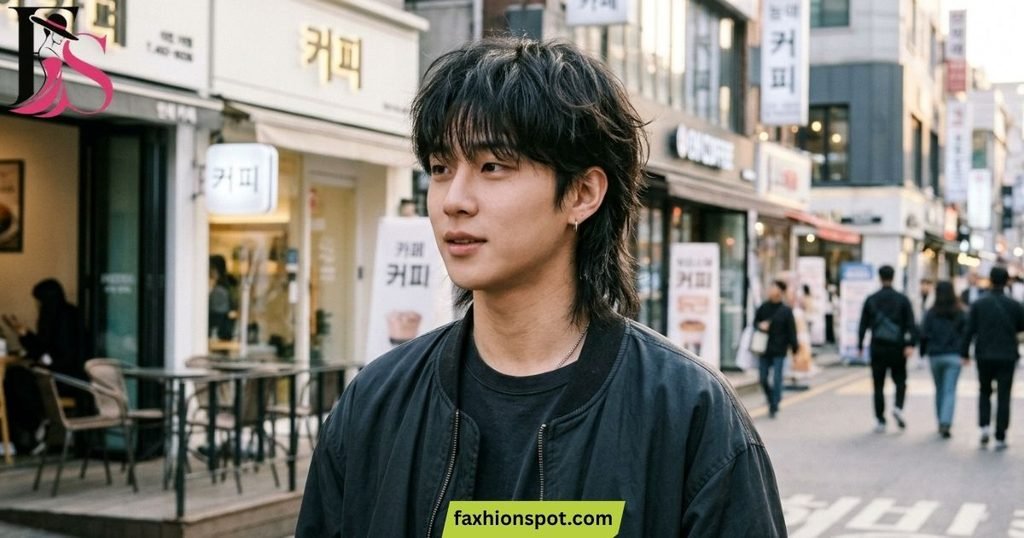
A Korean mullet haircut is a modern, layered hairstyle featuring shorter or more structured hair at the front and sides, with extra length toward the back of the head. Unlike a traditional mullet, it usually emphasizes soft transitions, face-framing layers, and natural texture rather than an exaggerated contrast between short sides and a long back.
The front can feature curtain bangs, a middle part, a wispy fringe, or a textured crop. The sides may be scissor-cut, shaped into a two-block style, or finished with a subtle taper. Meanwhile, the back is layered or feathered to create movement around the nape.
This haircut works particularly well for people who want a fashion-forward appearance without committing to an extreme hairstyle.
Its defining features include:
- Layered top: Adds movement and helps control bulky hair.
- Soft sides: Creates a balanced silhouette without requiring a skin fade.
- Longer nape: Gives the haircut its recognizable shape.
- Flexible fringe: Can be styled forward, parted in the middle, or swept sideways.
- Natural finish: Uses lightweight products to maintain separation and movement.
14 Best Korean Mullet Haircut Styles
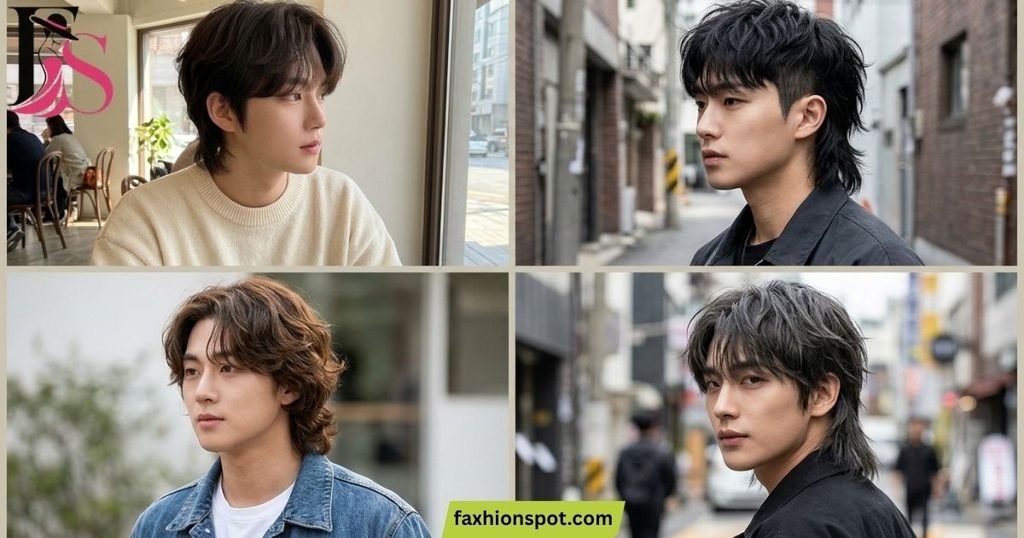
The best style depends on your hair density, natural texture, preferred length, and daily routine. These 14 variations offer different levels of contrast, volume, and maintenance.
1. Classic Korean Mullet
The classic version combines a softly layered top with neat sides and a slightly extended back. Its proportions are balanced, making it a practical introduction to the style if you have never tried a mullet before.
Keep the fringe around eyebrow length or slightly shorter, depending on your preference. Ask your barber to feather the nape instead of cutting it into a thick, blunt line. A small amount of styling cream helps maintain a natural finish.
Best for: Straight or slightly wavy hair and anyone seeking a versatile everyday look.
2. Textured Korean Mullet
The textured variation features choppy layers throughout the crown and back. These layers create separation and make the hairstyle look relaxed rather than overly polished.
It works especially well with medium-density or thick hair because texturizing can remove excess bulk. If your hair is naturally straight, a texturizing spray or lightweight matte clay can help create definition.
Avoid applying too much product, as heavy wax can make the layers stick together and flatten the overall shape.
Best for: Thick hair, casual outfits, and people who prefer a slightly messy finish.
3. Korean Wolf Cut Mullet
The wolf-cut variation combines shaggy layers with the longer back of a mullet. Shorter crown layers create lift, while longer sections around the sides and nape produce a flowing silhouette.
Compared with a conventional mullet, this version usually looks fuller and more deliberately tousled. It is particularly attractive on naturally wavy hair, although straight hair can achieve a similar effect with blow-drying and texture products.
Ask your barber for graduated layers rather than excessive thinning. This helps the haircut retain enough weight to frame your face.
Best for: Medium-length hair, natural waves, and fashion-conscious styling.
4. Two-Block Korean Mullet
This variation combines the recognizable two-block haircut with a longer, layered back. The upper section remains fuller, while the sides are shortened to create a distinct contrast.
It is a good option if you like the clean appearance of Korean men’s hairstyles but want something more expressive than a standard two-block cut. The back should blend visually with the upper layers, even if the sides remain disconnected.
You can wear the top forward, swept sideways, or parted in the middle.
Best for: Straight, thick hair and people who want a structured yet fashionable haircut.
5. Curtain Bang Korean Mullet
Curtain bangs create a middle-parted fringe that falls toward both sides of the forehead. Combined with longer back layers, they give the haircut a relaxed, face-framing appearance.
The fringe can be kept near the eyebrows for a subtle look or grown longer to frame the cheekbones. Blow-drying the front away from the center part helps create a soft curve without making the hair look stiff.
Use a light styling cream to control flyaways while preserving movement.
Best for: Straight or wavy hair and oval, square, or heart-shaped faces.
6. Low Taper Korean Mullet
A low taper gradually shortens the hair around the sideburns and neckline while leaving most of the side length intact. This creates a cleaner outline without removing the softness that defines the style.
The longer top and back provide contrast, while the tapered edges make the haircut look neat enough for many workplaces and everyday settings.
Tell your barber to keep the taper low and preserve the nape length. A high fade can change the silhouette considerably.
Best for: Men who want a polished, modern look with manageable sides.
7. Soft Layer Korean Mullet
The soft-layer variation uses blended, graduated sections instead of sharp, disconnected layers. The result is a smooth silhouette that moves naturally when the hair is styled or left slightly tousled.
This option is particularly useful for fine or medium-density hair because carefully placed layers can create the appearance of movement without removing too much weight.
A lightweight cream or blow-dry lotion helps the layers fall into place without creating a greasy finish.
Best for: Fine to medium hair and people who prefer understated styling.
8. Curly Korean Mullet
Naturally curly hair gives this variation plenty of volume and personality. The curls create texture around the crown and sides, while the longer back adds shape around the nape.
Your barber should account for shrinkage because curly hair often appears shorter once it dries. Cutting the back too short while wet can produce a noticeably different result after styling.
Use a curl cream or lightweight leave-in conditioner to reduce frizz and support curl definition.
Best for: Naturally curly hair and people who want a distinctive, textured silhouette.
9. Mini Korean Mullet
The mini version keeps the back short, usually extending only slightly below the neckline. The top and fringe remain textured, but the overall shape is more restrained than longer variations.
It is an excellent starting point if you like the idea of a mullet but do not want a dramatic change. The shorter nape also makes the haircut easier to maintain and more adaptable to casual or smart-casual clothing.
Ask for a short, feathered back rather than a blunt, extended tail.
Best for: Beginners, students, and people who prefer shorter hair.
10. Shaggy Korean Mullet
The shaggy variation emphasizes uneven layers, soft volume, and a deliberately relaxed finish. It has a slightly rebellious character while retaining the flowing shape associated with Korean-inspired cuts.
The crown can be layered for lift, while the fringe and sides remain loose enough to frame the face. Natural waves make styling easier, but straight hair can also achieve this look with a blow-dryer and texturizing spray.
The goal is controlled texture, not an excessively tangled appearance.
Best for: Wavy hair, creative personal styles, and casual outfits.
11. Middle Part Korean Mullet
This version features a center part that divides the front into two sections. The hair falls around the temples and cheekbones, creating a balanced frame for the face.
The back remains longer and layered, connecting the front to the overall shape. It can look sleek and polished when blow-dried or more relaxed when styled with a little texture.
For the best result, the top needs enough length to separate naturally without exposing too much scalp.
Best for: Medium-length straight or wavy hair and people who enjoy curtain-style fringes.
12. Fade Korean Mullet
A fade variation introduces a gradual transition from short sides to longer hair above. A low or mid fade can make the haircut sharper while maintaining the extended back.
The important detail is balance. If the sides are shaved too high, the contrast can overpower the softer layers and create a more aggressive look than intended.
Ask your barber to choose the fade height according to your head shape and desired finish. Keep the back feathered to preserve movement.
Best for: Thick hair and anyone who prefers a sharper, contemporary appearance.
13. Long Korean Mullet
The long version leaves additional length through the back, sometimes extending toward the shoulders. Longer layers create a flowing appearance and allow more styling flexibility.
This variation works best when the ends are shaped rather than left as one heavy section. Regular conditioning is also important because dry or damaged ends can make longer hair appear uneven.
You can wear the back naturally, add loose waves, or sweep the front away from the face.
Best for: People who enjoy longer hairstyles and are comfortable with extra maintenance.
14. Feathered Korean Mullet
Feathered layers create lightweight ends that curve away from the head instead of forming a thick, solid shape. This gives the back movement and helps the haircut look softer from the side and rear.
The front can be styled with a middle part or a wispy fringe, while the nape remains tapered and airy. A round brush and blow-dryer can enhance the feathered effect.
Avoid excessive thinning, especially if your hair is already fine, because it can make the ends look sparse.
Best for: Straight to wavy hair and anyone seeking a soft, flowing finish.
Best Face Shapes for Korean Mullets
Your face shape can help you choose the right fringe, crown volume, and back length. However, it should be treated as a guide rather than a strict rule. Hair texture, personal taste, and styling habits matter just as much.
| Face shape | Recommended variation | Styling tip |
| Oval | Classic, textured, or feathered | Experiment with different fringe lengths. |
| Round | Middle part, curtain bangs, or low taper | Add moderate height at the crown. |
| Heart | Soft layers or curtain fringe | Keep some fullness around the temples and sides. |
| Square | Shaggy, wolf cut, or feathered | Use softer layers to balance angular features. |
Oval Face
Oval faces usually work well with a wide range of haircuts because their proportions are relatively balanced. Classic, long, and textured variations can all complement this shape.
Try a middle part or curtain fringe if you want to emphasize your cheekbones. Avoid adding unnecessary height if you prefer a more balanced profile.
Round Face
For round faces, a little extra height at the crown can create the impression of length. A middle part or curtain fringe can also help frame the cheeks without adding excessive width.
Keep the sides reasonably controlled and avoid too much rounded volume around the temples.
Heart Face
Heart-shaped faces often have a wider forehead and a narrower chin. Soft layers, a curtain fringe, and moderate fullness around the sides can help balance these proportions.
Avoid making the crown excessively tall while leaving the sides too flat. A softer silhouette generally creates a more harmonious appearance.
Square Face
Square faces often have a strong jawline and relatively broad forehead. Shaggy layers, feathered ends, and a slightly wavy fringe can soften the overall outline.
If you prefer a sharper appearance, a low taper can provide definition without making the sides look overly severe.
How to Ask Your Barber for a Korean Mullet
Clear instructions are more useful than simply naming a haircut. Bring two or three reference photos showing the front, side, and back so your barber can understand the proportions you want.
Explain these details before the cut begins:
- Top length: Decide whether you want a short textured top or medium-length layers.
- Side shape: Choose scissor-cut sides, a two-block finish, a low taper, or a fade.
- Fringe: Specify curtain bangs, a middle part, or a shorter textured fringe.
- Back length: Explain whether you want a mini, medium, or long nape.
- Layering: Request soft, feathered layers instead of a thick, blunt back.
- Daily styling: Tell your barber how much time you want to spend styling your hair.
You can use this simple script:
“I want a modern Korean mullet with a textured, layered top, soft sides, and a slightly longer back. Please keep the nape feathered rather than blunt, and leave enough length in the fringe for a natural middle part. I prefer a balanced shape that works with my natural hair texture, without an excessively high fade. Please adjust the length to suit my face shape.”
Your barber can adjust these instructions based on your hair density, growth pattern, and preferred level of contrast.
How to Style a Korean Mullet
Styling should enhance the layers without making the hair look stiff or overly sculpted. A blow-dryer, one lightweight texturizing product, and a small amount of finishing product are usually enough.
Step 1: Blow-dry the Hair
Start with clean, towel-dried hair. Apply heat protectant, then use a blow-dryer on a moderate setting.
Lift the roots gently with your fingers to create volume at the crown. Direct the fringe into your preferred position, whether that is a middle part, curtain shape, or forward fringe.
Avoid flattening the back against your head. Use your fingers or a brush to encourage the longer layers to sit naturally.
Step 2: Apply Texture Product
Choose a texturizing spray or lightweight styling product suited to your hair type. Apply a small amount and distribute it evenly through the top and sides.
Use your fingers to separate individual layers and create definition. If your hair is fine, start with less product to avoid weighing it down.
Step 3: Define the Fringe
The fringe helps determine the overall character of the haircut. For curtain bangs, create a middle part and direct each side slightly outward.
For a textured fringe, use your fingertips to separate small sections. A little matte clay can add definition, but avoid creating stiff, obvious spikes unless that is your intended look.
Step 4: Keep the Back Controlled
Use your fingers to arrange the longer sections around the nape. Apply a small amount of styling cream if the ends appear dry or flyaway.
The back should move naturally rather than sticking together in thick sections. Finish by checking the shape from the side and rear so the layers look balanced.
Best Products for Korean Mullets
You do not need a large collection of products to maintain this hairstyle. Choose one or two options that suit your texture and desired finish.
| Product | Main benefit | Best for |
| Sea salt spray | Adds a tousled texture | Straight or wavy hair |
| Matte clay | Provides definition and hold | Thick hair and textured layers |
| Texture powder | Creates root lift and volume | Fine or flat hair |
| Lightweight hair cream | Smooths flyaways and softens ends | Dry, wavy, or curly hair |
Sea Salt Spray
Sea salt spray helps create a relaxed, beach-inspired texture. It can make straight hair look less flat and enhance natural waves.
Apply it sparingly to damp hair before blow-drying. If your hair is dry or chemically treated, avoid excessive use because salt-based formulas may increase dryness.
Matte Clay
Matte clay provides stronger definition without a glossy finish. It is useful for separating the crown layers, shaping a textured fringe, and controlling thicker hair.
Warm a small amount between your palms before applying it. Concentrate on the top and sides instead of coating the entire back.
Texture Powder
Texture powder can add lift at the roots without requiring a large amount of product. It works particularly well when fine hair struggles to maintain volume.
Use a light application around the crown and massage it gently into the roots. Too much powder can leave the hair feeling dry or difficult to restyle.
Lightweight Hair Cream
Hair cream offers light control while keeping the finish soft and flexible. It is especially helpful for managing frizz, smoothing longer ends, and defining curls.
Apply a small amount to damp or dry hair, depending on the product instructions. Avoid heavy formulas that can flatten fine layers.
Korean Mullet vs Traditional Mullet
Both haircuts feature shorter hair toward the front and sides with more length at the back. Their main difference is the way the sections are shaped and blended.
| Feature | Korean variation | Traditional variation |
| Overall shape | Softer and more layered | Often more dramatic |
| Sides | Scissor-cut, two-block, taper, or fade | Frequently short or closely cropped |
| Top | Textured and face-framing | May have stronger volume or contrast |
| Back | Often feathered and graduated | Can be longer and more pronounced |
| Fringe | Curtain bangs, middle part, or wispy fringe | Varies by individual style |
| Finish | Natural, airy, and flexible | Can be bold, edgy, or retro |
| Styling | Lightweight creams and texturizers | Depends on the specific variation |
The Korean interpretation is a useful option if you prefer a softer, more adaptable silhouette. A traditional mullet may be a better choice if you want a stronger contrast between the sides and back.
Neither style is inherently better. The right choice depends on how dramatic you want your haircut to look.
Maintenance Tips for Korean Mullets
Good maintenance preserves the haircut’s proportions and prevents the back from becoming bulky. Your ideal routine will depend on your hair growth, length, and styling preferences.
Trim Every 4–6 Weeks
Schedule a trim approximately every four to six weeks to maintain the layers, fringe, and overall outline. If you have a sharp fade or very defined sides, you may need touch-ups sooner.
Longer styles can sometimes go longer between appointments, particularly when you prefer a relaxed finish.
Avoid Heavy Products
Heavy waxes and oily pomades can flatten the crown and make the nape look clumped together. Choose lightweight formulas that support movement and separation.
Start with a small amount and add more only when necessary.
Use Heat Protection
Apply a heat protectant before using a blow-dryer or other heated styling tool. Use moderate temperatures and avoid repeatedly directing concentrated heat at the same section.
Condition regularly to help keep the longer ends smooth and manageable.
Maintain the Fringe
The fringe can lose its shape as it grows, particularly if you wear a middle part or curtain bangs. Ask your barber to refresh the front without shortening the entire haircut unnecessarily.
Between appointments, use a blow-dryer to guide the fringe into place and wash it when excess oil makes it look flat.
Common Korean Mullet Mistakes
A well-executed cut depends on proportion, texture, and appropriate styling. Avoid these common problems when choosing and maintaining your hairstyle.
Excessive Back Length
Growing the back too long too quickly can create a heavy silhouette, especially when the top remains short. Start with a moderate length and extend it gradually if you prefer a more dramatic shape.
Overusing Fades
A high or extremely tight fade can remove the softness that distinguishes this look from a more conventional mullet. Choose a lower taper or a subtle fade if you want a balanced appearance.
Click Here To Read Another Topic
Ignoring Texture
A haircut that looks great on naturally wavy hair may behave differently on fine, straight, or tightly curled hair. Ask your barber to adapt the layers to your natural texture rather than copying a reference photo exactly.
Skipping Daily Styling
Although some variations are relatively low-maintenance, the fringe and crown may need a little attention each morning. A quick blow-dry and a small amount of product can help restore the intended shape.
FAQs – Korean Mullet Haircut
What makes a Korean mullet different from a regular mullet?
It generally features softer layers, more natural transitions, and face-framing fringe. A traditional mullet often emphasizes a stronger contrast between short sides and a longer back.
Is a Korean mullet good for straight hair?
Yes. Straight hair works well with layered, two-block, and feathered variations. A blow-dryer and lightweight texturizing product can add movement and prevent the haircut from looking flat.
Can Korean mullets look professional?
Yes. A classic or low-taper version with controlled sides, moderate back length, and a neat fringe can suit many professional environments. The best option depends on your workplace dress code.
How often should I trim a Korean mullet?
A trim every four to six weeks is a useful starting point. Sharp fades may need attention sooner, while longer, softer versions can often be maintained for longer between appointments.
Which product works best for Korean mullets?
Sea salt spray is useful for natural texture, matte clay adds definition, texture powder lifts fine hair, and lightweight cream controls frizz. Choose according to your hair type and desired finish.
Conclusion
Fashionable Korean mullet styles offer a flexible way to combine modern layering, natural texture, and extra length at the back.
From a classic or mini version to a wolf cut, curtain fringe, low taper, or long feathered style, each variation creates a different balance of structure and movement.
For the best results, choose a version that complements your face shape, works with your natural hair texture, and fits your daily routine.
1 thought on “Fashionable Korean Mullet Haircut Styles 2026”