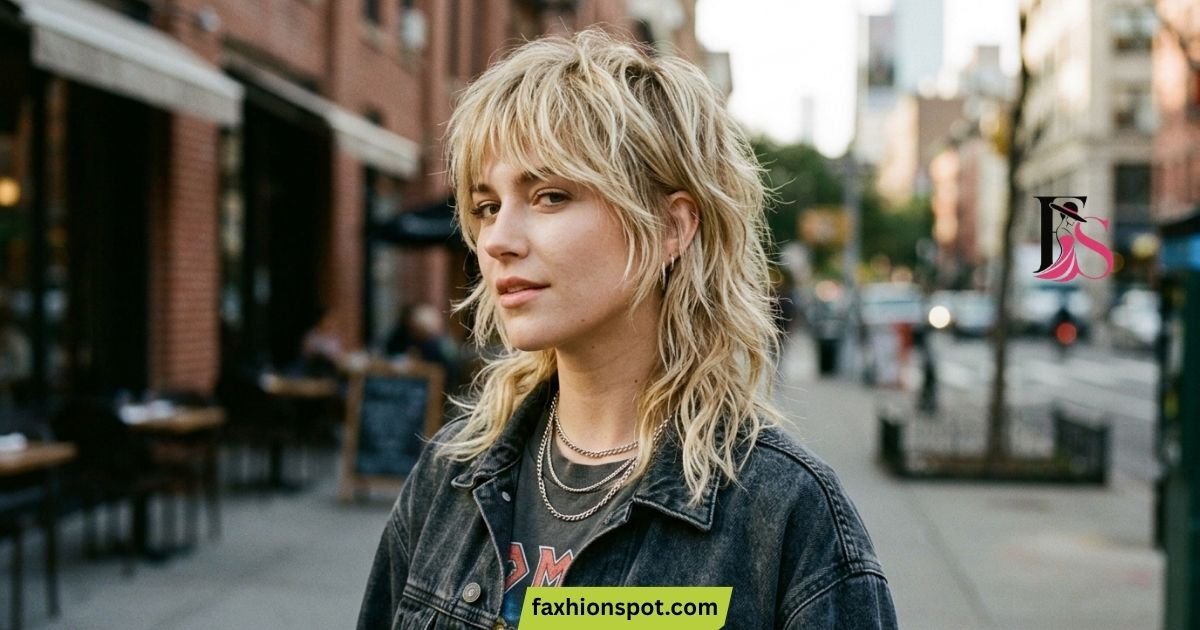
The blonde modern mullet is a bold, versatile hairstyle that combines shorter sides, a textured crown, and longer hair at the back.
From icy platinum and cool ash to warm honey and natural dirty blonde, this haircut offers countless ways to express your personality while maintaining a modern appearance.
This guide explores 39 stylish variations, explains how to choose the most flattering look, and shares practical barbering, styling, and color-care tips to help you maintain your chosen hairstyle.
What Makes This Hairstyle So Popular Today?
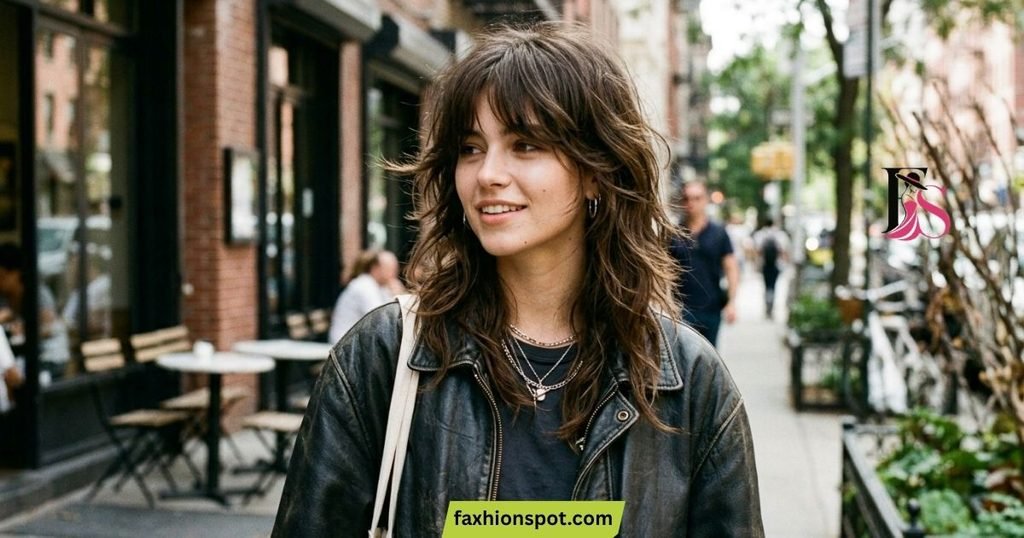
The modern mullet has evolved from its retro roots into a more refined haircut that combines distinctive proportions with contemporary barbering techniques. Instead of leaving the back long without a clear shape, today’s versions use carefully placed layers, fades, tapers, and texture to create a deliberate silhouette.
Blonde coloring adds another dimension. Lighter shades emphasize movement, highlight individual layers, and make textured finishes more noticeable. Darker roots or subtle highlights can also create depth without requiring an all-over bleach.
Several factors explain its continuing appeal:
- Versatility: It can be short and understated or long and dramatic.
- Personalization: The top, sides, fringe, and back can all be customized.
- Texture enhancement: Blonde highlights help reveal waves, curls, and choppy layers.
- Modern barbering: Tapers and fades make the traditional shape feel cleaner.
- Individual expression: Options range from office-friendly cuts to alternative fashion styles.
The most successful versions balance the traditional mullet silhouette with modern shaping, natural movement, and a finish that suits the wearer’s lifestyle.
39 Blonde Modern Mullet Variations
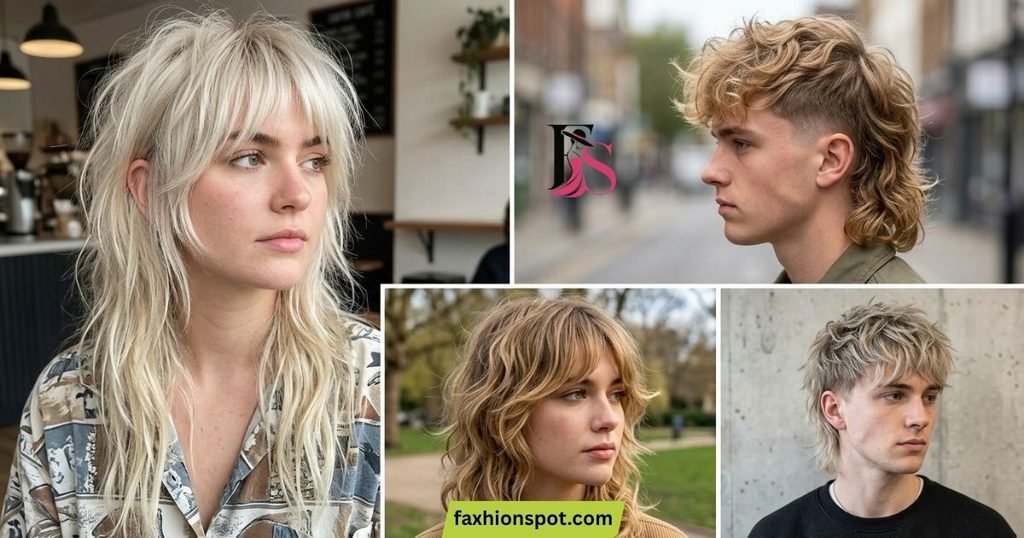
These 39 styles cover different blonde shades, hair textures, lengths, and finishing techniques. Use the descriptions as inspiration and discuss your preferred shape with your barber or stylist.
1. Platinum Sharp Blend Mullet
This striking variation pairs icy platinum blonde with clean sides and a sharply defined transition into the longer back. The bright color makes the haircut’s structure immediately noticeable.
It works especially well with straight or slightly wavy hair. Use a matte styling paste to separate the crown layers, and maintain the blonde tone with suitable color-safe hair products.
2. Ash Tone Precision Mullet
Ash blonde creates a cooler, understated appearance than golden or honey shades. Combined with precise layering and a neatly shaped nape, it produces a contemporary look that feels controlled rather than overly dramatic.
Ask for softly blended sides and a textured crown. This variation suits people who prefer cool-toned color and a polished finish.
3. Honey Smooth Transition Mullet
Honey blonde brings warmth and dimension to the classic mullet silhouette. A smooth transition from the sides through the crown keeps the haircut balanced, while the longer back creates movement.
This is a strong option for anyone who prefers a softer appearance over icy, high-contrast color. Lightweight cream helps maintain natural separation without making the hair stiff.
4. Beige Clean Structure Mullet
Beige blonde sits between cool ash and warm golden tones, offering a neutral finish that complements many styling preferences. Clean edges and controlled layers make the haircut look intentional.
Keep the sides moderately short and the crown connected to the back. A small amount of texture cream adds definition while preserving a natural finish.
5. Low Fade Soft Blonde Mullet
A low fade gradually shortens the hair around the ears and lower sides while leaving more length above. This creates subtle contrast that works well for first-time mullet wearers.
Pair the fade with sandy, beige, or natural blonde coloring. Request a soft transition rather than an extremely high skin fade if you want a more understated result.
6. Taper Blend Modern Mullet
The taper blend keeps the temples and neckline neat without removing too much hair from the sides. It is ideal for people who want the character of a mullet with a relatively restrained outline.
Natural blonde or dark blonde shades help preserve a relaxed appearance. This style also grows out more gently than a very tight fade, although regular shaping remains important.
7. Balanced Neutral Blonde Mullet
Neutral blonde combines balanced tones with an even, well-proportioned haircut. Neither excessively golden nor strongly silver, it offers flexibility for different outfits and occasions.
Ask your stylist to distribute the layers evenly and avoid making the back too thin. A natural finish is the main feature of this variation.
8. Soft Edge Professional Mullet
For a workplace-friendly interpretation, keep the sides blended, the fringe controlled, and the back around the upper neck. The blonde shade can remain natural or feature subtle highlights.
This option suits people who want individuality without an exaggerated silhouette. A light styling cream keeps stray hairs controlled while allowing some movement.
9. Layer Control Mullet
This variation focuses on deliberate layering rather than dramatic fades or extreme color. The crown, sides, and back connect through carefully placed lengths that create a balanced outline.
It is particularly useful for medium-density hair that needs shape without losing too much fullness. Ask the stylist to remove bulk selectively rather than thinning every section.
10. Classic Clean Blonde Mullet
The classic clean version preserves the recognizable short-front, short-side, longer-back silhouette but refines it with modern shaping. Natural blonde or dark blonde color makes the overall result less dramatic.
It is a practical starting point for someone exploring the style for the first time. Keep the back shaped and the sides tidy to prevent the haircut from appearing overgrown.
11. Tousled Texture Blonde Mullet
Tousled layers give the hair an effortless, relaxed appearance. Blonde highlights can make individual strands more visible, especially when the top and crown have natural movement.
Work a small amount of texturizing cream through damp hair, then allow it to air-dry. Avoid excessive brushing after styling, which can flatten the texture.
12. Layer Boost Volume Mullet
This variation emphasizes lift through the crown while preserving a flowing back. It can make fine or flat hair appear fuller when the layers are cut strategically.
A lightweight volumizing mousse helps lift the roots without weighing them down. Keep the back proportionate to the crown so the silhouette does not become overly top-heavy.
13. Wind Flow Blonde Mullet
The wind-flow variation uses directional layers that look as though they have been gently swept backward. It is particularly effective on naturally wavy hair and medium-length tops.
Use your fingers to guide the hair into place while it dries. A flexible-hold product provides movement without making the finish look rigid.
14. Shag Inspired Blonde Mullet
Inspired by the shag haircut, this version features choppy layers, a softer fringe, and a fuller, more connected back. It has a relaxed, alternative appearance rather than the sharply outlined look of a fade-heavy mullet.
It works well with straight, wavy, or loosely curly hair. Ask for texture throughout the crown and back instead of a narrow, disconnected tail.
15. Natural Depth Dirty Blonde Mullet
Dirty blonde combines muted golden and darker tones for a natural-looking finish. The added depth helps the layers remain visible without the maintenance associated with very light platinum color.
This is a sensible option for people who want a blonde appearance without bleaching the hair to its lightest possible level. Subtle highlights can enhance dimension while preserving darker roots.
16. Feather Finish Blonde Mullet
Feathered layers soften the ends and create a flowing shape around the crown and nape. Rather than producing sharp, chunky pieces, the stylist creates lighter sections that move naturally.
A light blow-dry or air-dry styling routine is often enough. A small amount of smoothing serum can reduce frizz and emphasize the feathered finish.
17. Dense Texture Statement Mullet
Designed for thick hair, this variation uses internal layers to control bulk while keeping a strong, visible silhouette. The textured crown adds definition, and the back maintains enough fullness to look deliberate.
Ask your barber to remove weight selectively, particularly around the crown. Over-thinning can make thick hair appear uneven as it grows.
18. Razor Edge Blonde Mullet
Razor-cut detailing gives the hair sharper, more irregular ends. This technique can create an edgy appearance that pairs well with platinum, ash, or sandy blonde.
The finish works best when the stylist considers the hair’s natural density and condition. Severely lightened or fragile hair may benefit from a gentler cutting approach to reduce unnecessary stress on the ends.
19. Wolf Hybrid Blonde Mullet
The wolf hybrid combines a mullet’s longer back with the shaggy layers and crown volume associated with a wolf cut. The result is fuller and more textured than a tightly tapered version.
It suits people who like a slightly untamed appearance. Ask for connected crown layers and a shaped nape so the haircut retains movement without becoming bulky.
20. Free Flow Natural Blonde Mullet
This version keeps the sides relatively natural and emphasizes the flow between the crown and back. It is less dependent on precise fade lines and more focused on length, movement, and soft layering.
Natural dark blonde or sandy blonde tones complement the relaxed shape. It is a good choice if you prefer finger styling over a structured daily routine.
21. Compact Short Blonde Mullet
A compact mullet keeps the nape short and the crown textured, creating a recognizable shape without committing to substantial back length. It is easier to manage than an extended version.
This option works well for active lifestyles and people who want a contemporary cut that is relatively quick to style. Keep the crown connected to the nape for a balanced result.
22. Balanced Medium Blonde Mullet
Medium length offers a useful middle ground between a compact haircut and a dramatic long-back silhouette. There is enough length to show movement without making the style difficult to control.
Ask for a layered crown, softly tapered sides, and a back that follows the shape of your neck. Neutral blonde or beige tones work especially well with this balanced design.
23. Extended Tail Blonde Mullet
This bold variation features a noticeably longer back that extends toward the collar. The contrast between the shorter front and extended tail gives the haircut a distinctive profile.
It requires patience while growing and more attention to conditioning. Request layered ends rather than a single heavy section, which can make the back look flat.
24. Curl Defined Blonde Mullet
Defined curls bring natural volume and movement to the crown and back. A controlled taper around the temples helps keep the shape tidy without removing the curls that give the haircut its character.
Use curl cream on damp hair and allow the curls to dry without repeatedly touching them. If lightening naturally dark curls, consult a professional colorist about protecting curl strength and elasticity.
25. Wave Motion Blonde Mullet
Wavy hair is a natural match for this variation because its bends create movement through the top and longer back. Blonde highlights can emphasize the pattern without needing heavily separated layers.
A light texturizing spray may enhance the waves. Ask the barber to follow your natural growth pattern instead of cutting the sides and back as if the hair were completely straight.
26. Sleek Straight Blonde Mullet
Straight hair showcases the haircut’s outline and color particularly clearly. A sleek version uses controlled layers and smooth styling to produce a clean, defined silhouette.
Apply a small amount of smoothing cream and direct the hair with your fingers or a brush. Avoid excessive heat, especially after bleaching, because chemically treated hair can be more vulnerable to breakage.
27. Texture Perm Blonde Mullet
A texture perm introduces waves or curls for people whose hair naturally lacks movement. Combined with a layered mullet, it creates additional volume through the crown and back.
Perming and bleaching can both stress hair, so avoid combining aggressive chemical services without a professional assessment. Your stylist should evaluate hair condition and determine whether the desired color and texture are realistically achievable.
28. Contrast Disconnect Mullet
This version intentionally creates a more visible difference between the sides and the longer top and back. The disconnection gives the cut a bold, editorial quality.
Platinum blonde amplifies that contrast, while darker roots can add another visual layer. Choose this style if you are comfortable with a statement haircut and more frequent shape maintenance.
29. Fringe Focus Blonde Mullet
A forward fringe makes the front the focal point while the longer back preserves the mullet silhouette. Depending on the desired effect, the fringe can be short and choppy or longer and swept across the forehead.
This variation can help balance a longer face, especially when the fringe adds horizontal visual weight. Ask the stylist to customize its thickness and length to your hairline.
30. Center Curtain Blonde Mullet
The center curtain variation parts the front into two sections, framing the forehead and temples. Its softer front balances the longer back and creates a relaxed, fashion-forward appearance.
It generally benefits from enough length at the front to fall naturally to either side. A lightweight cream helps the curtain pieces stay separated without making them greasy.
31. Bleached Impact Rebel Mullet
This statement look uses very light blonde coloring and deliberately choppy texture. It is suited to people who enjoy alternative fashion and are comfortable with a more noticeable hairstyle.
The color process is the main consideration. Dark hair may require multiple sessions to reach a very pale blonde, and forcing the process can cause substantial damage. A professional colorist should prioritize hair condition over speed.
32. Root Contrast Blonde Mullet
Darker roots transition into blonde lengths, creating depth and a deliberately contrasting color pattern. The natural-looking root area can also make regrowth less obvious than a uniform, very light blonde.
This option is practical for people who want a dimensional color result without frequent root touch-ups. Ask your colorist to blend the transition rather than create an unintended harsh line.
33. Frost Highlighted Tip Mullet
Frosted tips place the lightest color at selected ends while leaving more depth at the roots and throughout the hair. This technique makes the haircut’s texture stand out without requiring a completely blonde finish.
It works particularly well with choppy or spiked layers. A colorist can adjust the amount of lightening to create either a subtle accent or a stronger contrast.
34. Slick Finish Blonde Mullet
The slick finish pushes the front and crown backward for a polished appearance. The longer back retains the haircut’s distinctive outline, while a smooth top creates a clear contrast with the nape.
Use a lightweight pomade or flexible styling cream. Avoid applying too much product, which can flatten the crown and make blonde hair look oily.
35. Gloss Effect Wet Blonde Mullet
This variation creates a glossy, wet-look finish with separated strands and defined layers. It can look particularly striking on platinum or beige blonde hair under bright lighting.
Use a suitable styling gel or gloss cream sparingly. The goal is controlled shine rather than stiff, clumped sections that hide the haircut’s shape.
36. Spiked Crown Blonde Mullet
A spiked crown adds height and a rebellious edge while the back remains longer and layered. The effect is strongest when the crown is cut into short, defined pieces.
Matte clay or a lightweight texturizing paste can create separation. Use only enough product to hold the spikes, keeping the ends flexible rather than excessively stiff.
37. Undercut Contrast Mullet
The undercut variation keeps the sides much shorter than the upper hair, producing a pronounced separation between the top and the back. It creates a dramatic silhouette that looks particularly distinctive with light blonde color.
Because the contrast is intentional, regrowth becomes noticeable quickly. Discuss how high the undercut should sit and how much length you want to retain before the barber starts cutting.
38. Minimal Modern Blonde Mullet
A minimalist version keeps the mullet’s signature shape but reduces the drama. The sides are softly tapered, the crown remains controlled, and the back is kept relatively short.
It is an appealing choice for anyone who wants to experiment with the style without committing to a bold tail or a high-contrast bleach job. Natural blonde tones reinforce its understated character.
39. Curved Drop Shape Mullet
A curved drop shape follows the natural contour behind the ears, allowing the sides to transition smoothly into the longer back. This creates a rounded, connected silhouette rather than a flat line around the head.
It works with straight, wavy, and curly hair when the barber adapts the curve to the natural growth pattern. Explain your preferred shape clearly so the final result looks balanced from every angle.
Smart Selection Guide for the Right Look
Choosing the right cut involves more than picking a blonde shade from a photograph. Hair density, natural texture, face shape, maintenance habits, and color history all affect the final result.
Match the haircut to your hair type
| Hair type | Recommended variation | Styling priority |
| Straight | Sleek Straight or Layer Control | Add texture and avoid flatness |
| Wavy | Wave Motion or Wind Flow | Enhance natural movement |
| Curly | Curl Defined or Wolf Hybrid | Preserve curl shape and control bulk |
| Thick | Dense Texture or Razor Edge | Remove weight strategically |
| Fine | Compact Short or Layer Boost Volume | Create lift without excessive thinning |
| Coarse | Taper Blend or Balanced Medium | Maintain a manageable outline |
Choose a blonde shade that suits your preferences
- Platinum blonde: A dramatic, high-contrast finish that usually requires significant lightening.
- Ash blonde: A cool, muted tone that works well with modern, precise cuts.
- Honey blonde: A warmer shade that creates softness and dimension.
- Beige blonde: A balanced neutral option for a refined appearance.
- Dirty blonde: A natural-looking shade with darker depth and generally less visible regrowth.
- Rooted blonde: A dimensional finish that blends darker roots with lighter lengths.
Your natural color, previous dye treatments, and hair condition influence how achievable a particular shade will be. Ask a professional colorist for an assessment before committing to platinum or other very light colors.
Consider your face shape
Round face: Consider a textured crown with moderate height and softly tapered sides. Avoid excessive width around the temples if you want a more elongated appearance.
Square face: Choppy layers and a softer fringe can complement a defined jawline. A low taper or connected shag creates a less rigid outline.
Oval face: Many variations work well, from compact cuts to longer, flowing backs. Choose according to your hair texture and preferred level of contrast.
Heart-shaped or longer face: Try a soft fringe and balanced side volume. Avoid excessive crown height if it makes your face appear longer than you prefer.
These are starting points, not strict rules. Your hairline, head shape, and natural growth pattern matter just as much as face shape.
Use this quick comparison before deciding
| Style category | Visual effect | Maintenance |
| Low fade or taper | Clean, understated | Moderate |
| Platinum or bleached | Bright, high-impact | High |
| Shag or wolf hybrid | Loose, layered, alternative | Moderate |
| Curly or wavy | Natural volume and movement | Depends on texture |
| Short or minimalist | Compact and practical | Low to moderate |
| Long or disconnected | Dramatic contrast | Moderate to high |
Professional Styling Approach for Best Results
A well-executed haircut starts with a clear consultation. Bring reference photos if available and explain what you want the style to look like from the front, sides, and back.
What to tell your barber
Use this simple request as a starting point:
“I want a modern mullet with a textured crown, clean but blended sides, and a longer back that follows my natural hair pattern. Keep the transitions soft, customize the length to my face shape, and leave enough texture for everyday styling.”
Then clarify three details:
- Side treatment: Decide between a scissor blend, low taper, low fade, or more dramatic undercut.
- Back length: Specify whether you want a short nape, medium flow, or a longer tail.
- Color finish: Bring a separate reference for platinum, ash, honey, beige, or rooted blonde.
How to style it at home
- Start with clean, damp hair. Gently towel-dry it rather than rubbing vigorously, especially if it has been bleached.
- Apply a suitable product. Choose texture spray for a piecey finish, mousse for root lift, curl cream for curls, or smoothing cream for straight hair.
- Shape the crown. Use your fingers to create direction and separate the layers without flattening them.
- Work through the back. Encourage the longer sections to follow their natural flow rather than letting them hang without shape.
- Finish lightly. Use a flexible-hold product when necessary, avoiding heavy application that removes movement.
You do not need to use a blow-dryer every day. Air-drying can work well for natural waves and curls, while a low-heat dryer with heat protection may help control straight or thick hair.
Long-Term Hair Health & Color Protection
Blonde coloring can transform a haircut, but lightening removes some of the hair’s natural pigment and can weaken its structure. The risk depends on the starting shade, chemical process, processing time, and existing hair condition.
A good care routine protects both the color and the shape.
Essential maintenance habits
- Use color-safe shampoo: Choose a gentle formula that cleans without unnecessarily stripping the color.
- Condition regularly: Apply conditioner to the lengths and ends to improve softness and manageability.
- Use purple shampoo selectively: It can help neutralize unwanted yellow tones in suitable blonde shades, but excessive use may leave hair dull or purple-tinged.
- Limit heat exposure: Keep hot tools at a moderate setting and apply heat protectant before styling.
- Schedule trims: Remove damaged ends and maintain the mullet’s proportions.
- Protect hair from the sun: A suitable UV-protective hair product or a hat can help limit environmental fading and dryness.
- Avoid overlapping chemical services: Discuss bleaching, coloring, and perming with a qualified professional before combining treatments.
Click Here To Read Another Topic
How often should you refresh the cut and color?
| Maintenance task | Practical starting interval |
| Tight fade or undercut touch-up | Every 2–4 weeks |
| Taper or overall shape refresh | Every 4–6 weeks |
| Layer and back-length trim | Every 6–8 weeks, as needed |
| Root-color appointment | Often around 4–8 weeks, depending on regrowth and technique |
| Deep conditioning treatment | As needed, following product directions |
These are general estimates rather than fixed schedules. A softer taper can grow out comfortably for longer, while a sharp fade may need attention sooner. Rooted blonde can also allow more flexibility between color appointments than a uniform platinum finish.
If your hair becomes unusually stretchy when wet, starts breaking, or feels persistently rough after lightening, pause further chemical processing and consult a professional.
FAQs – Blonde Modern Mullet
Is a blonde modern mullet suitable for all hair types?
Yes, it can be adapted for straight, wavy, curly, and thick hair. The best version depends on your natural texture, density, face shape, and preferred maintenance routine.
How often should I trim a modern mullet?
Most styles benefit from a shape refresh every 4–6 weeks. Tight fades may need touch-ups every 2–4 weeks, while softer, longer styles can often go longer.
Does blonde color damage hair in a mullet cut?
Bleaching can weaken hair and increase dryness or breakage, particularly when lifting dark hair to platinum. Professional color assessment, conditioning, and careful processing help reduce the risk.
Can I style a mullet without heat tools?
Yes. Air-drying with texturizing spray, curl cream, or lightweight styling cream can create natural movement without a blow-dryer or straightener.
Is the modern mullet professional enough for work?
Yes, depending on your workplace. A low taper, controlled fringe, neutral blonde shade, and shorter back create a more understated version than a dramatic undercut or vivid platinum finish.
Conclusion
The blonde modern mullet offers a wide range of possibilities, from clean, professional cuts to bold, textured hairstyles with dramatic color contrast.
The right choice depends on how you want your hair to move, how much length you prefer at the back, and how much time you are willing to spend on styling and color maintenance.
For a subtle introduction, consider a low fade, taper blend, or minimalist variation in natural blonde. If you prefer a more expressive look, explore platinum coloring, a wolf-cut hybrid, defined curls, or a disconnected silhouette.
1 thought on “Blonde Modern Mullet: 39 Stylish Variations to Try in 2026”