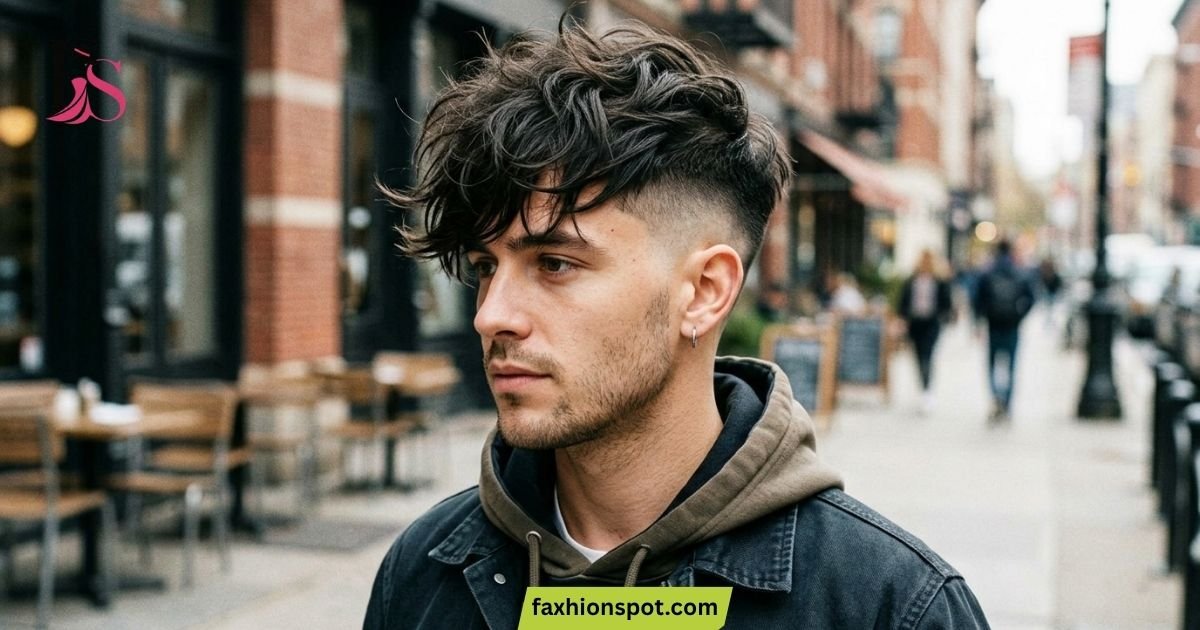
The reverse mullet haircut is a bold choice for men who want a modern hairstyle with personality, texture, and a distinctive shape.
Unlike a traditional mullet, which keeps the hair longer at the back, this contemporary variation emphasizes the front with a longer fringe while maintaining a shorter, cleaner back..
This guide explores the best styles, explains how to choose the right version for your hair type, and shares practical tips for styling and maintenance.
What Is a Reverse Mullet?
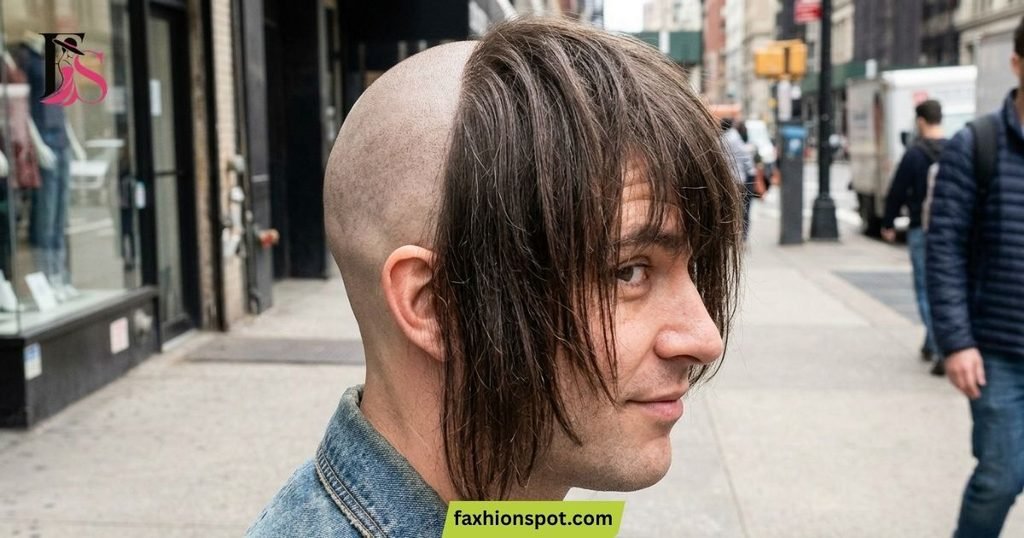
A reverse mullet is a hairstyle that reverses the traditional mullet’s length pattern. Instead of keeping the back long and the front relatively short, it places the most noticeable length around the forehead, fringe, and front sections while keeping the back shorter.
The sides may be tapered, faded, undercut, or left fuller, depending on the desired appearance. Some versions feature long bangs that fall toward the eyebrows, while others use curtain-style sections that frame the face.
The main characteristics include:
- Longer front: Creates movement and draws attention toward the face.
- Shorter back: Produces a clean, distinctive silhouette.
- Customizable sides: Allows anything from a natural scissor cut to a sharp skin fade.
- Flexible texture: Works with straight, wavy, and curly hair when properly shaped.
- Personal styling: Can look clean, relaxed, alternative, punk-inspired, or fashion-forward.
The term is also associated with the tellum or frullet. However, naming conventions vary, so showing your barber a reference photo is the easiest way to communicate the exact shape you want.
Why Is the Reverse Mullet Trending in 2026?
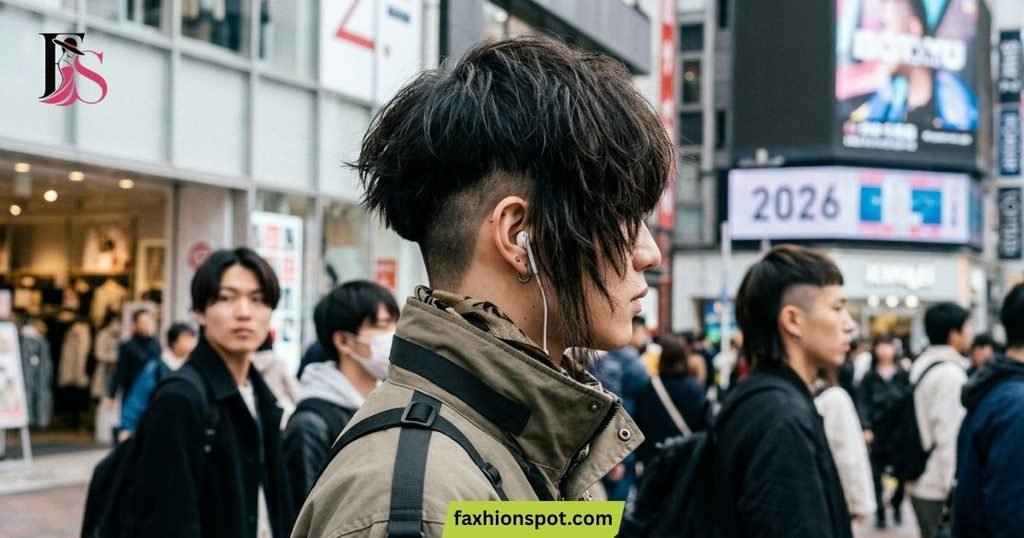
Men’s hairstyles in 2026 continue to embrace individuality, visible texture, and cuts that can be personalized. The appeal of this style comes from its unusual proportions: the front becomes the focal point, while the shorter back keeps the overall shape distinctive.
Social media, alternative fashion, Korean-inspired hairstyles, and renewed interest in layered haircuts have helped make experimental silhouettes more visible. The style also provides plenty of room for personal expression without requiring every version to look extreme.
Another reason for its appeal is versatility. A soft fringe with a tapered neckline can appear relatively understated, while a dramatic undercut, vivid color, or spiky finish creates a much bolder result.
Key Benefits of a Reverse Mullet
- Distinctive appearance: Offers an alternative to conventional short-back-and-sides haircuts.
- Multiple styling options: The front can be swept aside, parted in the middle, worn forward, or lifted for volume.
- Texture-friendly design: Layers can help straight hair look fuller and curly hair look more defined.
- Personal customization: Fades, highlights, undercuts, and asymmetrical fringes change the overall character.
- Adaptable length: You can choose a shorter, easier-to-manage version or grow the front for a dramatic effect.
One important consideration is that longer front sections may need daily styling. The shorter back can also require frequent barber visits if you want to maintain a very sharp finish.
Classic Reverse Mullet
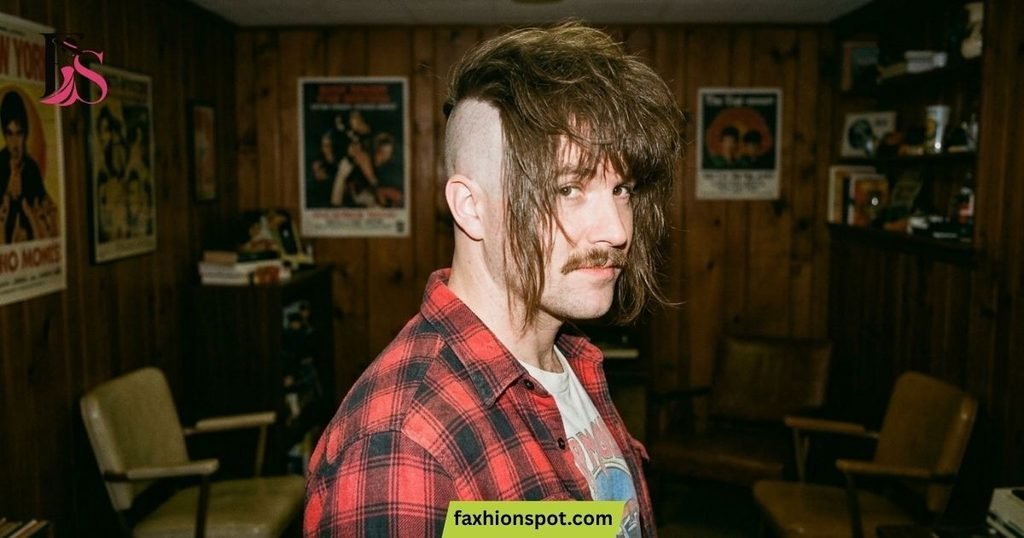
The classic version keeps the front noticeably longer than the rear without adding too many decorative details. A fringe falls toward the forehead, the crown transitions naturally into the shorter back, and the sides retain enough softness to connect the sections.
This is a sensible starting point for men trying the shape for the first time. It delivers the defining contrast without requiring extreme colors, shaved designs, or an aggressively disconnected cut.
Ask your barber for a longer front fringe, a shorter nape, and balanced layers that connect the top and sides. The exact lengths should depend on your hair density and how you want the fringe to sit.
Textured Reverse Mullet
A textured version uses point-cut layers and separated strands to create a deliberately relaxed finish. Instead of appearing flat or perfectly smooth, the front has visible movement and an irregular edge.
This variation works particularly well for men with medium or thick hair. A matte styling clay or lightweight texturizing paste can separate the fringe without making it look excessively greasy.
For a natural finish, ask your barber to remove bulk selectively rather than thinning every section. Excessive thinning can make the front look sparse and difficult to style.
Reverse Mullet Fade
A fade introduces a gradual transition from very short hair near the ears and neckline to slightly longer hair higher on the sides. The front remains the main feature, creating a contrast between the fringe and the clean finish behind it.
A low fade provides a subtle result, while a mid or high fade creates a more dramatic appearance. A skin fade offers the sharpest contrast but requires more frequent maintenance.
This option is especially useful if you prefer modern barbering techniques. Ask for the fade to complement the front length instead of allowing the sides to become disconnected unintentionally.
Curly Reverse Mullet
Natural curls add volume, definition, and movement to the front sections. The shorter back keeps the silhouette controlled, while the curls create a softer outline around the forehead and temples.
The best approach is to cut the hair according to its natural curl pattern. Curls can shrink significantly as they dry, so your barber should consider the finished length rather than judging the shape only when the hair is wet.
Use a curl cream or lightweight leave-in product to reduce frizz and define individual curls. Avoid brushing dry curls aggressively, as this can create unwanted volume and disrupt their shape.
Trendy Reverse Mullet for Men 2026
The most interesting variations combine the traditional inverted silhouette with modern details. Curtain fringes, disconnected sides, soft layers, and subtle color treatments allow men to personalize the cut without following a single rigid formula.
For an everyday look, choose a natural fringe with a low taper. If you prefer something more expressive, experiment with choppy layers, a stronger fade, or a longer front that falls toward the cheekbones.
The best choice is the one that complements your hair’s natural behavior and fits your daily routine. A dramatic editorial look may require more effort than a relaxed, textured version.
Long Reverse Mullet
A longer version keeps substantial length in the fringe and front sections, sometimes extending toward the cheekbones. The back remains shorter, producing a pronounced contrast that makes the hairstyle immediately recognizable.
This cut suits men who enjoy expressive, alternative, or fashion-forward looks. Longer front pieces can be worn loose, swept to one side, or divided into a middle part.
Regular layering helps prevent the front from becoming heavy and shapeless. If your hair is thick, ask for carefully placed internal layers that preserve fullness while improving movement.
Short Reverse Mullet
The short variation offers a more practical interpretation of the style. The fringe remains longer than the back, but the overall difference is restrained enough to create a compact, easy-to-manage haircut.
It is a useful option for students, active men, and anyone who prefers a quick morning routine. A short textured fringe can be arranged with the fingers, while a subtle taper keeps the neckline tidy.
Choose a slightly longer top if you want more flexibility. Extremely short front sections may limit the distinctive appearance that separates this cut from an ordinary crop.
Wavy Reverse Mullet
Wavy hair naturally creates movement, making it a strong choice for this shape. The front can form loose bends that frame the forehead, while the shorter back prevents the overall haircut from becoming too bulky.
A layered cut helps waves fall naturally instead of forming an uneven mass. For a relaxed finish, apply a small amount of texturizing spray to damp hair and allow it to air-dry or use a diffuser on a low setting.
Men with strong waves should avoid cutting the fringe too short without checking how it springs upward when dry. Keeping extra length initially provides room for adjustments.
Shaggy Reverse Mullet
The shaggy version emphasizes loose layers, uneven texture, and a slightly undone appearance. Rather than relying on crisp lines, it uses movement and softness to create a casual, alternative aesthetic.
It can be particularly effective for medium-length hair with natural waves. The fringe may fall across the forehead, while separated layers around the temples add depth.
Use a lightweight styling cream to maintain the relaxed finish. Avoid heavy waxes that cause the layers to stick together and make the hair appear greasy.
Reverse Mullet with Bangs
Bangs are one of the easiest ways to personalize this haircut. They can be blunt, wispy, choppy, side-swept, or cut into separated pieces that sit naturally across the forehead.
A fuller fringe creates a strong visual statement, while softer bangs offer a more understated result. The right option depends on your forehead, hair density, and willingness to style the front each morning.
Tell your barber where you want the bangs to finish when dry. A fringe that looks appropriate while wet may become shorter after drying, especially when the hair has natural waves or curls.
Undercut Reverse Mullet
An undercut creates a stronger separation between the longer upper sections and the shorter sides and back. The front remains full, while the closely clipped lower sections emphasize the haircut’s unusual proportions.
This is a good option for men who want a bold, alternative appearance. It can be paired with a long fringe, a middle part, or a swept-forward top.
The main drawback is the visible grow-out line. If you want the hairstyle to remain sharp, schedule regular touch-ups and discuss how the undercut should connect to the crown.
Modern Reverse Mullet
A modern version balances the front length with a cleaner outline and more deliberate layering. Instead of creating an exaggerated contrast everywhere, the barber shapes the fringe, crown, sides, and nape to work together.
A low taper and softly textured fringe provide a wearable combination. Men who want a stronger statement can add a higher fade, more prominent layers, or an asymmetrical front.
This variation is ideal if you like contemporary hairstyles but do not want a highly theatrical finish. The focus should remain on proportion, movement, and a clean overall shape.
Layered Reverse Mullet
Layers help the hair move naturally and prevent longer front sections from becoming too heavy. They can also improve the appearance of thick hair by removing excess bulk without eliminating the overall length.
Shorter internal layers create lift, while longer outer layers preserve the shape around the face. The barber should adapt the technique to your texture rather than applying the same layering pattern to every head shape.
For a softer appearance, choose blended layers. For a more dramatic style, ask for visible separation and a choppier fringe.
Reverse Mullet for Straight Hair
Straight hair makes the shape and direction of the cut especially visible. A clean fringe can create a sharp outline, while layered sections introduce movement that naturally straight hair may lack.
Men with straight hair can choose a sleek middle part, a side-swept fringe, or a textured forward style. A lightweight blow-dry product can help direct the front without making it stiff.
If your hair tends to fall flat, ask for subtle internal layers rather than excessive thinning. A small amount of root lift can improve the shape while keeping the finish natural.
Reverse Mullet for Thick Hair
Thick hair provides plenty of volume, but it can become bulky around the forehead and temples. Strategic layering helps distribute that density and makes the front easier to control.
A textured fringe paired with tapered sides can create a balanced appearance. Men who prefer a dramatic look can retain more volume at the front while keeping the rear closely cropped.
Use a lightweight cream or matte paste to define the strands. Avoid applying too much product at the roots, where it may weigh down the hairstyle or make the hair appear greasy.
Reverse Mullet for Fine Hair
Fine hair benefits from a shape that creates the impression of fullness without removing too much density. A shorter, lightly layered fringe can make the front appear more substantial than a heavily thinned or excessively long version.
A scissor-cut back or subtle taper can also help preserve a natural transition. Avoid overly aggressive undercuts if they make the upper hair appear disproportionately thin.
For styling, apply a small amount of volumizing mousse before blow-drying. Direct the roots upward or forward, then finish with a lightweight matte product instead of a heavy pomade.
Reverse Mullet with Taper Fade
A taper fade gradually shortens the hair around the sideburns and neckline while leaving more length through the upper sides. Compared with a high skin fade, it often creates a softer and more understated finish.
This combination is suitable for men who want the distinctive front-heavy silhouette without excessive contrast. It also works well with a natural fringe, curtain bangs, and textured layers.
Ask your barber for a low or mid taper that follows your head shape. Specify whether you want the neckline softly blended or sharply outlined so the finish matches your preferred maintenance routine.
Punk Reverse Mullet
The punk version embraces strong contrast, dramatic fringe length, and a deliberately rebellious finish. Spiky sections, choppy layers, shaved sides, and vivid colors can all contribute to its appearance.
A longer fringe can fall across one eye or be swept sharply to one side. The back may feature short spikes or a tightly clipped neckline to emphasize the contrast.
This style is less about perfect symmetry and more about personal expression. Bring reference photos to your appointment and discuss how much length you want to preserve before committing to a dramatic cut.
Messy Reverse Mullet
A messy version uses relaxed styling rather than a precisely arranged finish. The front may fall in several directions, while the shorter back keeps the haircut from looking completely unstructured.
It is particularly suitable for men who prefer an effortless, casual appearance. The barber can add point-cut layers and a slightly irregular fringe to support the natural texture.
To style it, work a small amount of matte paste through dry or slightly damp hair. Use your fingers to separate the strands and avoid repeatedly combing them into place.
Reverse Mullet with Highlights
Highlights add dimension by creating subtle or noticeable differences in color. They can emphasize the fringe, bring attention to the layers, or create contrast between the front and shorter rear sections.
Caramel, ash brown, honey blonde, and platinum accents are possible options, depending on your natural color and preferred result. Subtle highlights offer a more restrained finish, while chunky contrasting streaks produce a stronger alternative look.
Color placement matters as much as the shade. Ask your stylist to position the lighter sections where they will enhance the haircut’s shape rather than create an uneven appearance.
Asian Reverse Mullet
Asian-inspired variations often incorporate straight or slightly wavy hair, a longer top, and a clean two-block or tapered structure. The fringe may be worn as a center part, comma shape, or softly textured forward section.
This version can create a polished appearance while retaining the distinctive front-heavy proportions. It works particularly well when the barber considers hair density and natural growth direction.
For a softer finish, choose scissor blending and light layers. For a more defined look, combine the top with a neat undercut or low taper.
Reverse Mullet Wolf Cut
A wolf-cut variation combines shaggy layers with the inverted length pattern. The front and upper sections remain prominent, while the back is shaped shorter rather than left long like a conventional wolf cut.
The result has plenty of texture and movement. It is particularly appealing for medium-length hair that naturally forms waves or loose curls.
Ask for layers that create lift around the crown without making the fringe excessively thin. The goal is a deliberately layered silhouette, not an uneven cut that loses its shape after a few weeks.
Reverse Mullet with Curtain Bangs
Curtain bangs divide the front into two sections, allowing the hair to fall to either side of the forehead. This creates a softer frame than a heavy, straight fringe.
The style suits men with enough front length to form a natural middle part. It can be worn sleek for a polished appearance or lightly textured for a relaxed, contemporary finish.
Use a blow-dryer and a small round brush to guide each side away from the center. A lightweight styling cream can help control flyaways without flattening the front.
Edgy Reverse Mullet
An edgy variation focuses on contrast and distinctive details. Asymmetrical bangs, disconnected sections, sharp fades, and angular layers can make the haircut appear more dramatic.
This approach works best when the details complement one another. Too many competing features can make the cut look unbalanced, so decide whether the fringe, fade, or color should be the main focal point.
For a strong result, bring two or three reference photos that show the front and side profiles. This helps your barber understand the proportions you want rather than simply copying one isolated detail.
Colored Reverse Mullet
Color can transform the entire appearance of the haircut. Natural-looking brown and blonde shades create subtle dimension, while red, blue, green, silver, or contrasting two-tone treatments produce a more expressive finish.
You can color only the fringe, add streaks through the front, or create a different shade around the shorter back. The choice depends on your workplace, personal style, and willingness to maintain the color.
Bleaching and vivid dyes may require additional conditioning and careful aftercare. Consult a qualified colorist if you plan to make a significant change, especially when starting with dark hair.
Reverse Mullet with Soft Layers
Soft layers create a smoother transition between the longer front and shorter back. Instead of relying on sharp disconnections, this version uses gradual shaping to maintain movement and balance.
It is a good choice for men who want an expressive hairstyle that remains relatively understated. The fringe can be worn forward, parted, or swept to the side without making the cut appear too severe.
Ask for blended layers and a natural neckline. This approach can also make the grow-out phase more manageable because the sections do not depend entirely on sharply defined lines.
Does a Reverse Mullet Work with Curly Hair?
Yes. Curly hair can work very well because its natural volume gives the front sections definition and movement. The important part is accounting for shrinkage, curl density, and how the hair falls when dry.
Choose a barber experienced with curls, keep the fringe long enough to accommodate spring-back, and use a curl cream or lightweight leave-in conditioner. The back can be tapered or closely clipped according to your preference.
How to Style a Reverse Mullet
Styling begins with understanding how your hair naturally falls. Some men need only a little product and finger-combing, while others benefit from blow-drying to create lift or control the fringe.
Follow these steps for a consistent finish:
- Wash or lightly dampen your hair, using conditioner when appropriate for your texture.
- Apply a suitable styling product in a small amount.
- Direct the front into your preferred shape using your fingers, a comb, or a brush.
- Blow-dry on a moderate or low setting if you need extra volume or direction.
- Finish with a light-hold product to control flyaways without making the hair stiff.
The best routine should enhance your natural texture instead of forcing your hair into a shape it cannot comfortably hold.
Use a Texturizing Product
Texturizing spray, matte paste, or lightweight styling cream can help separate strands and improve definition. Choose the product according to your hair type: fine hair usually needs a lighter formula, while thick hair may benefit from a slightly stronger hold.
Start with a small amount and add more only if necessary. Excess product can flatten the fringe, create buildup, and make the hairstyle look greasy.
Add Volume
Volume can make the front appear fuller and give the cut a more deliberate silhouette. Apply a lightweight mousse or volumizing spray to damp roots, then blow-dry in the direction you want the hair to sit.
A round brush can help lift the front, while a diffuser is useful for preserving curls and waves. Avoid excessive heat, and use a heat protectant when blow-drying regularly.
Click Here To Read Another Topic
Maintain Regular Trims
Maintenance depends on the length, fade, and degree of contrast. A sharp fade may need attention every two to three weeks, while a softer scissor-cut version can often go longer between appointments.
As a general starting point, schedule a shape-maintenance appointment every four to eight weeks. Your barber can adjust this interval based on how quickly your hair grows and how precise you want the outline to remain.
Between visits, avoid trimming the fringe yourself unless you are comfortable managing its shape. Small changes to the front can significantly affect the balance of the entire haircut.
FAQs – Reverse Mullet Haircut
What is a reverse mullet?
It is a hairstyle that keeps the front longer and more prominent while cutting the back shorter, reversing the length pattern of a traditional mullet.
Does a reverse mullet work for all hair types?
It can be adapted for straight, wavy, and curly hair, as well as fine or thick textures, with suitable layering and styling techniques.
Is the reverse mullet suitable for men?
Yes. It offers men a customizable hairstyle that can range from subtle and polished to bold, alternative, or punk-inspired.
How often should a reverse mullet be trimmed?
Most men can start with appointments every four to eight weeks, while sharp fades may require touch-ups every two to three weeks.
What face shape suits a reverse mullet best?
Oval faces are versatile, but round, square, heart, diamond, and long faces can also suit it when the fringe length, volume, and side shape are adjusted appropriately.
Conclusion
The reverse mullet haircut gives men a distinctive way to experiment with length, texture, and personal style in 2026.
Its longer front and shorter back create a recognizable silhouette, while fades, curtain bangs, soft layers, undercuts, and color treatments offer plenty of room for customization.
With thoughtful proportions and consistent grooming, this hairstyle can feel modern, expressive, and genuinely personal rather than simply following a passing trend.