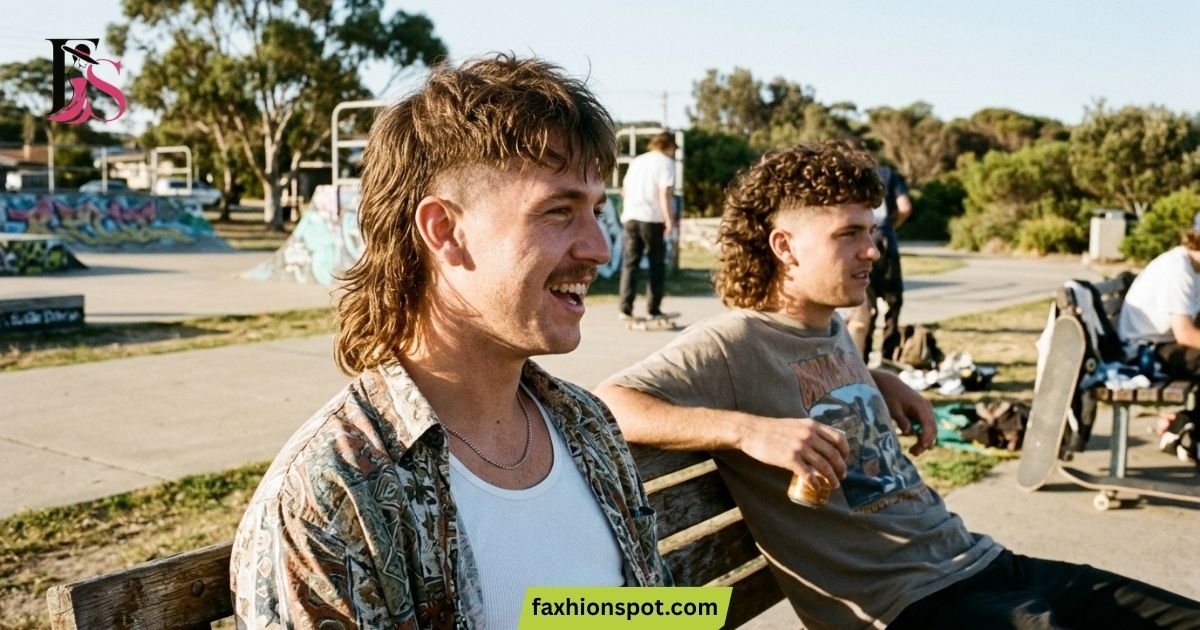
Australian mullet haircuts have become a popular choice for men who want a distinctive hairstyle with personality, texture, and modern barbering.
Combining shorter sides with a longer back, this iconic look offers everything from relaxed, classic shapes to sharp fades and messy, textured finishes.
In this guide, you will discover 20 modern Australian mullet styles, learn how to choose the right cut for your face shape, and find practical styling and maintenance tips to keep your haircut looking fresh throughout 2026.
Why Are Australian Mullet Haircuts So Popular?
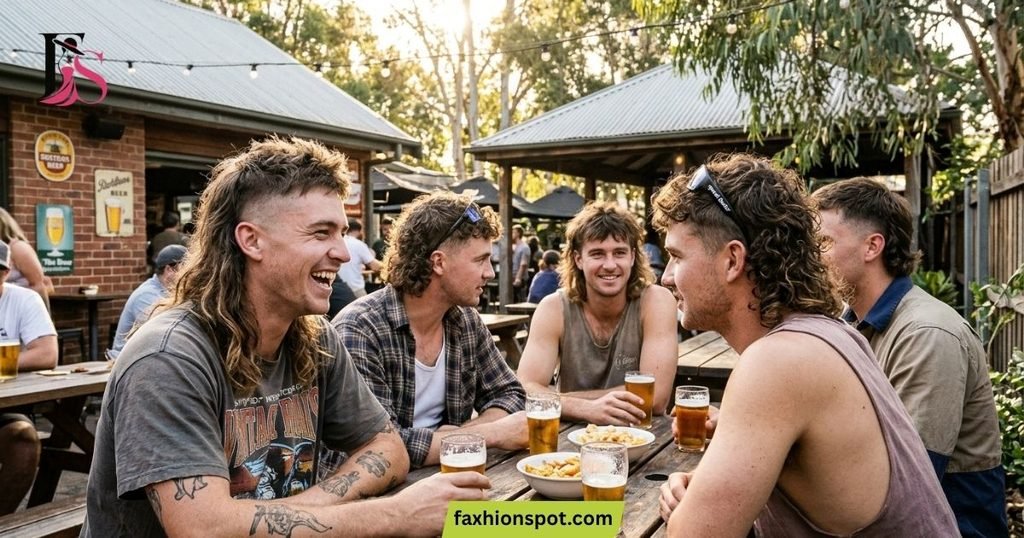
The Australian mullet is closely associated with relaxed fashion, sporting culture, and a confident, laid-back attitude. Its modern revival has introduced cleaner fades, softer layers, textured tops, and more carefully shaped backs.
Unlike some traditional versions, today’s mullets can look subtle, professional, or bold depending on the length and contrast. This versatility makes them suitable for different ages, lifestyles, and hair types.
Social media and contemporary barbers have also helped popularize variations such as the burst fade mullet, textured mullet, and curly mullet. Each offers a different appearance while maintaining the recognizable longer-back silhouette.
Key Benefits of an Australian Mullet
- Versatile styling: Choose a classic, messy, faded, or layered finish.
- Works with natural texture: Straight, wavy, and curly hair can all suit this haircut.
- Personalized appearance: Adjust the fringe, fade height, and back length to create your preferred look.
- Distinctive silhouette: The longer back adds character without requiring long hair everywhere.
- Flexible maintenance: Shorter versions can be relatively easy to manage with regular trims.
How to Choose the Right Australian Mullet
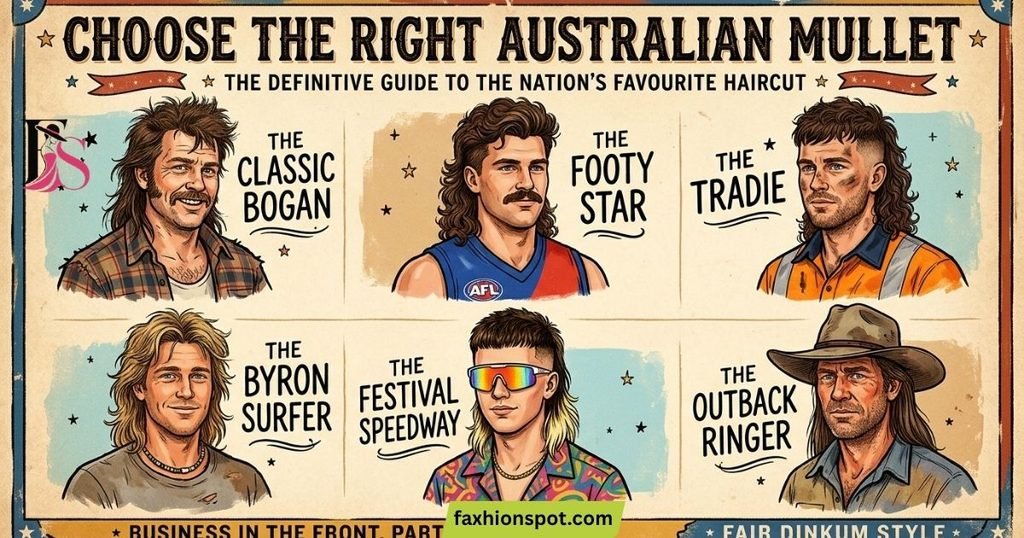
The best haircut depends on more than current trends. Consider your face shape, hair density, natural texture, daily routine, and how dramatic you want the finished style to look.
Bring reference pictures to your barber and show the front, side, and back views. Explain how much length you want to preserve at the nape and whether you prefer a soft taper or a noticeable fade.
Face Shape
| Face shape | Recommended style | Why it works |
| Oval | Classic or textured mullet | Balanced proportions suit many variations. |
| Round | Textured or high-fade mullet | Added height and tighter sides can create a longer appearance. |
| Square | Taper fade or wavy mullet | Texture can soften strong facial angles. |
| Long | Fringe or shaggy mullet | Forward movement and side volume can balance facial proportions. |
| Heart-shaped | Layered or curly mullet | Fuller sides and a softer back can balance a narrower chin. |
These are starting points rather than strict rules. Your preferred length and natural hair growth can influence the final result.
Hair Type
Straight hair: Layers and point-cutting help prevent the top and back from looking flat.
Wavy hair: A medium-length, textured cut allows natural waves to create movement without excessive styling.
Curly hair: Keeping sufficient length through the crown and back lets curls form a balanced silhouette.
Thick hair: Strategic weight removal helps control bulk around the sides and neckline.
Fine hair: A shorter, connected mullet with light texture can create the appearance of fullness without over-thinning.
20 Australian Mullet Haircuts
The following styles offer different combinations of length, texture, and side detailing. Choose the variation that matches your hair type and desired level of contrast.
Classic Australian Mullet Haircuts
The classic version features shorter front and side sections with a noticeably longer back. It has a relaxed, traditional appearance and works particularly well with straight or naturally wavy hair.
Ask your barber to preserve some natural fullness around the sides and blend the crown gradually into the back. This is a good choice if you prefer a recognizable mullet without an aggressive skin fade.
Modern Australian Mullet Haircuts
A modern mullet combines the familiar longer back with controlled layers, a textured top, and a cleaner outline. The result feels more deliberate and adaptable than an unshaped, grown-out haircut.
Keep the back around the upper neck for a subtle finish or extend it farther for a bolder silhouette. A matte styling product helps maintain movement without creating excessive shine.
Taper Fade Australian Mullet
This variation keeps the temples, sideburns, and neckline neat while preserving more natural hair around the sides. The gradual taper creates a clean finish without removing too much fullness.
It is an excellent option for first-time mullet wearers who want a modern look that remains relatively understated.
Burst Fade Australian Mullet
The burst fade curves around the ears, creating a semicircular fade while leaving the back longer. This contrast highlights the shape of the haircut and gives it a sharper, more contemporary appearance.
Ask for a controlled burst fade that follows your head shape. It works particularly well with textured tops, curly hair, and short fringes.
Low Fade Australian Mullet
A low fade starts near the ears and lower sides, keeping the upper sections fuller. This creates a balanced transition between the top, sides, and longer back.
Choose this version if you want a clean outline without exposing too much scalp. It pairs well with straight, wavy, and moderately curly hair.
High Fade Australian Mullet
A high fade removes more hair from the upper sides, creating stronger contrast with the crown and back. It produces a bold appearance that emphasizes the shape of the haircut.
Because the transition is more noticeable, ask your barber to preserve enough width through the crown so the back does not look disconnected.
Textured Australian Mullet
This style uses choppy layers and point-cutting to create separation and natural movement. The top can be worn forward, lifted slightly, or pushed to one side.
It is especially suitable for men who prefer an effortless finish rather than perfectly smooth styling. A small amount of matte clay can define the layers without weighing them down.
Curly Australian Mullet
Natural curls add volume and character through the crown and back. Keeping the sides shorter helps establish the mullet shape while allowing the curls to remain the main feature.
Use a curl cream or lightweight leave-in styling product to improve definition. Your barber should work with your curl pattern instead of removing too much length from the back.
Wavy Australian Mullet
Wavy hair gives this haircut a relaxed, flowing appearance. Soft layers connect the top and back, while a subtle taper or fade keeps the sides controlled.
A lightweight sea salt spray can enhance natural movement. Avoid excessive product because heavy formulas may flatten the waves and make the style look greasy.
Shaggy Australian Mullet
The shaggy variation features uneven-looking layers, a relaxed fringe, and a fuller back. It creates an intentionally casual appearance with plenty of movement.
This style works well for medium-length hair and people who enjoy a less polished finish. Regular shaping is still important to prevent the layers from becoming bulky.
Short Australian Mullet
A short mullet keeps the back relatively close to the neck while maintaining a clear difference between the front, sides, and rear. It is a practical option for beginners or anyone who prefers shorter hair.
Pair it with a cropped fringe or subtle taper for a balanced finish. Styling is usually simple, requiring only a small amount of texture product.
Long Australian Mullet
This version preserves considerable length through the back, creating a flowing silhouette. The top and sides can remain layered or be combined with a fade for additional contrast.
It suits people who enjoy longer hairstyles and are willing to spend extra time washing, conditioning, and shaping the back. Ask your barber to remove excess weight without sacrificing the overall length.
Aussie Mullet with Beard
Combining a mullet with a beard creates a stronger, more rugged appearance. A taper around the sideburns can connect the haircut and facial hair without making the transition look too harsh.
Choose a beard length that complements your face shape. Keep the cheek lines and neckline tidy to maintain definition.
Razor Cut Australian Mullet
A razor-cut version uses carefully placed layers to produce a softer, feathered finish. The ends appear lighter, creating movement around the crown and back.
This technique can suit straight and wavy hair, particularly when you want a relaxed, slightly edgy appearance. Your barber should select the cutting method according to your hair density and condition.
Modern Sporting Australian Mullet
Inspired by casual athletic fashion, this variation keeps the top practical and the sides controlled while preserving a distinctive back. It can be combined with a taper, short fringe, or textured crown.
It is a strong option for active lifestyles because the shorter sections are easier to manage. Use a lightweight styling product and reshape the top after wearing a helmet or cap.
Undercut Australian Mullet
The undercut creates a more pronounced separation between the longer top and back and the shorter sides. This produces a dramatic silhouette with a strong, contemporary edge.
It is ideal for people who enjoy high contrast. Discuss how visible the disconnected sections should be before your barber begins cutting.
Messy Australian Mullet
A messy mullet emphasizes natural movement rather than precise, uniform styling. The top is textured, and the back is shaped to look relaxed without appearing neglected.
Work a small amount of matte paste through dry or slightly damp hair. Use your fingers to separate the layers instead of forcing every section into place.
Fringe Australian Mullet
This style combines the longer back with a forward fringe. The fringe may be blunt, choppy, or softly layered, depending on your preferred appearance.
It can help balance longer face shapes and adds interest to the front profile. Ask your barber to consider your hair’s natural growth direction to avoid a fringe that constantly separates or falls awkwardly.
Wolf Cut Australian Mullet
The wolf cut blends shaggy layers with a mullet’s longer back. It typically features more volume around the crown, a textured fringe, and softer transitions through the sides.
This option works particularly well with wavy or curly hair, although straight hair can also benefit from strategic layering. Choose it if you want movement throughout the haircut rather than a sharply defined fade.
Retro Australian Mullet
The retro version draws inspiration from classic mullets, with more pronounced length at the back and a stronger contrast between the front and rear. It can include fuller sides, a traditional fringe, or a slightly feathered top.
Keep the silhouette intentional by shaping the crown and trimming uneven ends. This is a good choice for anyone who appreciates vintage style but wants a haircut that still looks maintained.
Styling Tips for an Australian Mullet Haircut
A good cut provides the foundation, but the right styling routine helps preserve its shape. Start with products that match your hair texture and avoid using too much product at once.
Recommended Styling Products
| Product | Best for | How to use it |
| Matte clay | Textured or thick hair | Apply a small amount to dry hair. |
| Sea salt spray | Straight or wavy hair | Mist onto damp hair for added movement. |
| Curl cream | Curly hair | Distribute through damp curls before drying. |
| Lightweight mousse | Fine or flat hair | Apply before blow-drying for extra volume. |
| Light-hold pomade | Controlled, defined styles | Use sparingly for a smoother finish. |
Daily Styling Advice
- Wash your hair with a suitable shampoo and use conditioner on the longer back.
- Towel-dry gently instead of rubbing the hair aggressively.
- Apply a lightweight product that suits your natural texture.
- Use your fingers or a suitable brush to direct the top and fringe.
- Blow-dry on low or medium heat when extra volume or definition is needed.
- Finish by checking the back and sides in a mirror.
For a natural appearance, avoid overworking the hair. The best result often comes from enhancing your existing texture rather than forcing it into an unnatural shape.
Australian Mullet Haircuts Maintenance Guide
Maintenance depends on the fade, length, growth rate, and amount of styling you prefer. Faded variations generally need more frequent touch-ups than softer, longer versions.
Maintenance Schedule
| Maintenance task | Suggested frequency |
| Fade or taper cleanup | Every 2–4 weeks |
| Full haircut reshaping | Every 4–6 weeks |
| Longer-back trimming | Every 4–8 weeks, as needed |
| Shampooing | According to scalp and hair needs |
| Conditioning | Regularly, especially on longer sections |
| Deep conditioning for dry hair | Weekly or as needed |
These intervals are general guidelines, not fixed rules. Ask your barber to maintain the proportions of the cut as it grows rather than trimming the back automatically to the same length every visit.
Click Here To Read Another Topic
Who Should Try an Australian Mullet?
This hairstyle can suit men who enjoy expressive grooming, textured hair, and a haircut that stands out from conventional short styles. It is adaptable enough for students, athletes, creative professionals, and people who prefer a more relaxed appearance.
Before committing, consider your workplace dress code, daily routine, and willingness to maintain the sides and back. If you are unsure, start with a short mullet or a soft taper. You can always keep more length or introduce a stronger fade at your next appointment.
FAQs: Australian Mullet Haircuts
Is an Australian mullet suitable for professional settings?
Yes. A subtle mullet with a soft taper, controlled layers, and a neatly shaped neckline can suit many professional environments, depending on workplace grooming expectations.
Which fade works best with an Australian mullet?
A taper fade is ideal for a softer, understated appearance, while a burst fade creates stronger contrast around the ears. A low fade offers a balanced middle ground.
Does a mullet work with curly hair?
Yes. Curly hair naturally adds volume and movement to the crown and back. Keeping the sides controlled and preserving enough length helps create a balanced shape.
How often should I trim my Australian mullet?
Most people benefit from a cleanup every 2–4 weeks for faded sides and a full reshaping approximately every 4–6 weeks. Longer styles may need less frequent trimming.
Conclusion
The best Australian mullet combines a shape you enjoy with proportions that work for your face, hair texture, and lifestyle. From classic and retro cuts to burst fades, curly layers, and modern wolf cuts, there are plenty of ways to make this recognizable hairstyle your own.
Before visiting your barber, save two or three reference pictures and decide how short you want the sides and how much length you want to keep at the back.