
Looking for a hairstyle that combines modern texture, face-framing bangs, and a little retro attitude? Stylish curtain mullet haircuts are a great option for anyone who wants a fresh appearance without choosing a completely traditional cut.
This versatile hairstyle combines a middle-parted fringe with shorter sides and a longer back, creating a balanced shape that feels fashionable and expressive.
In this guide, you’ll discover 24 hairstyle ideas, learn how to choose the right variation, and find practical styling and maintenance tips to keep your hair looking its best.
What Is a Curtain Mullet?
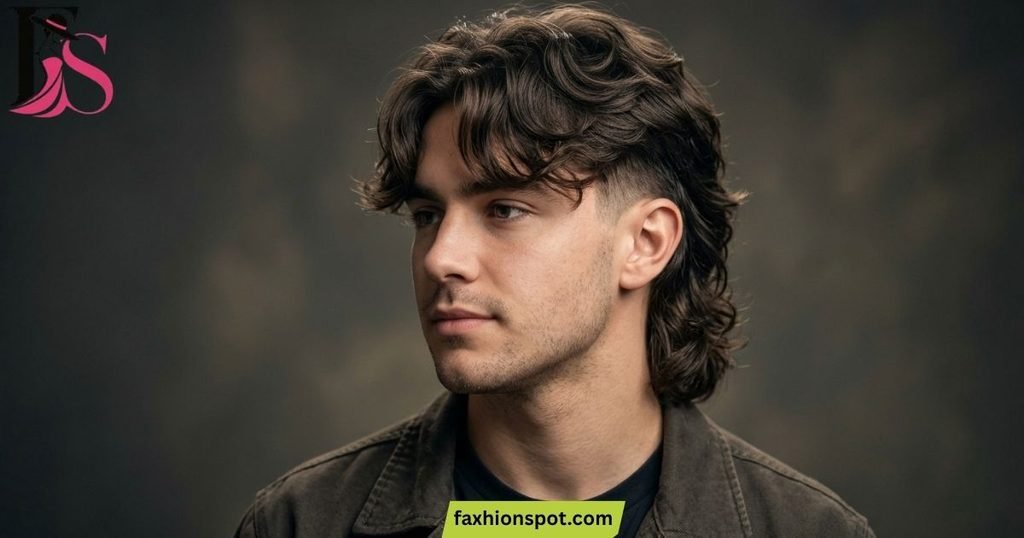
A curtain mullet is a modern hairstyle that combines a center-parted fringe with the distinctive longer back of a traditional mullet. The front sections fall on either side of the forehead, framing the face, while the sides and crown blend into a longer nape.
Unlike a classic mullet with a more obvious short-front, long-back contrast, this version emphasizes softness and movement around the face. The sides can be scissor-cut, tapered, faded, or shaved, depending on the desired finish.
Its defining features include:
- Middle-parted fringe: Creates a relaxed, face-framing appearance.
- Layered crown: Adds movement and prevents the top from looking too heavy.
- Shorter sides: Balance the longer sections at the back.
- Extended nape: Gives the haircut its recognizable mullet silhouette.
- Flexible texture: Works with straight, wavy, and curly hair.
The final result can look polished, casual, edgy, or fashion-forward depending on the length and cutting technique.
Why Is the Curtain Mullet So Popular?
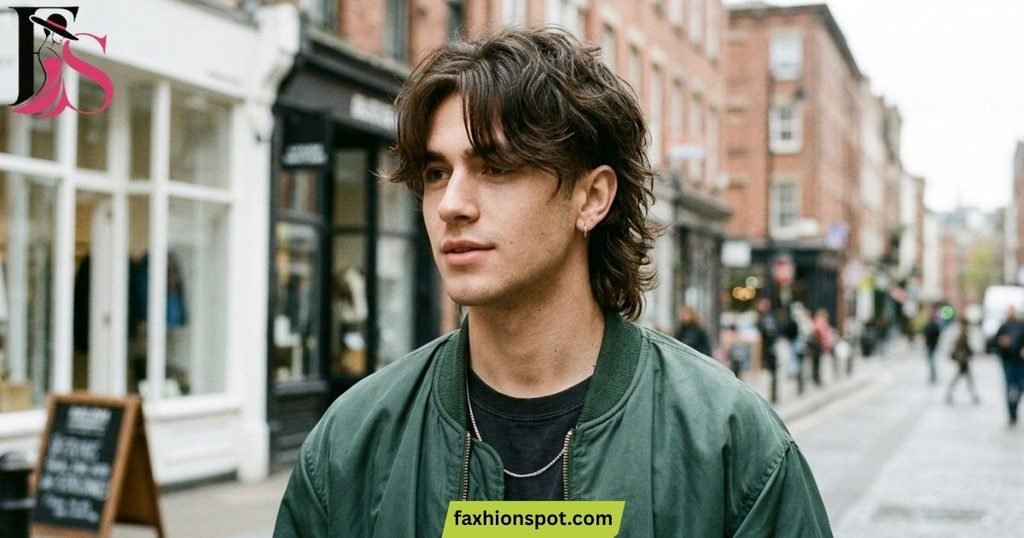
This hairstyle brings together several features people appreciate in contemporary haircuts: natural movement, adaptable styling, and a distinctive silhouette. Its combination of retro inspiration and modern barbering makes it suitable for different personal styles.
Here are the main reasons behind its popularity.
- Versatile appearance: It can be subtle enough for everyday wear or bold enough to stand out.
- Personalized fades: Low tapers, burst fades, and undercuts create different levels of contrast.
- Natural texture: Layers help showcase waves, curls, and movement without requiring perfectly styled hair.
- Face-framing effect: The parted fringe can soften angular features or visually lengthen a rounder face.
- Influence of Korean hairstyles: K-pop-inspired styling has helped popularize softer fringes and flowing layers.
- Individual expression: Hair length, color, volume, and texture can be adjusted to suit personal preferences.
Another advantage is that the haircut can evolve as your hair grows. A shorter version can gradually become a longer, shag-inspired style with the right shaping.
24 Curtain Mullet Haircut Styles
The following styles offer different approaches to length, texture, and contrast. Use the descriptions to identify a look that suits your hair type, styling habits, and preferred level of maintenance.
1. Classic Curtain Mullet
The classic version features a neat middle part, softly divided fringe, shorter sides, and moderate length at the back. Its proportions create a recognizable mullet shape without relying on an extreme fade or dramatic disconnection.
This is an excellent starting point if you want a timeless appearance with a modern twist. Ask your barber to preserve enough length around the crown and nape while blending the front sections naturally into the sides.
Best for: Straight or slightly wavy hair and people who prefer a balanced, everyday style.
2. Textured Curtain Mullet
A textured version uses choppy layers and carefully shaped ends to create separation throughout the hair. Instead of lying flat, the fringe and crown have more movement, giving the haircut a relaxed, slightly undone appearance.
A lightweight texture spray or matte styling cream can emphasize the layers without making them stiff. This variation works particularly well for medium to thick hair, although fine hair can benefit from carefully placed layers that create the illusion of fullness.
Best for: Anyone who wants a modern, casual haircut with visible texture.
3. Low Taper Curtain Mullet
This variation keeps the area around the ears and neckline clean while preserving length across the crown and back. The taper gradually shortens the hair near the edges rather than creating a dramatic transition high on the head.
The result feels neat without losing the flowing shape that makes the style distinctive. It is also a practical choice for people who want a fashionable haircut that can work in casual and professional environments.
Best for: Straight or wavy hair and anyone who prefers understated contrast.
4. Mid Fade Curtain Mullet
A mid fade creates a more noticeable transition along the sides, leaving the top and back visibly fuller. The middle-parted fringe softens the sharper sides, helping the overall shape feel balanced rather than overly aggressive.
This version suits people who enjoy contemporary barbering and want their haircut to stand out. Ask for a gradual fade that connects appropriately with the crown, especially if your hair is thick.
Best for: Medium-density hair and people who like defined, modern silhouettes.
5. Burst Fade Curtain Mullet
The burst fade curves around the ears, creating a rounded transition that leaves more length toward the back. Combined with parted bangs, it produces an interesting contrast between the clean sides and flowing upper sections.
This option is particularly effective when you want a more distinctive profile. Your barber should preserve enough length behind the ears so the curved fade complements the longer nape instead of removing too much of the mullet shape.
Best for: Wavy, curly, or thick hair and people seeking a bolder finish.
6. Skin Fade Curtain Mullet
A skin fade gradually blends the sides down to bare skin while retaining length on top and at the back. This creates strong contrast and makes the longer sections appear more prominent.
The parted fringe adds softness around the forehead, balancing the sharper fade. Because regrowth becomes noticeable quickly, this variation generally requires more frequent barber visits than softer taper styles.
Best for: Anyone who prefers a sharp, high-contrast appearance.
7. Korean Curtain Mullet
Inspired by contemporary Korean and K-pop hairstyles, this version emphasizes soft layers, a flowing middle part, and a smooth overall finish. The fringe typically frames the forehead gently, while the back retains enough length to establish the mullet shape.
Straight hair makes the curved front sections particularly visible, but wavy hair can create a relaxed interpretation. A blow-dryer and lightweight styling cream help achieve a polished finish without making the hair look stiff.
Best for: Straight or slightly wavy hair and fans of refined, youthful styling.
8. Shaggy Curtain Mullet
The shaggy variation features loose layers, an airy crown, and a relaxed fringe. Rather than emphasizing clean lines, it celebrates natural movement and an intentionally imperfect finish.
It is especially appealing for people whose hair already has waves or natural volume. A small amount of texture spray can enhance separation, while finger styling helps preserve the effortless appearance.
Best for: Medium to thick hair, especially naturally wavy textures.
9. Short Curtain Mullet
A shorter version keeps the back relatively compact while retaining the defining parted fringe. The sides remain neatly shaped, and subtle layers connect the front, crown, and nape.
This is a practical introduction to the style if you do not want to commit to long hair. It can also be easier to manage during busy mornings because it generally needs less product and less time to shape.
Best for: Beginners, shorter hair lengths, and low-effort styling routines.
10. Long Curtain Mullet
This variation leaves extra length through the fringe, crown, and back, creating a more flowing silhouette. The longer sections move naturally as you walk, while the curtain bangs keep the front from looking heavy.
Regular conditioning helps maintain softness and reduce tangling, especially when the back reaches the collar. Ask for layers that preserve movement without making the ends look too thin.
Best for: Medium to thick hair and people who enjoy expressive, longer hairstyles.
11. Curly Curtain Mullet
Natural curls bring volume and definition to the crown and back, creating a distinctive silhouette. The front is parted or loosely divided so the curls frame the face without being forced into a perfectly straight curtain shape.
A curl cream can improve definition and help control frizz. Your barber should account for shrinkage when cutting curly hair because the finished length can appear considerably shorter once the curls dry.
Best for: Naturally curly hair and anyone who wants to highlight their texture.
12. Wavy Curtain Mullet
Waves create a soft, flowing appearance that connects the fringe with the longer back. This variation does not require perfectly symmetrical styling because natural bends add movement throughout the haircut.
Apply a lightweight cream to damp hair and allow it to air-dry or use a diffuser on a suitable setting. Avoid excessive brushing after drying, which can disrupt the wave pattern and create unwanted frizz.
Best for: Naturally wavy hair and relaxed everyday styling.
13. Straight Hair Curtain Mullet
Straight hair highlights the shape of the middle part and makes the individual layers easier to see. A carefully cut fringe can fall smoothly along the temples, while the longer back provides contrast.
Because straight hair can sometimes appear flat, ask your barber to remove excess weight where needed without thinning the ends excessively. A round brush and blow-dryer can add lift at the roots and help the front sections curve away from the face.
Best for: Fine to thick straight hair, depending on the layering technique.
14. Wolf Cut Curtain Mullet
The wolf cut variation combines curtain bangs with heavier layers throughout the crown and back. It creates more volume near the top, along with a shaggy silhouette that gradually transitions into longer nape sections.
This is a good option for people who want more movement than a traditional, neatly shaped mullet provides. It can look especially expressive on thick or wavy hair, although fine hair may need carefully planned layers to retain fullness.
Best for: People who enjoy alternative, textured, and fashion-led hairstyles.
15. Layered Curtain Mullet
This style uses graduated layers to connect the fringe, sides, crown, and back. The layers help reduce unwanted bulk and allow the hair to move without creating the heavily tousled appearance of a shag.
It is a versatile option because the layers can be subtle or pronounced. Ask your barber to focus on the shape you want rather than removing too much length from the back.
Best for: Medium to thick hair and people who want movement with a balanced finish.
16. Razor Cut Curtain Mullet
A razor-cut finish uses a razor technique to create softer, feathered ends and lighter-looking layers. This approach can reduce the appearance of bulk and give the fringe a more relaxed, piecey finish.
The result depends on the hair’s texture and the barber’s technique. A razor is not ideal for every hair type, so discuss your hair’s condition and tendency toward frizz before choosing this method.
Best for: Hair that benefits from softer edges and a textured appearance.
17. Messy Curtain Mullet
The messy variation deliberately avoids a perfectly arranged finish. The fringe separates naturally around the middle part, while the crown and back feature loose, tousled movement.
Use a small amount of matte paste or texture spray, working it through the hair with your fingertips. The goal is to create definition without making the strands look crunchy or excessively styled.
Best for: Casual wardrobes, naturally textured hair, and people who prefer an undone finish.
18. Taper Fade Curtain Mullet
A taper fade blends the sides and neckline into the longer sections, offering a cleaner outline than an entirely scissor-cut version. The exact level of contrast can be adjusted to suit personal preference.
This variation is especially versatile because it can look subtle with a low taper or more striking with a sharper transition. Keep the fringe long enough to maintain the curtain effect.
Best for: People who want a clean, adaptable haircut for everyday wear.
19. Undercut Curtain Mullet
The undercut creates a noticeable separation between the longer upper sections and the closely clipped sides. This makes the fringe and crown appear fuller while emphasizing the length at the back.
It is a bolder choice than a gradual taper because the transition can be intentionally disconnected. Regular side maintenance helps preserve the contrast, while the upper sections can be styled loosely or neatly.
Best for: Thick hair and people who like dramatic, alternative styling.
20. Fringe Heavy Curtain Mullet
This variation places extra emphasis on the front, using fuller curtain bangs that frame more of the forehead. The back remains elongated, but the heavier fringe becomes the main visual feature.
The key is to avoid letting the fringe become so dense that it overwhelms the face. Layering and careful shaping can help maintain movement while preserving enough weight for a fuller appearance.
Best for: Medium to thick hair and people who prefer prominent bangs.
21. Voluminous Curtain Mullet
Volume is the main feature of this style. Lifted roots, fuller crown layers, and a flowing back create a silhouette that looks more dramatic than a flatter, closely shaped cut.
A lightweight mousse can help support the roots, while blow-drying in the desired direction creates additional lift. Avoid heavy products that pull the hair down, especially if your strands are fine.
Best for: Hair that naturally holds volume or benefits from root-lifting techniques.
22. Soft Curtain Mullet
The soft variation uses blended layers and gentle transitions between the front, sides, and back. It retains the defining shape but avoids sharp disconnections or an extremely pronounced fade.
This makes it a comfortable choice for people trying the trend for the first time. The shape also tends to grow out more gradually than highly contrasting versions, depending on the initial cut.
Best for: Minimalist styling, everyday wear, and people who prefer a subtle transformation.
23. Modern Curtain Mullet
The modern version combines a defined middle part, carefully balanced layers, and a customized back length. The sides may be tapered, scissor-cut, or faded according to the wearer’s preferences.
Its strength lies in adaptability rather than one specific cutting technique. You can keep it neat for work, add texture for weekends, or grow out the back for a more expressive appearance.
Best for: Anyone seeking a contemporary style that can be personalized.
24. Curtain Mullet with Highlights
Highlights add dimension to the layers by creating subtle contrast between different sections of the hair. Lighter strands can emphasize the curtain fringe, crown texture, and movement through the longer back.
Natural-looking highlights offer a softer finish, while bolder color placement creates a more striking result. Choose shades that complement your natural color and skin undertone, and use color-safe shampoo and conditioner to maintain the finish.
Best for: People who want extra dimension and a personalized color treatment.
Who Should Try a Curtain Mullet?
This hairstyle can be adapted to different face shapes, but the most flattering version depends on fringe length, side volume, and the amount of height at the crown.
| Face shape | Recommended approach | Why it works |
| Oval | Classic or layered | Most proportions work well with balanced framing |
| Round | Longer fringe and crown lift | Creates a more elongated visual effect |
| Square | Soft layers and textured fringe | Helps soften angular features |
| Heart-shaped | Gentle fringe and fuller lower sections | Balances a wider forehead and narrower chin |
These are useful starting points rather than strict rules. Your natural hairline, hair density, personal taste, and styling routine also affect the final result.
Oval Faces
Oval faces generally suit a wide range of fringe lengths and side treatments. A classic, Korean-inspired, or textured version can work particularly well because the proportions allow flexibility.
You can experiment with a center part, a slightly off-center part, or more volume at the crown without needing to correct a particular facial proportion.
Round Faces
For round faces, consider longer curtain sections that fall toward the cheekbones and a little lift at the crown. These details can create the impression of additional length.
Avoid excessive width directly at the cheeks if your goal is a more elongated appearance. A low taper can also keep the sides looking neat.
Square Faces
Square faces often pair well with soft fringe, textured layers, and slightly wavy finishes. These details can balance a defined jawline without hiding the face’s natural structure.
A shaggy or layered version offers movement, while a clean fade can provide contrast if you prefer a sharper appearance.
Heart-Shaped Faces
A heart-shaped face often features a wider forehead and a narrower chin. A softly divided fringe can help frame the forehead, while moderate fullness around the sides and lower sections creates balance.
Avoid automatically choosing the heaviest possible fringe. A lighter, flexible shape may frame your features more naturally.
How to Style a Curtain Mullet
A good styling routine enhances the cut without making it look overly controlled. The most important steps are establishing the part, directing the fringe, and preserving movement through the crown and back.
Follow this simple routine:
- Start with damp hair. Gently towel-dry after washing so the hair is not dripping wet.
- Create the middle part. Use your fingers or a comb to divide the front into two sections.
- Apply a suitable product. Use mousse for volume, lightweight cream for control, or curl cream for natural curls.
- Blow-dry the fringe. Direct each front section away from the center using your fingers or a round brush.
- Shape the crown and back. Lift the roots slightly and encourage the layers to fall naturally.
- Add texture. Use a small amount of texture spray or matte paste if you want more separation.
- Finish lightly. Adjust the fringe with your fingers and avoid adding unnecessary product.
Which styling products should you use?
| Product | Main benefit | Best suited to |
| Lightweight mousse | Adds lift and body | Fine or flat hair |
| Texture spray | Enhances separation | Straight or wavy hair |
| Curl cream | Defines natural curls | Curly hair |
| Styling cream | Provides soft control | Most hair types |
| Matte paste | Creates piecey definition | Shorter, textured versions |
Start with a small amount and add more only if necessary. Too much product can flatten the fringe and make the hair look greasy.
Click Here To Read Another Topic
Maintenance Tips
Maintaining your haircut is easier when you understand which sections lose their shape first. Faded sides usually need more frequent attention than longer layers at the back.
Use these practical tips to keep the style looking fresh:
- Schedule regular trims: Many versions benefit from a shape-up every four to six weeks, while sharp fades may need attention sooner.
- Protect the fringe: Trim the front carefully so it continues to frame your face without covering your eyes.
- Condition longer sections: Use conditioner to reduce dryness and make the back easier to manage.
- Avoid excessive heat: Use a heat protectant before blow-drying and choose a suitable temperature.
- Respect natural texture: Do not force curls or waves into a straight shape every day.
- Control excess bulk: Ask your barber to remove weight where necessary without sacrificing the defining back length.
- Maintain color-treated hair: Use products designed for colored hair if you choose highlights.
A softer cut generally grows out more gradually, while a skin fade or undercut becomes less defined as the hair grows. Choose a maintenance schedule that fits both your preferred appearance and your budget.
FAQs – curtain mullet
What is a curtain mullet?
It is a hairstyle that combines middle-parted curtain bangs with shorter sides and a longer back, blending face-framing softness with the recognizable shape of a mullet.
Is a curtain mullet suitable for all hair types?
Yes, it can be adapted for straight, wavy, and curly hair, although the layering, fringe length, and styling technique should match your natural texture and density.
How do you style a curtain mullet?
Create a middle part on damp hair, apply a suitable styling product, and blow-dry the fringe away from the face. Finish with a small amount of cream or texture spray.
What face shape suits a curtain mullet best?
Oval faces are especially versatile, but round, square, and heart-shaped faces can also suit this style when the fringe, crown volume, and side length are adjusted appropriately.
How often should you trim a curtain mullet?
A trim every four to six weeks works for many versions, while sharp fades may need refreshing every two to four weeks to maintain clean edges.
Conclusion
Stylish curtain mullet haircuts offer a flexible way to combine a modern middle part, textured layers, and a longer back.
From a subtle low taper to a bold burst fade, curly finish, or Korean-inspired shape, there is a variation for different preferences and hair textures.
The best choice is one that works with your natural hair rather than against it. Consider your face shape, desired length, daily styling routine, and willingness to maintain the sides before visiting your barber.