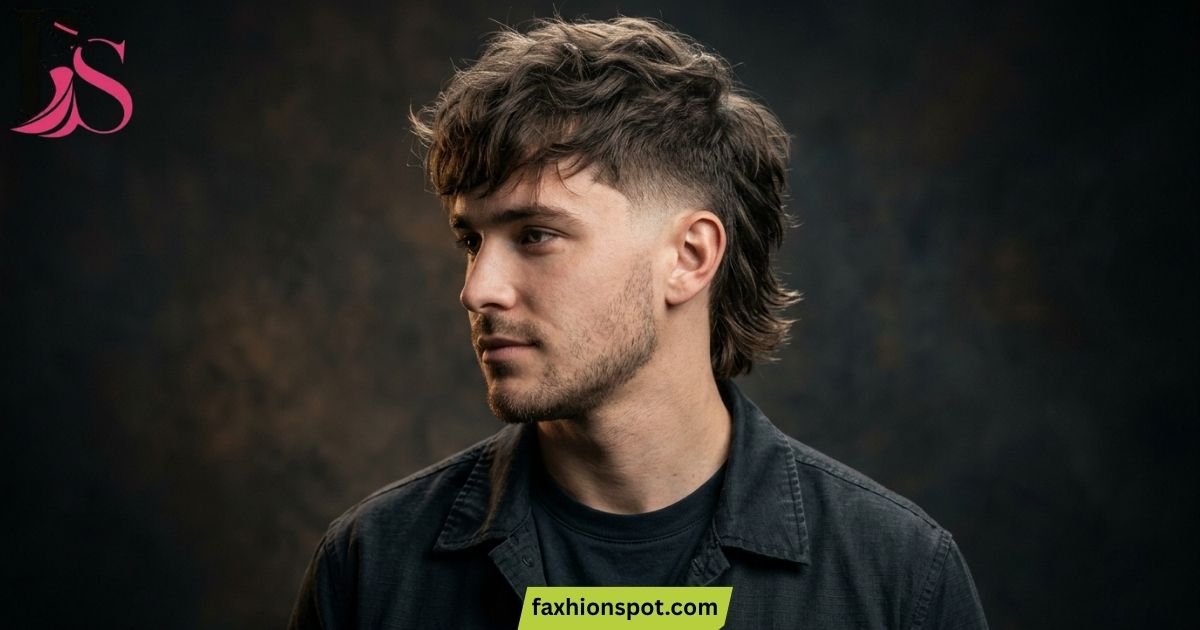
The modern mullet with burst fade is a bold men’s hairstyle that combines clean, curved sides with textured hair on top and noticeable length at the back.
This haircut updates the classic mullet with a sharper finish, natural movement, and a rounded fade around the ears. Whether you prefer short, curly, wavy, straight, or long hair, there is a version to match your personal style.
One reason this haircut stands out is its versatility. You can choose a subtle fade for an everyday look or a high skin fade for stronger contrast.
What Is a Modern Mullet with Burst Fade?
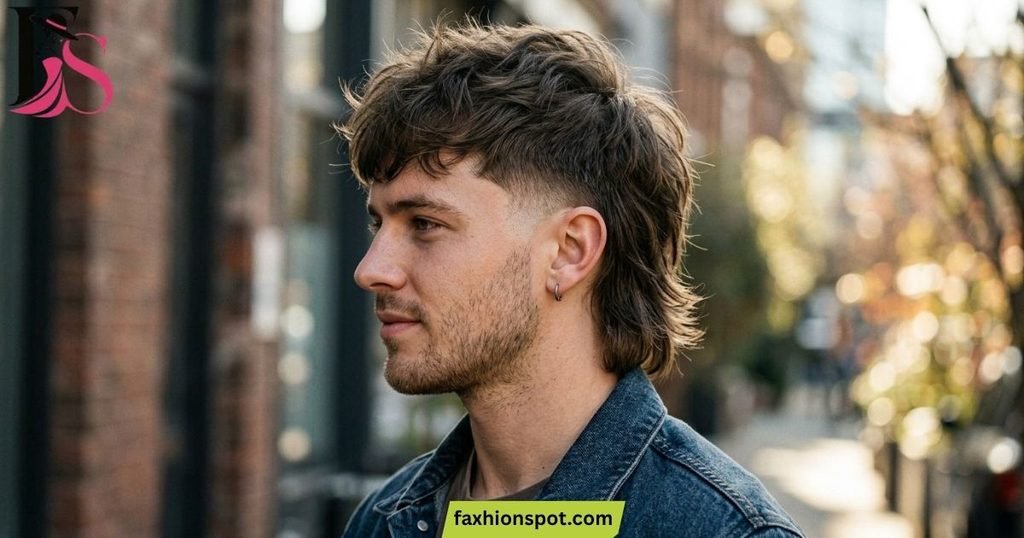
A modern mullet with burst fade is a haircut that keeps the sides short in a curved pattern around the ears while preserving longer hair through the crown and back. The fade creates a semicircular shape, giving the sides a clean appearance without removing the length that defines a mullet.
Unlike a traditional mullet, the modern version often includes textured layers, blended transitions, a shaped neckline, and a more balanced silhouette. The top can be short and spiky, medium and wavy, or long enough to create a loose, flowing appearance.
Three features define this haircut:
- Rounded fade: The hair gradually becomes shorter around the ears, creating the signature burst effect.
- Textured top: Layers, curls, waves, or styling products add volume and movement.
- Longer back: The hair remains fuller at the nape, preserving the recognizable mullet shape.
The final result depends on fade height, hair density, top length, and the way the back connects to the crown. A good barber balances these elements so the haircut looks intentional from the front, sides, and rear.
45 Modern Mullet with Burst Fade Styles
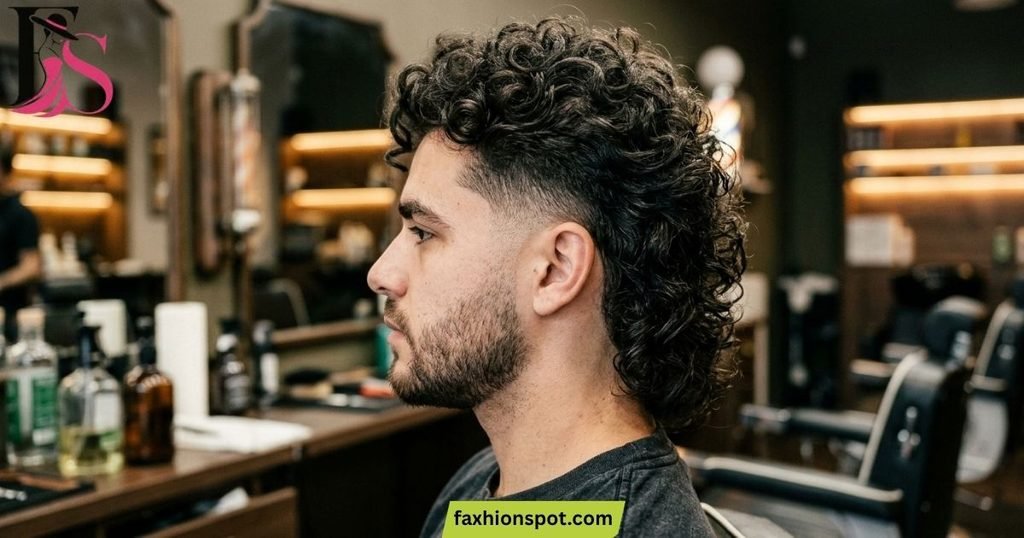
These 45 variations offer different combinations of fade placement, hair length, texture, fringe, color, and finishing details. Use them to find a look that suits your hair type, face shape, and preferred level of maintenance.
1. Classic Modern Mullet with Burst Fade
The classic version features a textured top, a rounded fade around the ears, and a moderately long back. It offers a balanced combination of clean sides and traditional mullet character without looking excessively dramatic.
Ask your barber for a smooth transition between the crown and back, with enough length at the nape to create a recognizable silhouette.
2. Short Modern Mullet with Burst Fade
A short mullet keeps the top compact and the back relatively close to the neckline. The curved fade adds definition without requiring the dramatic length associated with traditional mullets.
This is a good option for beginners, active lifestyles, and anyone who wants an edgy haircut that remains relatively easy to style.
3. Medium Length Mullet with Burst Fade
Medium-length hair creates more movement through the crown and back while keeping the overall shape manageable. Soft layers help the hair fall naturally instead of forming a bulky section behind the head.
Use a lightweight styling cream to separate the layers and maintain a relaxed finish.
4. Long Modern Mullet with Burst Fade
A longer variation leaves noticeable length extending down the nape, creating a stronger contrast with the short sides. It works especially well with wavy hair because the natural movement emphasizes the shape.
Regular trimming helps prevent split ends while preserving the length that makes this style distinctive.
5. Textured Modern Mullet with Burst Fade
Textured layers create a fuller, more dynamic appearance on top and through the back. This version is particularly useful for straight or thick hair that needs extra movement.
Apply a small amount of matte paste to dry hair, using your fingertips to define individual sections without making them stiff.
6. Low Burst Fade Mullet
A low burst fade keeps the shortest section close to the ear, leaving more natural coverage on the upper sides. The result is softer and more understated than higher fade variations.
Choose this option if you want the mullet shape to remain the main feature rather than emphasizing exposed skin.
7. Mid Burst Fade Mullet
A mid burst fade rises farther around the ear, creating a noticeable contrast between the sides and the longer top. It provides a balanced middle ground between a subtle low fade and a dramatic high fade.
This variation works with textured tops, short fringes, waves, and moderate back length.
8. High Burst Fade Mullet
The high burst fade extends the short section farther toward the temples, making the longer hair on top stand out. It produces a sharper, more expressive silhouette.
Because the contrast is stronger, regular touch-ups help keep the curved fade clean and symmetrical.
9. Skin Burst Fade Mullet
A skin burst fade tapers the hair down to bare skin around the lower sides. The exposed area creates a crisp contrast against the fuller crown and longer back.
It is an excellent choice for a bold finish, although regrowth becomes more noticeable and frequent barber visits may be necessary.
10. Taper Burst Fade Mullet
This version combines the curved shape of a burst fade with a softer, less exposed finish. The barber leaves a little more hair around the edges rather than taking the fade all the way to the skin.
It suits people who prefer a polished haircut that grows out more gradually.
11. Straight Hair Burst Fade Mullet
Straight hair creates clean lines and clearly defined layers. Point-cut ends and subtle texturing help prevent the back from looking flat or heavy.
A lightweight texturizing spray can add lift at the crown, while a small amount of matte paste gives the top a separated finish.
12. Wavy Burst Fade Mullet
Natural waves give the longer back a relaxed, flowing appearance. Keeping the sides short makes the texture on top and behind the head more noticeable.
Use a lightweight curl cream or leave-in styling product to enhance the waves without weighing them down.
13. Curly Burst Fade Mullet
Curly hair adds natural volume and personality to this haircut. The rounded fade creates a clean frame around the ears, while the curls remain prominent on top and through the back.
Ask your barber to account for shrinkage when cutting the length. A curl-enhancing cream can help maintain definition and reduce frizz.
14. Thick Hair Burst Fade Mullet
Thick hair provides plenty of volume for a full crown and substantial back section. Strategic layering removes excess bulk while preserving the shape of the haircut.
A barber experienced with dense hair can blend the transition carefully so the sides do not look disconnected from the back.
15. Fine Hair Burst Fade Mullet
Fine hair can work well with a shorter, layered version that creates the appearance of extra movement. Avoid removing too much density from the back, as excessive thinning may make the ends appear sparse.
A lightweight volumizing mousse or root-lifting spray can add body without making the hair greasy.
16. Messy Modern Mullet with Burst Fade
The messy version embraces an imperfect, casual finish. Choppy layers and a loosely styled top create movement, while the curved fade keeps the sides looking neat.
Work a little matte clay through dry hair, lifting selected sections with your fingers rather than combing everything into place.
17. Shaggy Burst Fade Mullet
A shaggy mullet uses generous layers throughout the top, sides, and back. The result is softer and more relaxed than a sharply structured cut, with movement around the crown and nape.
It is especially appealing for wavy or thick hair. Regular reshaping prevents the layers from becoming overly bulky as they grow.
18. Layered Burst Fade Mullet
Layering connects the crown to the longer back while creating depth and movement. This makes the haircut appear more natural from the side and rear.
It works across several hair types, although the layer placement should reflect the density and natural fall of your hair.
19. Choppy Modern Mullet with Burst Fade
Choppy ends create a deliberately irregular texture that feels youthful and contemporary. The contrast between the uneven top and clean fade gives the haircut a distinctive shape.
A matte styling paste is useful for separating individual pieces and keeping the finish flexible.
20. Tousled Burst Fade Mullet
The tousled version looks relaxed rather than precisely sculpted. It uses loose volume on top and a naturally falling back section, making it suitable for everyday wear.
Apply a small amount of styling cream to damp hair, then let it air-dry or use a diffuser on a low setting.
21. Burst Fade Mullet with Fringe
A fringe brings attention to the forehead and adds another layer of shape to the haircut. You can wear it short and forward or leave it slightly longer for a softer appearance.
The right fringe length depends on your face shape, hairline, and styling preference.
22. Burst Fade Mullet with Textured Fringe
This variation combines a forward-facing fringe with separated, textured ends. It gives the front a fuller appearance while the longer back balances the overall silhouette.
Use a small amount of matte paste to define the fringe without making it look stiff or greasy.
23. Burst Fade Mullet with Side Swept Fringe
A side-swept fringe creates an asymmetrical, softer finish. It works especially well when the top has enough length to fall naturally toward one side.
This option is useful if you want the haircut to look fashionable without relying on a dramatic spiky shape.
24. Burst Fade Mullet with Spiky Top
Short spikes add height and a more energetic finish to the crown. The burst fade emphasizes the top while the longer back preserves the mullet silhouette.
Use a flexible styling paste or clay and avoid applying too much product, which can make the spikes look heavy.
25. Burst Fade Mullet with Quiff
A quiff adds volume at the front and directs the hair upward and slightly backward. Paired with a longer nape, it creates a more polished, structured appearance.
Blow-dry the front upward with a brush, then finish with a small amount of matte paste or light-hold styling cream.
26. Mohawk Burst Fade Mullet
This bold hybrid keeps a more prominent strip of length through the center of the head, extending into the back. The curved fade around the ears makes the central section appear more defined.
It is a strong option for anyone who prefers an alternative or statement-making haircut.
27. Punk-Inspired Burst Fade Mullet
The punk-inspired version features exaggerated texture, uneven layers, and potentially a vivid color. Its overall shape can range from a short, choppy cut to a longer, dramatic back.
Discuss how extreme you want the finish to look before cutting, especially if you need the style to remain adaptable for work or school.
28. Razor Design Burst Fade Mullet
A razor design adds one or more shaved lines around the fade. Simple curved or diagonal details can make the haircut look more customized without changing the overall length.
Because designs grow out quickly, schedule touch-ups if you want the lines to remain crisp.
29. Hard Part Burst Fade Mullet
A hard part introduces a defined shaved line along the top or side, creating a sharper division between sections. It pairs well with a combed top, quiff, or neatly textured finish.
Ask your barber to position the part according to your natural hair growth and preferred styling direction.
30. Burst Fade Mullet with Undercut
An undercut creates a more noticeable separation between the longer top and shorter sides. Combined with the curved fade and longer back, it gives the haircut a high-contrast appearance.
This version is best for people who enjoy a more structured style and do not mind maintaining the separation as the hair grows.
31. Burst Fade Mullet with Beard Fade
Blending the sideburns into a beard fade creates a coordinated transition between the haircut and facial hair. A neatly shaped beard can complement the volume of the top and back.
The beard length and fade placement should work together rather than competing for attention.
32. Burst Fade Mullet with Line Up
A line up creates clean edges along the forehead, temples, and sometimes the beard. The sharp outline contrasts with the softer texture of the longer hair.
This combination works particularly well with short curls, coiled textures, and structured tops.
33. Burst Fade Mullet with Neck Taper
A neck taper cleans the lower hairline while leaving the central back longer. It provides a tidy finish without removing the length that gives the haircut its mullet character.
Choose a natural neckline for a softer appearance or a more defined outline if you prefer a crisp finish.
34. Burst Fade Mullet with Temple Fade
A temple fade adds extra detailing around the temples and front hairline. When combined with the curved fade around the ears, it creates a more carefully shaped profile.
The barber should blend these areas naturally so the front and sides look connected rather than overly segmented.
35. Burst Fade Mullet with Drop Fade
A drop fade follows a downward curve behind the ear, helping the shorter sides transition into the longer back. Its placement can emphasize the mullet silhouette when carefully blended.
Explain how much length you want to preserve at the rear before your barber begins fading.
36. Colored Modern Mullet with Burst Fade
Color can make the haircut more distinctive without changing its underlying shape. Options include copper, burgundy, vivid red, blue, or other shades that complement your complexion and personal style.
If you plan to bleach or dye your hair, consult a qualified colorist about hair condition, maintenance, and the safest process for your starting color.
37. Blonde Burst Fade Mullet
Blonde hair highlights the separation between the faded sides and the textured top. Platinum, ash blonde, beige blonde, and warmer golden shades each create a different overall effect.
A colorist can help select a shade that suits your natural base and explain how to maintain the color between appointments.
38. Burst Fade Mullet with Highlights
Highlights add dimension to layers, waves, and curls. Strategically placed lighter sections can emphasize the crown and longer back without requiring an all-over color change.
For a natural appearance, choose subtle highlights close to your base color. Higher-contrast shades create a more noticeable finish.
39. Burst Fade Mullet with Braids
Braids add a distinctive pattern and protective styling possibilities when suitable for your hair texture and length. The faded sides provide contrast while the braided top or back becomes the main feature.
Choose a braid design that does not place excessive tension on the scalp, and ask an experienced stylist about appropriate maintenance.
40. Burst Fade Mullet with Twists
Twists create visible texture and a defined shape through the top and back. Combined with a curved fade, they offer a modern look that emphasizes natural hair texture.
The ideal twist size depends on hair length, density, and the finish you want. Keep the scalp clean and avoid styles that feel painfully tight.
41. Soft Modern Mullet with Burst Fade
A soft variation uses blended layers, a moderate back length, and a less aggressive fade. It offers the mullet silhouette without the dramatic contrast of a high skin fade.
This is a practical choice for first-time wearers or anyone seeking a more understated style.
42. Korean Style Burst Fade Mullet
A Korean-inspired variation often features softer layers, a longer fringe, and natural volume. The back remains longer, while the fade can be kept subtle to preserve a flowing silhouette.
For this look, ask for a textured, face-framing top and a balanced connection between the crown and nape rather than an excessively sharp separation.
43. Asian Inspired Burst Fade Mullet
This variation can combine straight or naturally wavy hair with soft layering and a clean curved fade. The exact cut should be adjusted to the individual’s hair density, head shape, and natural growth pattern.
Light texturizing helps create movement in straight hair, while a fuller back can prevent the silhouette from looking too narrow.
44. Teen Style Burst Fade Mullet
A teen-friendly version keeps the fade clean and the back length controlled. A short fringe, textured crown, or natural waves can create a fashionable look without requiring complicated daily styling.
For school or other settings with haircut rules, choose a lower fade and a moderate back length.
45. Modern Wolf Mullet with Burst Fade
The wolf mullet combines shaggy layers, a fuller crown, and a longer back with the rounded shape of a burst fade. The result is more layered and voluminous than a classic mullet.
It works especially well with naturally wavy or thick hair. Use a lightweight texturizing product to preserve movement rather than flattening the layers.
How to Style a Modern Mullet with Burst Fade
Good styling highlights the contrast between the clean sides, textured crown, and longer back. Your routine should depend on your hair type and the finish you want, rather than using the same products for every variation.
Step-by-step styling routine
- Start with clean hair. Wash with a suitable shampoo and use conditioner when needed, especially if your hair is dry, curly, or color-treated.
- Remove excess water. Gently towel-dry without rubbing aggressively, which can cause frizz and tangles.
- Apply the right product. Use mousse or a volumizing spray for fine hair, texture spray for straight or wavy hair, and curl cream for naturally curly hair.
- Shape the top. Use your fingers or a brush to create a fringe, quiff, spikes, or loose texture.
- Dry carefully. Air-drying creates a relaxed finish. A blow-dryer or diffuser on a suitable low-to-medium setting can add volume and definition.
- Finish the back. Work a small amount of product through the longer section, directing it into the desired shape without flattening it.
- Check the silhouette. Use a mirror to inspect the front, sides, and back so the haircut looks balanced from every angle.
Best styling products by hair type
| Hair type | Recommended product | Main benefit |
| Straight | Matte paste or texture spray | Adds separation and movement |
| Wavy | Lightweight styling cream | Enhances natural waves |
| Curly | Curl cream or leave-in conditioner | Supports curl definition |
| Thick | Matte clay or lightweight cream | Helps control bulk and shape |
| Fine | Volumizing mousse | Adds lift without heavy buildup |
| Bleached or colored | Color-safe conditioner and heat protectant | Supports hair condition and color care |
Click Here To Read Another Topic
How to ask your barber for the right cut
Bring two or three reference photos showing the front, side, and back. A single front-facing image may not communicate how much length you want to preserve at the nape.
You can use this simple request:
“I want a modern mullet with a rounded burst fade around the ears. Keep enough length through the crown and back to maintain a clear mullet shape. Please adjust the fade height, top texture, and neckline to suit my hair type, and show me the side and back before finishing.”
Be specific about whether you want a low, mid, high, or skin fade. Also explain how much daily styling you are comfortable doing.
Maintenance and upkeep
The faded sides generally need more frequent attention than the longer back. The exact schedule depends on how short the fade is, how quickly your hair grows, and how crisp you want the outline to remain.
| Maintenance task | Suggested timing |
| Refresh a sharp skin fade | Every 1–3 weeks |
| Maintain a softer burst fade | Every 2–4 weeks |
| Reshape the top and layers | Every 4–6 weeks, as needed |
| Trim split ends | As needed to maintain hair condition |
| Deep-condition dry or color-treated hair | According to hair needs and product directions |
These are starting points rather than strict rules. A softer fade can grow out more naturally, while a skin fade usually shows regrowth sooner. Between visits, avoid trimming the back yourself unless you are confident with the shape, since removing too much length can change the haircut’s proportions.
FAQs: Modern Mullet with Burst Fade
What is a burst fade mullet?
It combines a mullet’s longer back with a fade that curves around the ears. The curved fade keeps the sides clean while preserving the length that defines the hairstyle.
Is the burst fade mullet still popular?
Yes, it remains a recognizable modern hairstyle because it combines strong contrast with flexible options for texture, length, and fade height. Its popularity varies by region and individual fashion trends.
Who should get a burst fade mullet?
It can suit many people with straight, wavy, curly, or thick hair. The most flattering version depends on your hair growth, face shape, preferred back length, and comfort with regular maintenance.
How do you maintain a burst fade mullet?
Refresh the fade every few weeks, keep the back and crown shaped, and use styling products suited to your hair texture. Regular conditioning and gentle heat styling also help maintain healthy-looking hair.
Can a burst fade mullet work for professional settings?
Yes. A low burst fade, moderate back length, and neatly textured top can look relatively understated. Workplace expectations vary, so choose the level of contrast that fits your environment.
Conclusion
A modern mullet with burst fade offers a versatile way to combine clean sides, a textured top, and longer hair at the back.
From a short, subtle cut to a curly, shaggy, or high-contrast version, the right combination of fade height, layering, and back length can create a look that feels personal rather than generic.
Before choosing your final style, consider your hair type, daily routine, workplace or school expectations, and how often you can visit a barber.
1 thought on “Modern Mullet with Burst Fade: 45 Stylish Ideas for Men”