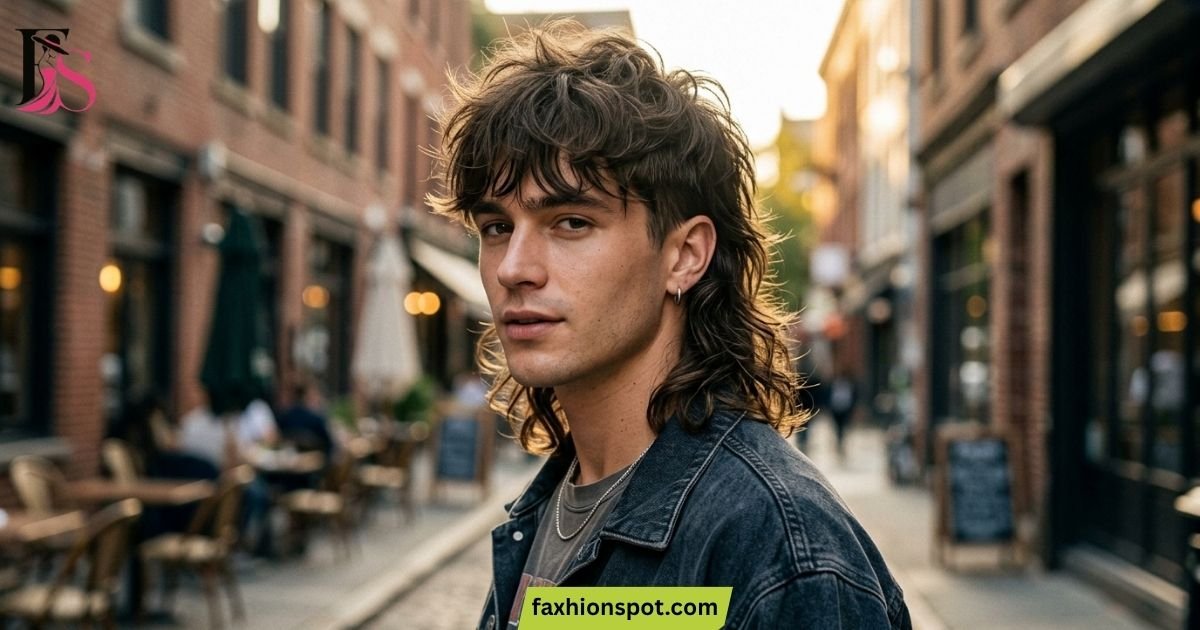
The long modern mullet is one of the most expressive men’s hairstyles to consider in 2026. Combining shorter or carefully shaped sides with a longer, flowing back, this haircut delivers a distinctive appearance without looking like a dated 1980s style.
Modern layering, textured finishes, tapers, and fades make it suitable for different hair types and personal preferences.
What Is a Long Modern Mullet?
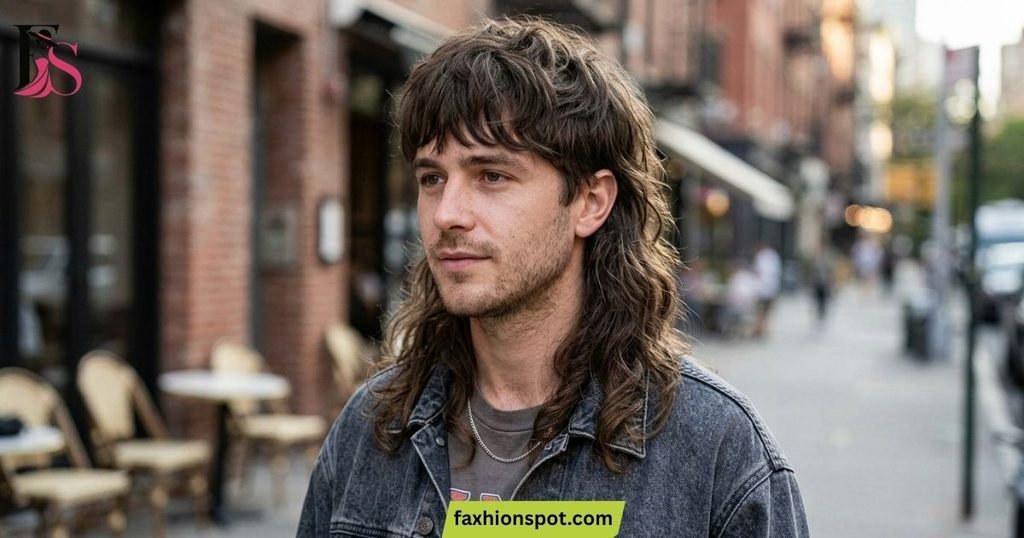
A long modern mullet is a men’s haircut that keeps noticeable length at the back while shaping the top, crown, and sides for a balanced, contemporary appearance. Unlike traditional mullets with abrupt transitions, modern versions often use soft layers, textured ends, tapers, or fades.
The defining feature is the contrast between the shorter front and sides and the longer hair around the nape. The back can reach the collar, shoulders, or beyond, depending on your preferred look.
Popular features include:
- Textured top: Adds movement and prevents the hair from looking flat.
- Longer back: Creates the recognizable mullet silhouette.
- Modern sides: Can be tapered, faded, layered, or left naturally full.
- Custom fringe: Adds personality and helps balance facial proportions.
- Flexible styling: Works with natural waves, defined curls, or straight hair.
The best version is shaped deliberately rather than simply allowing the hair at the back to grow unchecked.
20 Long Modern Mullet Hairstyles for Men
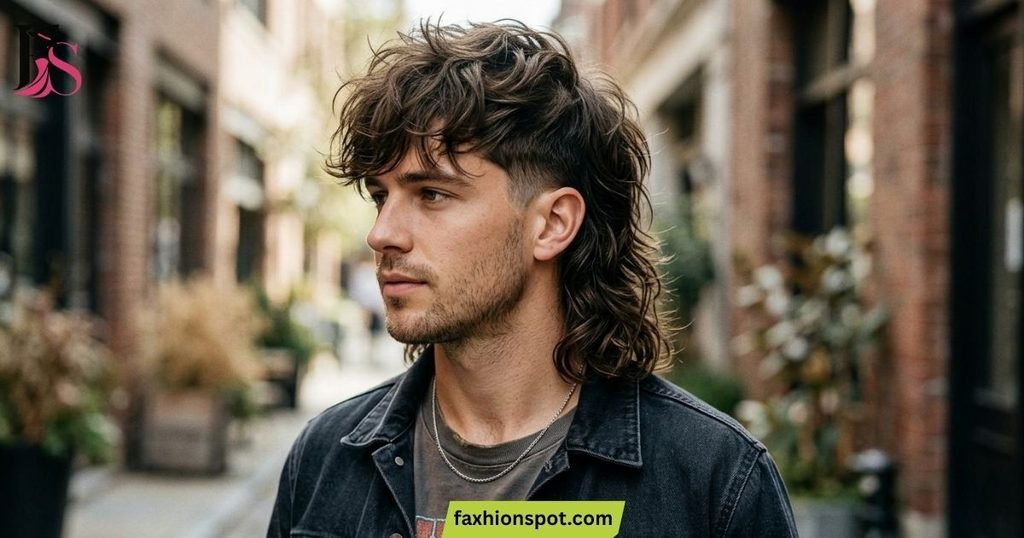
The following hairstyles offer different combinations of length, texture, volume, and side detailing. Choose a reference photo that resembles your natural hair before visiting your barber.
Textured Long Modern Mullet
A textured mullet combines choppy layers with a longer back and a naturally separated top. The uneven ends create movement, making the hairstyle look relaxed rather than overly polished.
This option works particularly well for medium-to-thick hair. Ask your barber for point-cut layers through the crown and back while preserving enough length to maintain the overall shape. A small amount of matte clay can define the texture without making the hair stiff.
Taper Fade Long Mullet
A taper fade mullet pairs gradually shortened hair around the temples and neckline with a fuller top and flowing back. It offers a neat finish while preserving the rebellious character of a mullet.
This is a useful choice if you want a modern appearance that works with casual outfits, streetwear, and some smart-casual settings. Tell your barber to keep the taper controlled and avoid cutting too much length from the back.
Curly Long Modern Mullet
Curly hair gives a mullet natural volume, definition, and personality. The curls can remain full on top while extending through the back, creating a rounded, textured silhouette.
A skilled barber should shape the haircut around your curl pattern and account for shrinkage. Use a lightweight leave-in conditioner or curl cream to reduce frizz and help individual curls retain their shape.
Straight Sleek Long Mullet
Straight hair highlights the contrast between the shorter front and the extended back. This sleek variation uses smooth layers and a clean outline for a sharper, fashion-forward finish.
It is ideal for men who prefer defined shapes over messy texture. Ask for carefully blended crown layers and a controlled fringe. A lightweight smoothing cream can help manage flyaways without weighing the hair down.
Messy Long Mullet
The messy version embraces loose strands, uneven texture, and natural movement. It has a relaxed, youthful appearance that works well with casual clothing and everyday outfits.
Request a layered cut that leaves enough length at the back while adding separation through the top. Work a small amount of texturizing paste into dry hair, then use your fingers to create an imperfect finish.
Layered Long Mullet
Layers prevent long hair from becoming heavy or forming a flat, disconnected tail. They distribute weight throughout the crown and back, helping the haircut move naturally.
This option suits thick hair particularly well, although finer hair can benefit from carefully placed, subtle layers. Ask your barber to preserve density where needed instead of thinning every section excessively.
Shaggy Long Mullet
A shaggy mullet combines a longer back with feathered layers, loose texture, and a slightly undone fringe. Its appearance sits between a traditional mullet and a modern shag haircut.
It is a strong choice for men who enjoy alternative fashion, vintage-inspired clothing, or a relaxed rock-and-roll aesthetic. Use a lightweight texture spray to encourage separation without creating a crunchy finish.
Low Fade Long Mullet
A low fade starts near the ears and neckline, keeping most of the sides relatively full. This creates a subtle transition that allows the longer back to remain the main feature.
It is a practical starting point if you want a contemporary cut without an aggressive contrast. Ask your barber for a low fade that follows your head shape and blends naturally into the crown.
High Fade Long Mullet
A high fade removes more weight from the upper sides, producing a noticeable contrast with the longer top and back. The result looks sharper, bolder, and more dramatic than a low fade.
This style suits men who enjoy statement haircuts and defined silhouettes. Keep the back shaped with layers so the contrast looks intentional rather than disconnected.
Undercut Long Mullet
An undercut mullet features short sides separated more clearly from the longer hair above. The stronger contrast creates an edgy, fashion-focused appearance.
It works well with thick hair because removing bulk from the sides can make the top and back stand out. Discuss how visible you want the separation to be before your barber starts cutting.
Wavy Long Modern Mullet
Natural waves give the haircut effortless movement, particularly through the crown and nape. The result looks softer than a heavily faded version and can highlight the hair’s natural flow.
Ask for layers that encourage your waves rather than forcing them into a rigid shape. A lightweight curl-enhancing cream or sea salt spray can add definition, depending on your hair’s needs.
Long Fringe Mullet
This variation combines a longer fringe with extended hair at the back. The fringe may fall forward, sweep sideways, or sit loosely across the forehead.
It is useful for men who want to change the appearance of their forehead or introduce more visual balance around the face. Choose a fringe length that works with your hair texture and daily styling routine.
Slick Back Long Mullet
The slick-back variation directs the front and top away from the face while preserving the longer rear section. It creates a more controlled appearance than a messy or shaggy cut.
Use a flexible styling cream or lightweight pomade to guide the top backward. Avoid applying too much product near the roots, especially if your hair is fine or naturally oily.
Blowout Long Mullet
A blowout mullet emphasizes lift around the crown and top, with the longer back adding movement. It creates a fuller silhouette that can look particularly effective on thick hair.
Apply heat protectant before blow-drying. Use a vent brush or your fingers to lift the roots, directing airflow according to the shape you want. Finish with a light-hold product rather than a heavy gel.
Modern Punk Mullet
A punk-inspired mullet uses stronger contrast, choppy layers, and a more dramatic outline. Some versions incorporate vivid color, a sharp fringe, or an undercut.
This is a good option if you want your haircut to become a central part of your personal style. Discuss the degree of disconnection with your barber so the final cut reflects your preferred level of boldness.
Soft Natural Long Mullet
The soft natural variation uses gentle transitions, understated layers, and a flowing back. Instead of relying on an extreme fade, it allows the hair to retain much of its natural fullness.
It is suitable for men who prefer low-key styling and softer outlines. A small amount of leave-in conditioner can help control dryness while preserving natural movement.
Razor Cut Long Mullet
A razor-cut mullet uses carefully executed razor techniques to create feathered edges and softer transitions. The finished shape often feels light, airy, and slightly undone.
This approach can work well for straight or wavy hair, but the cutting technique should be chosen according to hair condition and density. If your ends are already damaged, ask your stylist whether scissors would produce a healthier finish.
Wet Look Long Mullet
The wet-look version gives the top and back a glossy, defined appearance. It can look polished and fashion-forward when the hair is arranged intentionally.
Apply a small amount of lightweight gel or glossing product to damp hair, then shape the top and rear sections with your fingers or a wide-tooth comb. Avoid excessive product, which can make the hairstyle appear greasy.
Tied Back Long Mullet
A tied-back mullet gathers the longer hair into a small ponytail or loose tie while leaving the shorter front and sides visible. It is especially useful when the back becomes long enough to fall into your face or collar.
Use a soft hair tie and avoid pulling the hair too tightly. This variation works best when the rear length is sufficient to gather comfortably without straining the roots.
Volume Heavy Long Mullet
This style emphasizes fullness through the crown, top, and back. Strategic layers prevent the extra volume from becoming shapeless, while the longer rear section gives the haircut its distinctive outline.
It is particularly effective for thick hair and can add visual fullness to some medium-density hair types. Ask your barber to remove weight selectively and preserve enough structure to support the volume.
Who Should Try a Long Modern Mullet
A long modern mullet can suit many men, but the most flattering version depends on natural hair texture, facial proportions, density, and personal style.
Hair type considerations:
- Straight hair: Benefits from layering and texture to prevent a flat appearance.
- Wavy hair: Naturally creates movement and a relaxed silhouette.
- Curly hair: Adds volume and definition, although shrinkage affects the apparent length.
- Thick hair: Can support bold layers, fades, and fuller shapes.
- Fine hair: Usually benefits from conservative layering that preserves density.
Face shape considerations:
| Face shape | Styles to consider | Styling goal |
| Oval | Most variations | Maintain natural proportions |
| Round | Textured top, moderate volume | Add vertical definition |
| Square | Layered or textured styles | Balance strong angles |
| Oblong | Softer fringe, moderate crown height | Avoid excessive vertical length |
| Heart-shaped | Natural layers, balanced fringe | Balance the forehead and chin |
These are starting points rather than strict rules. Hairline, head shape, personal preference, and the way your hair grows can matter just as much.
Styling Tips for Long Modern Mullet
Good styling keeps the haircut looking deliberate while preserving its natural movement. You do not need a complicated routine to achieve a polished result.
- Start with clean hair. Use a shampoo and conditioner suited to your scalp and hair texture.
- Choose the right product. Matte clay works for separation, curl cream supports curls, and lightweight cream helps smooth straight hair.
- Style according to texture. Air-dry waves and curls when practical, or blow-dry straight hair to create lift and direction.
- Protect against heat. Apply a heat protectant before using a blow-dryer or other hot tools.
- Shape the back. Use your fingers to arrange the longer layers so they follow the neckline naturally.
- Avoid overstyling. Too much product can flatten the crown, stiffen the fringe, or make the back look greasy.
For a reliable everyday routine, focus on a clean outline, natural texture, and enough control to keep the longer sections in place.
Click Here To Read Another Topic
Common Mistakes to Avoid
Even a great haircut can lose its shape if the proportions or maintenance are neglected. Avoid these common problems:
- Cutting the back too short: Preserve enough length to maintain the intended silhouette.
- Over-fading the sides: An excessively high or tight fade may create more contrast than you wanted.
- Removing too much weight: Excessive thinning can leave the ends wispy and difficult to style.
- Ignoring the crown: Poor blending can make the back look like a separate section.
- Choosing the wrong fringe: Consider your forehead, face shape, and natural growth pattern.
- Using heavy products: Too much wax or gel can make the hair look stiff and greasy.
- Skipping maintenance: Untidy sides and an unshaped neckline can weaken the overall appearance.
- Expecting a reference photo to match exactly: Hair density, texture, and head shape affect the final result.
Before the haircut, show your barber front, side, and back reference photos. Explain how much length you want to preserve and whether you prefer a subtle blend or a dramatic contrast.
FAQs: Long Modern Mullet
Is the long modern mullet still in trend?
Yes. The style remains a visible men’s grooming trend in 2026, with textured layers, natural waves, curly finishes, tapers, and fades offering contemporary alternatives to traditional mullets.
How often should I trim a mullet?
A trim every four to eight weeks is a useful starting point, depending on your fade, hair growth, and preferred shape. Longer styles may need less frequent full reshaping.
Can I style a mullet without products?
Yes. Clean, healthy hair can look good with simple air-drying and finger styling, especially if your natural texture provides movement. Products are optional tools for extra control and definition.
Is this hairstyle suitable for everyday use?
Yes. A softer layered version or low taper can work for everyday activities, while high fades and punk-inspired variations create a more noticeable look. Consider your workplace and personal preferences.
What makes a mullet look modern instead of outdated?
Modern versions use deliberate proportions, controlled layers, natural texture, and thoughtfully shaped sides. The back connects to the overall haircut instead of looking like an untrimmed tail.
Conclusion
The long modern mullet offers an adaptable combination of length, texture, and individuality for men in 2026.
From a curly layered cut to a sleek straight style, low fade, shaggy finish, or dramatic undercut, there are plenty of ways to personalize the look.
With thoughtful cutting and regular maintenance, this contemporary hairstyle can feel distinctive, comfortable, and easy to make your own.
1 thought on “Stylish Long Modern Mullet Ideas for Men in 2026”