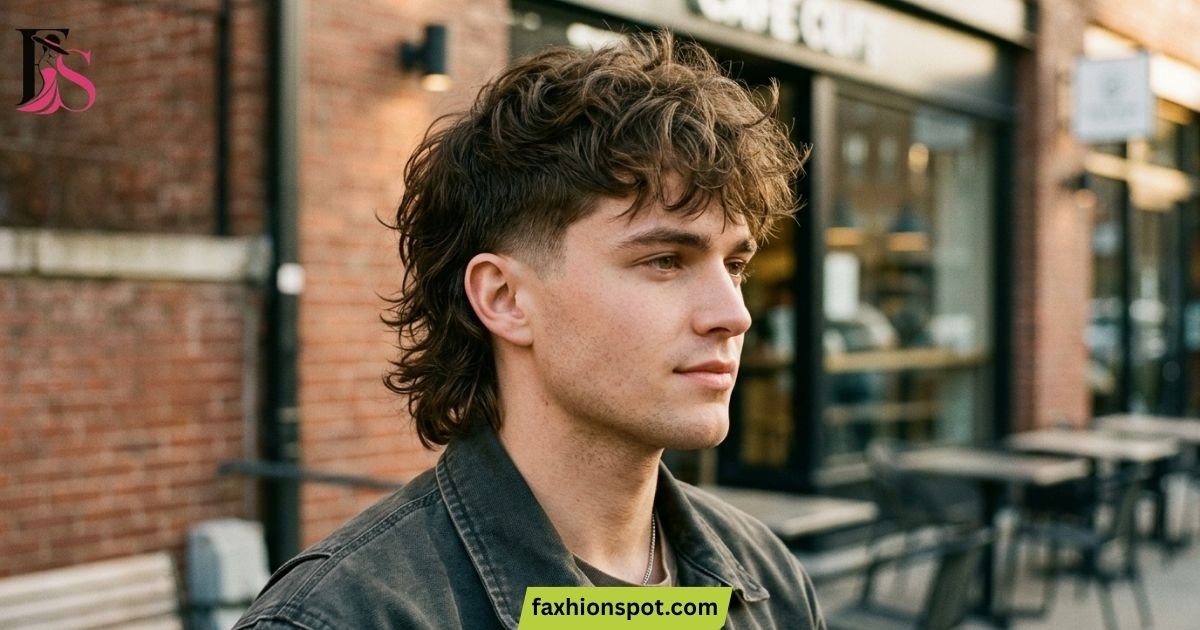
The low taper mullet is a modern men’s haircut that combines clean, gradually shortened sides with longer hair at the back.
It offers a balance between a sharp barbershop finish and the relaxed movement of a traditional mullet.
In 2026, this versatile hairstyle can be customized with textured layers, natural curls, a forward fringe, or a neatly groomed beard.
What Is a Low Taper Mullet?
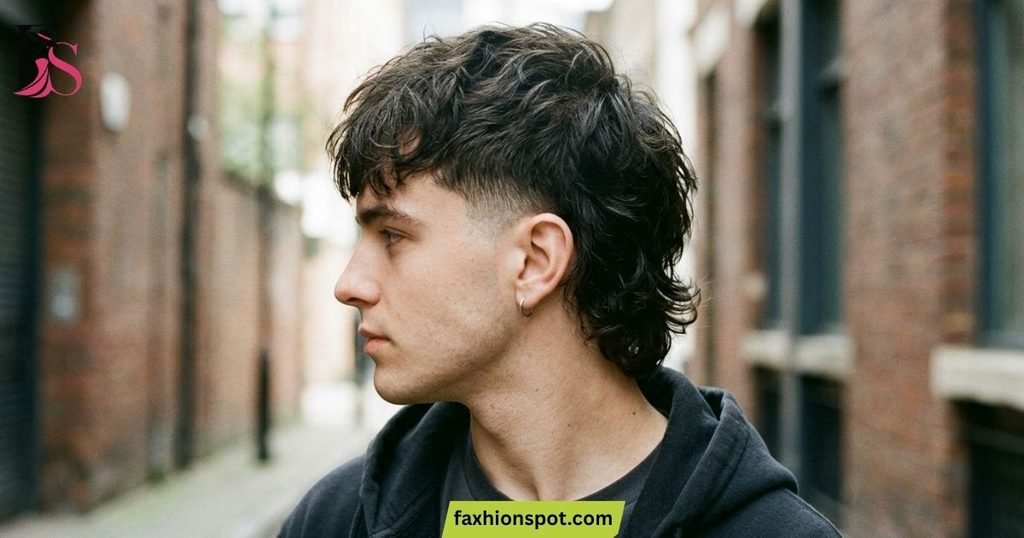
A low taper mullet is a haircut that keeps the hair short around the lower temples, sideburns, and neckline while preserving more length through the crown and back. The gradual taper creates a clean outline without removing too much hair from the sides.
Unlike a traditional mullet with a more dramatic contrast, this modern version can look subtle and polished. The back may be short and layered or long enough to reach the nape of the neck, depending on your preference.
Its defining features include:
- Low taper: Short hair around the ears and neckline that gradually blends into longer sections.
- Textured top: Layers or natural movement that prevent the crown from looking flat.
- Longer back: Extra length that creates the recognizable mullet silhouette.
- Customizable finish: Options ranging from neat and professional to messy and expressive.
The key is to keep the transition balanced. If the sides are cut too high, the haircut may lose its softer appearance. If the back lacks enough length, the mullet shape may become difficult to recognize.
Who Should Try a Low Taper Mullet?
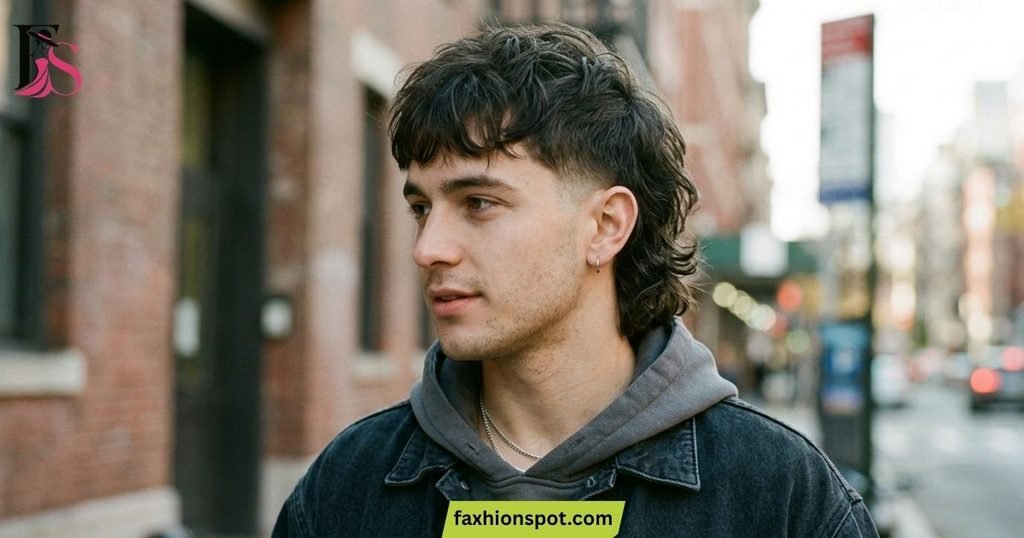
This haircut is a good option for men who want something modern without committing to an extremely short fade. It suits students, trend-conscious professionals, and anyone who enjoys hairstyles with movement and personality.
Your natural hair texture plays an important role in the final result.
| Hair type | Recommended approach |
| Straight hair | Add layers and light texture to create movement. |
| Wavy hair | Preserve the waves and use lightweight styling cream. |
| Curly hair | Keep enough length for the curls to form naturally. |
| Thick hair | Remove excess bulk without making the back too thin. |
| Fine hair | Use shorter layers and lightweight volumizing products. |
Face shape also matters. Oval faces can accommodate many variations, while round faces may benefit from additional height at the crown. Square faces can look balanced with softer layers, and longer faces may suit moderate top volume rather than an excessively tall style.
Your barber should consider your hair density, growth patterns, daily routine, and preferred back length before choosing the final shape.
Benefits of a Low Taper Mullet
There are several reasons this haircut remains an appealing choice in 2026.
- Modern appearance: The tapered edges make the classic mullet look cleaner and more contemporary.
- Styling flexibility: You can wear the top neatly combed, loosely textured, or naturally curly.
- Personal customization: Fringe, beard shaping, layers, and different back lengths create distinct results.
- Natural movement: Keeping length at the back allows the hair to flow instead of appearing uniformly short.
- Adaptable finish: A subtle version can be understated, while a more textured cut creates stronger contrast.
- Manageable daily styling: Once the cut is shaped correctly, a small amount of suitable product may be enough.
One important benefit is that you do not need to style every section identically. The sides can remain neat while the crown and back retain a more relaxed finish.
5 Best Low Taper Mullet Hairstyles
Classic Low Taper Mullet
The classic variation is a practical starting point if you want a recognizable mullet without an exaggerated silhouette. The sides taper gently around the ears, the top maintains moderate volume, and the back remains long enough to create a flowing outline.
This style works particularly well with straight and slightly wavy hair. Ask your barber for soft layers that connect the crown with the back instead of creating an abrupt shelf.
Barber tip: Request a low taper around the temples and neckline, with the back length preserved. Bring a reference photo to show how much contrast you prefer.
Textured Low Taper Mullet
A textured version uses choppy layers and separated strands to create a relaxed, modern finish. It is particularly useful for thick hair that tends to look bulky or heavy when cut into a single length.
The crown can be point-cut to encourage movement, while the back receives light layering. Matte clay or texturizing paste helps define the strands without creating excessive shine.
This style is suitable for casual outfits, streetwear, and everyday wear. Keep the layers proportional to your hair density so the ends do not look thin or uneven.
Curly Low Taper Mullet
Natural curls give this variation extra volume and character. The taper keeps the area around the ears and neckline tidy, while the crown and back retain their natural curl pattern.
The most important step is allowing enough length for your curls to form properly. Cutting curly hair too short or thinning it too aggressively can make the final shape look uneven.
Use a curl cream or leave-in conditioner to reduce frizz and improve definition. A diffuser on low or medium heat can help dry the curls without flattening them.
Best for: Men with loose curls, defined ringlets, or naturally textured hair who want a distinctive silhouette.
Low Taper Mullet with Fringe
Adding a fringe changes the overall appearance by bringing attention toward the forehead. Depending on your preference, the front can be short and choppy, softly swept to the side, or left longer for a relaxed look.
A textured fringe pairs well with a layered back because both sections share a natural, slightly undone finish. This combination can also help balance a larger forehead or soften angular facial features.
Ask your barber to leave sufficient length at the front and avoid cutting the fringe too heavily. Matte paste can separate the strands while keeping them flexible.
Low Taper Fade Mullet with Beard
Combining tapered edges with a beard creates a strong, coordinated appearance. The shorter sections around the ears help keep the haircut neat, while the beard adds definition around the jawline.
A short boxed beard offers a sharp, structured finish. A fuller beard creates more visual weight, while a light stubble keeps the overall appearance understated.
The beard does not need to match the back length. Instead, aim for a balanced transition around the sideburns and a clean neckline.
Barber tip: Ask for the taper and beard blend to be shaped together. This helps the side profile look intentional rather than disconnected.
How to Style a Low Taper Mullet
The best styling routine depends on whether you prefer a relaxed appearance, a polished finish, or defined natural texture. Start with clean hair and use only enough product to control the shape.
Everyday Casual Style
- Wash or lightly dampen your hair.
- Apply a small amount of lightweight styling cream.
- Use your fingers to guide the top backward or toward your preferred part.
- Allow the back to fall naturally.
- Finish with a little matte paste if certain sections need definition.
This routine keeps the hair flexible and avoids a stiff, overly polished finish.
Professional Finish
For a neater appearance, use a comb to direct the top into a controlled shape. Blow-dry on medium heat while guiding the hair away from the forehead or toward a subtle side part.
Apply a small amount of lightweight pomade if you want a little shine and hold. Keep the back smooth and controlled rather than excessively spiked or messy.
If your workplace has a conservative dress code, ask your barber for a shorter back and a softer transition.
Messy Textured Look
Apply texturizing spray to damp hair and rough-dry it with your fingers. Once the hair is dry, work a pea-sized amount of matte clay between your palms.
Separate a few sections around the crown and top, then lightly shape the back. Avoid making every strand look perfectly arranged. The goal is controlled texture rather than a deliberately untidy appearance.
Curly Finish
Apply curl cream or a lightweight leave-in conditioner to damp hair. Gently scrunch the curls upward and allow them to air-dry or use a diffuser on low heat.
Avoid brushing dry curls because it can increase frizz and disrupt their natural pattern. Once dry, separate only the sections that need additional definition.
Best Hair Products for a Low Taper Mullet
Choosing products based on your hair type is more useful than buying every styling product available. Start with one or two essentials and adjust as needed.
| Product | Purpose |
| Matte clay | Adds texture and medium-to-strong hold. |
| Lightweight styling cream | Controls flyaways while preserving movement. |
| Sea salt spray | Encourages a loose, beachy texture in straight or wavy hair. |
| Curl cream | Defines curls and helps manage frizz. |
| Leave-in conditioner | Improves softness and makes longer sections easier to manage. |
| Heat protectant | Helps reduce heat-related damage during blow-drying. |
| Lightweight pomade | Provides controlled styling and a more polished finish. |
For fine hair, avoid heavy waxes and creams that flatten the crown. Thick hair may benefit from a stronger-hold product, while curls generally respond better to moisturizing formulas.
Use products sparingly at first. Applying too much can make the hair greasy, weigh down the back, or leave visible buildup.
Maintenance Tips
A well-shaped haircut depends on more than the initial barber visit. Simple care habits help preserve the taper, protect the longer sections, and keep the overall style balanced.
Visit Your Barber Every 4–6 Weeks
Book a trim every four to six weeks as a general starting point. If you prefer very sharp edges, you may want a shorter interval for taper cleanups. Longer, relaxed styles can sometimes go longer between full reshaping appointments.
Tell your barber to refresh the edges without removing unnecessary length from the back.
Wash Hair Properly
Choose a shampoo suited to your scalp and hair type. Wash as often as needed to remove sweat, oil, and product buildup without leaving your hair feeling excessively dry.
Use lukewarm water and avoid aggressive scrubbing along the longer sections.
Condition Regularly
Apply conditioner mainly to the mid-lengths and ends, especially if the back is dry, curly, or prone to tangling. Rinse thoroughly to avoid residue.
For curls and waves, a leave-in conditioner may help maintain softness and definition between washes.
Avoid Heavy Styling Products
Too much product can make the crown appear flat and the longer back look greasy. Start with a small amount, distribute it evenly, and add more only if necessary.
Clarify your hair occasionally if styling products begin to build up.
Protect Hair from Heat
Use a heat protectant before blow-drying, and avoid holding hot tools too close to the hair. Medium or low heat is often enough to shape the top and encourage natural movement.
Whenever possible, let the hair partially air-dry before using a dryer.
Common Mistakes to Avoid
Even a good haircut can look unbalanced when the proportions or styling are wrong. Avoid these common problems:
- Tapering too high: A high transition can remove the subtle outline you wanted.
- Cutting too much from the back: Excessive shortening weakens the mullet silhouette.
- Ignoring the crown: Heavy or poorly blended crown layers can create an awkward shape.
- Using too much product: Excessive wax or clay makes hair appear stiff and heavy.
- Choosing the wrong fringe: A fringe that is too thick or too short may not suit your face shape.
- Over-thinning curly hair: Aggressive thinning can create frizz and uneven volume.
- Skipping maintenance: An overgrown taper can make the haircut lose its clean outline.
- Giving vague barber instructions: The word “mullet” alone does not explain your preferred taper height or back length.
A useful approach is to bring a clear reference image and explain which details you want to keep. Mention the taper height, desired length at the back, top texture, and whether you want a natural or sharply defined neckline.
Low Taper Mullet vs Other Popular Mullet Haircuts
The main difference between these styles is where the shorter blend begins and how much hair remains around the sides.
| Feature | Low Taper Mullet | Mid Taper Mullet | Burst Fade Mullet |
| Taper placement | Low around the ears and neckline | Higher around the sides | Curved around the ears |
| Side appearance | Soft and understated | More noticeable contrast | Distinctive curved fade |
| Back length | Usually preserved | Usually preserved | Usually preserved |
| Overall look | Balanced and subtle | Sharper and more defined | Bold and expressive |
| Styling preference | Natural or polished | Defined and modern | Dramatic and textured |
| Best suited to | Everyday versatility | Stronger side contrast | A statement haircut |
Choose the low version if you prefer a subtle transition and more natural side weight. A mid taper creates a more visible blend, while a burst fade emphasizes the area around the ears with a curved shape.
The right option depends on your preferred silhouette, natural hair growth, and how dramatic you want the finished haircut to look.
Click Here To Read Another Topic
Pros and Cons of a Low Taper Mullet
Pros
- Combines neat sides with a longer, expressive back.
- Works with straight, wavy, curly, and thick hair when customized.
- Offers several styling options, including a fringe and beard combination.
- Can look subtle enough for many everyday settings.
- Allows you to preserve length while refreshing the edges.
Cons
- Requires enough back length to maintain its characteristic shape.
- Needs occasional barber visits to keep the taper clean.
- May need daily styling if your hair becomes bulky or loses its shape.
- Can look unbalanced if the crown, sides, and back are poorly blended.
- May not meet every workplace’s grooming expectations.
Overall, this haircut is worth considering if you enjoy a modern style and are comfortable maintaining the longer sections. A softer version is a sensible starting point if you have never tried a mullet before.
FAQs – Low Taper Mullet
What is a low taper mullet?
It combines gradually shortened hair around the ears and neckline with a longer, layered back, creating a modern take on the classic mullet.
Is a low taper mullet suitable for all hair types?
It can be adapted for straight, wavy, curly, and thick hair, although the layering and length should be adjusted to suit each texture.
How often should I trim a low taper mullet?
A trim every four to six weeks is a useful guideline, with more frequent edge cleanups if you prefer a particularly sharp taper.
Which face shape looks best with a low taper mullet?
Oval and square faces can suit many versions, but the top volume, fringe, and back length can be adjusted for round, long, and diamond-shaped faces.
What products should I use for a low taper mullet?
Matte clay works well for texture, styling cream offers flexible control, and curl cream or leave-in conditioner helps maintain curly hair.
Conclusion
The low taper mullet offers a useful combination of clean edges, natural texture, and longer back length.
Its versatility makes it suitable for different hair types and personal preferences, from a classic layered finish to a curly variation or a sharper beard combination.
For the best result, choose a style that complements your face shape and natural hair growth.
1 thought on “Low Taper Mullet Haircut Stylish Ideas, Barber Tips 2026”