A low taper fade with buzz cut is a clean, modern hairstyle that combines evenly clipped hair on top with a gradual blend around the ears and neckline. It offers the simplicity of a traditional buzz cut while adding a sharper, more polished finish.
Whether you prefer a very short military-inspired look or a slightly longer cut with texture, the right clipper guard and taper placement can make a noticeable difference.
What Is a Low Taper Fade with Buzz Cut?
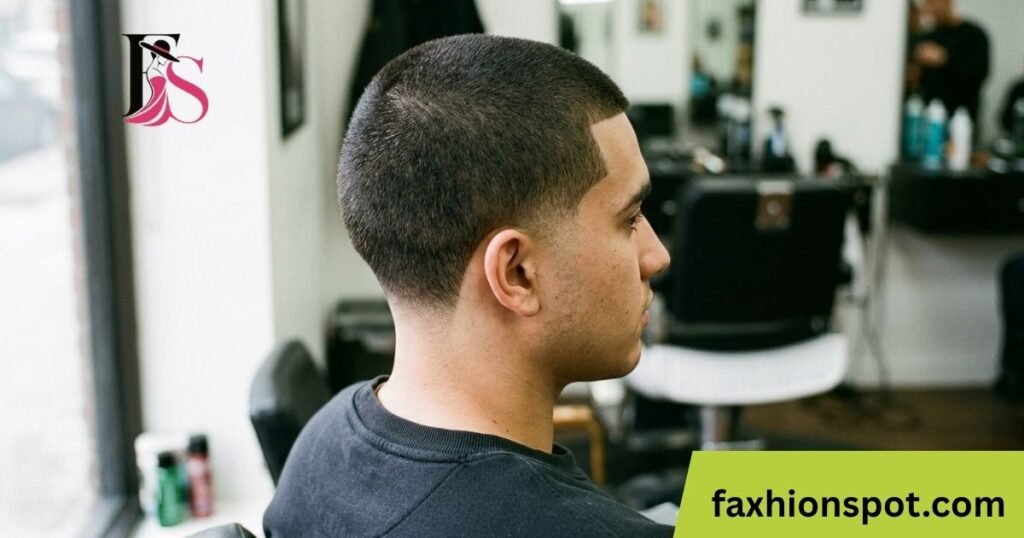
This haircut combines two techniques: a buzz cut and a low taper fade. The buzz cut keeps the hair on top short and relatively uniform, while the taper gradually shortens the hair around the sideburns, ears, and neckline.
Unlike a high fade, which removes more hair higher up the sides, a low taper stays close to the natural hairline. This creates a subtle transition that looks neat without making the sides appear excessively bare.
The finished look depends on your chosen guard number, hair density, hairline, and the barber’s blending technique. You can keep it simple with a uniform top or add a sharp line-up, a beard, or a closer taper around the edges.
Quick answer: Start with a number 2 or number 3 guard on top for a classic short buzz. Ask your barber to keep the taper low around the temples and neckline, adjusting the length to suit your hair and preferences.
Why This Haircut Is So Popular
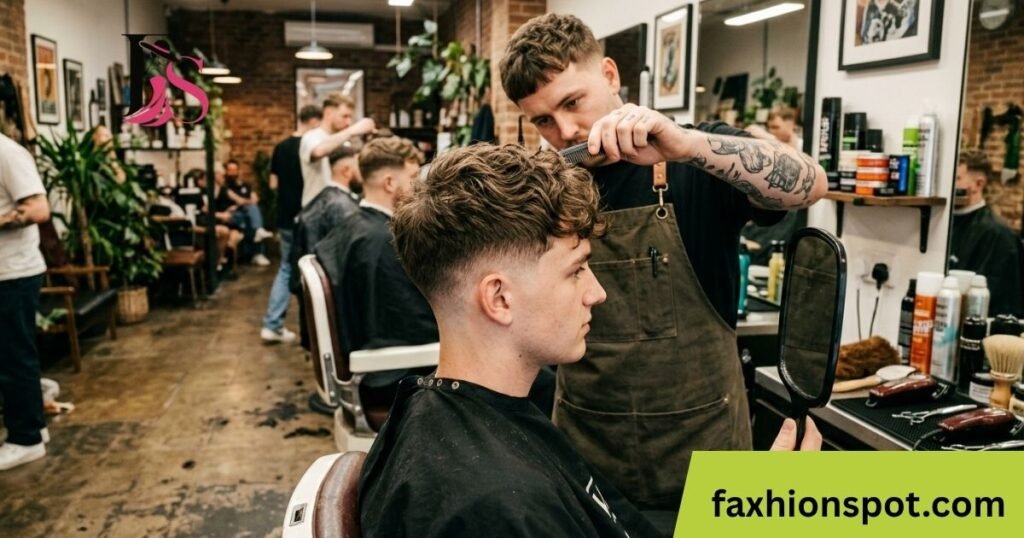
This style appeals to people who want a sharp appearance without spending much time styling their hair every morning. It is practical, adaptable, and easy to personalize.
Here are the main reasons it remains a popular choice:
- Low styling effort: You usually do not need a comb, blow-dryer, or styling product.
- Clean appearance: A gradual taper makes the haircut look more finished than a uniform buzz.
- Flexible length: Different guards create anything from a close crop to a fuller, textured buzz.
- Works with facial hair: The short sides can complement stubble, a mustache, or a full beard.
- Suitable for different settings: The understated shape can work for school, the office, sports, and casual occasions.
- Easy grooming routine: Regular clipper trims help preserve the shape without complicated styling.
Keep in mind that low maintenance does not mean zero maintenance. The hair continues growing, and the taper may lose its crisp appearance after a few weeks.
Best Buzz Cut Guard Sizes for a Low Taper
Clipper guard numbers determine approximately how much hair remains after cutting. For most traditional buzz cuts, guards #1 through are common choices, with #2 and #3 offering a useful balance between a close crop and visible coverage.
Guard #1 Buzz Cut
A #1 guard leaves approximately 3 mm (1/8 inch) of hair. It creates a very short, close-cropped appearance that emphasizes the scalp and the natural shape of the head.
Choose this length if you prefer a bold, minimal look and have enough density to achieve the finish you want. If you are concerned about scalp visibility, ask your barber to test a slightly longer guard first.
Guard #2 Buzz Cut
A #2 guard leaves approximately 6 mm (1/4 inch) of hair. It is a versatile choice for anyone who wants a traditional short buzz without going extremely close to the scalp.
This length pairs well with a low taper because the longer top creates a subtle contrast with the shorter edges. It is also a practical starting point for people trying a short haircut for the first time.
Guard #3 Buzz Cut
A #3 guard leaves approximately 10 mm (3/8 inch) of hair. It creates a fuller appearance and can preserve more visible texture than shorter guard sizes.
This option is useful if you want a neat cut without making your scalp too prominent. It can also work well for people who prefer a slightly softer finish around their hairline.
Guard Buzz Cut
A guard leaves approximately 13 mm (1/2 inch) of hair. It produces a longer buzz that provides more coverage and allows some natural hair texture to remain visible.
Choose this length if you want a relaxed appearance or are unsure about going very short. Your barber can keep the top at and gradually blend the edges to create a balanced shape.
Buzz Cut Guard Size Comparison
| Guard number | Approximate length | Overall appearance | Best starting point for |
| #1 | 3 mm | Very short and close | A bold, minimal crop |
| #2 | 6 mm | Short and defined | A classic buzz |
| #3 | 10 mm | Fuller and softer | Everyday versatility |
| 13 mm | Longer and more textured | Extra coverage |
Measurements are approximate and reflect common clipper guard standards. Actual results can vary by clipper brand, blade setting, hair texture, and cutting technique.
Best Low Taper Fade with Buzz Cut Styles
The basic haircut can be adapted in several ways. Choose a variation based on how much definition you want, whether you wear facial hair, and how closely you prefer your sides to be cut.
Classic Low Taper Buzz Cut
The classic version features a uniform short top with a gentle taper near the temples, sideburns, and neckline. It avoids unnecessary designs and keeps the overall silhouette simple.
A guard is a useful starting point. This variation suits people who want a tidy everyday hairstyle that works in professional and casual environments.
Buzz Cut with Line Up
A line-up adds clean, defined edges around the forehead and temples. Combined with a low taper, it creates a sharper finish without requiring extra length on top.
This style can look particularly striking with naturally defined corners and a neat hairline. Ask your barber to follow your natural hairline rather than pushing it too far back, which can make the haircut look unnatural as it grows.
Low Taper Buzz Cut with Beard
Pairing a short buzz with a beard creates a balanced look by combining a simple hairstyle with more definition around the jaw. The beard can be short, medium-length, or full, depending on your preferences.
Ask your barber to blend the sideburn area carefully into the beard. Keeping the neckline and cheek lines tidy helps the overall style look intentional rather than disconnected.
Skin Fade Low Taper Buzz
A skin fade low taper takes the hair down to bare skin around the lowest part of the sideburns or neckline before blending into longer hair. It offers more contrast than a traditional taper.
Although the terms are sometimes used interchangeably, a standard taper does not necessarily expose the skin. Tell your barber explicitly if you want a skin-close finish at the edges.
Curly Buzz Cut with Low Taper
Naturally curly hair can add texture and visual depth to a short crop. Keeping a little more length on top allows the curl pattern to remain visible, while the tapered edges create a cleaner outline.
A may be a suitable starting point, but curl shrinkage and density affect the final result. Ask your barber to assess your curls in their natural state before choosing the length.
Long Buzz Cut with Low Taper
A longer buzz retains more hair on top while maintaining short, tidy edges. A guard is a common option, although some people prefer a longer clipper setting for additional coverage.
This variation is useful if you want the convenience of a short haircut without the exposed look of a very close crop. It also gives the barber more flexibility to work with cowlicks and uneven growth patterns.
Athletic Buzz Cut
The athletic version keeps the hair short, practical, and easy to manage during workouts or outdoor activities. A guard can create a particularly close finish, while a low taper makes the edges look more refined.
You do not need an extremely short length to achieve this look. Select a guard that feels comfortable and consider scalp protection when spending time outdoors.
Which Face Shapes Suit This Haircut?
This haircut can suit many face shapes, but the top length and edge definition influence the overall proportions. Use the following suggestions as starting points rather than strict rules.
Round Face
A slightly shorter top with neatly tapered sides can create a more defined appearance. If you want extra visual length, ask your barber to retain a little more height on top rather than cutting everything extremely close.
Oval Face
Oval faces are generally adaptable to different buzz cut lengths. You can experiment with #1 through , a defined line-up, or a beard without needing to correct major proportions.
Square Face
A square face often has a broad forehead and a defined jawline. A classic buzz with a soft taper complements these features, while a crisp line-up can emphasize the angular shape.
Choose sharp or rounded edges based on the effect you prefer.
Long Face
If your face is naturally long, avoid adding unnecessary height on top. A buzz with a low, subtle taper can help maintain balanced proportions.
Facial hair can also change how the overall face appears. If you wear a beard, consider its length and shape when choosing your haircut.
Best Hair Types for This Cut
Hair texture and density affect how the same guard number looks on different people. A barber can adjust the length and blending technique to accommodate your natural growth pattern.
Straight Hair
Straight hair creates a clean, uniform buzz and makes the taper transition easy to see. Because individual strands may lie close to the scalp, shorter lengths can reveal the scalp more clearly.
Consider a if you want a little coverage, and discuss any visible cowlicks before the cut.
Thick Hair
Thick hair generally provides good coverage at short lengths and can produce a strong, defined silhouette. A can work well if you prefer a close crop.
Your barber may need several passes to remove dense hair evenly. Ask for a consistent top length and a smooth transition around the ears.
Curly Hair
Curly hair can retain a noticeable texture even when cut short. Depending on curl tightness, a may leave enough length to show the natural pattern.
Remember that curls can spring upward after cutting. A barber experienced with curly hair can help you select a guard that avoids making the top shorter than expected.
Fine Hair
Fine or thinning hair may show more scalp at short lengths. A slightly longer guard, such as , can sometimes create a softer appearance by retaining more coverage.
Results depend on hair density and the location of thinning. If your hair is uneven, ask the barber to assess it before choosing a uniform close crop.
Low Taper Buzz Cut vs Regular Buzz Cut
Both styles are short and practical, but the edges make a noticeable difference.
| Feature | Low taper buzz cut | Regular buzz cut |
| Top length | Usually uniform and short | Usually uniform and short |
| Around the ears | Gradually shortened | Often the same length as the top |
| Neckline | Tapered and refined | May remain uniform or be outlined |
| Overall finish | More shaped and polished | Simpler and more uniform |
| Maintenance | Edge touch-ups may be needed | Simple all-over trimming |
| Customization | Can include a line-up or beard blend | Primarily varies by guard length |
Choose a regular buzz if you prefer a straightforward, uniform crop. Choose the tapered version if you want the same simplicity with more definition around the edges.
How to Ask Your Barber for a Low Taper Buzz Cut
Clear instructions help your barber understand the exact finish you want. Instead of saying only that you want short hair, explain the top length, taper placement, and preferred edge style.
Use this simple script:
“I want a buzz cut with a guard on top, depending on what you recommend for my hair. Keep the taper low around the temples, sideburns, and neckline. Blend it smoothly, leave the top even, and keep my natural hairline. Please show me the length before going shorter.”
Before the haircut, discuss these details:
- Top length: Choose a guard number based on the amount of coverage you want.
- Taper height: Specify that the blend should stay low rather than rising toward the upper sides.
- Skin exposure: Explain whether you want a standard taper or a skin-close finish.
- Hairline: Request a natural outline or a more defined line-up.
- Beard connection: If you have facial hair, ask for a smooth sideburn transition.
- Reference photo: Show a picture of the finished style you want, ideally from the front and side.
If this is your first short buzz, ask the barber to start longer. You can always remove more hair, but you cannot restore the length immediately.
Click Here To Read Another Topic
Common Mistakes to Avoid
Even a simple haircut depends on proportion, technique, and upkeep. Avoid these common errors to get a more predictable result.
Going Too Short the First Time
Choosing the shortest guard immediately can expose more scalp than expected. Start with a if you are unsure, then shorten the hair gradually after seeing the result.
Taking the Fade Too High
A taper that rises too far can change the intended shape and create more contrast than you wanted. Explain that the blend should remain close to the ears and neckline.
Ignoring Scalp Care
Short hair leaves more of the scalp exposed to sunlight and environmental conditions. Use a suitable moisturizer if your scalp feels dry, and apply broad-spectrum sunscreen to exposed areas when outdoors.
If you experience persistent irritation, scaling, or unusual scalp changes, seek advice from a qualified healthcare professional.
Maintenance Tips
A fresh taper gradually loses its definition as the hair grows. A simple routine can keep the haircut looking neat without excessive grooming.
- Every 1–2 weeks: Check whether the edges need a touch-up, depending on your preferred level of sharpness.
- Every 2–4 weeks: Consider a full trim to maintain the top length and taper shape.
- After washing: Gently dry the scalp and avoid harsh products that leave residue.
- Between barber visits: Do not aggressively reshape the hairline yourself unless you are confident with clippers.
- During outdoor activities: Protect the scalp from excessive sun exposure, particularly when the hair is very short.
These are flexible maintenance intervals, not fixed rules. Your growth rate and desired finish determine how often you need a trim.
Conclusion
A low taper fade with buzz cut is a practical choice for anyone who wants short hair with a clean, modern finish.
The key is choosing a guard size that suits your hair density and preferred level of coverage, then keeping the taper low around the ears and neckline.
A guard is a useful starting point for many people, while a can provide additional length and a softer appearance.
Frequently Asked Questions
What is the best guard number for a low taper buzz cut?
A guard is a versatile starting point for a short, balanced look. Choose #1 for a closer crop or for more coverage.
Is this haircut good for the office or school?
Yes, its short length and neat edges make it suitable for many school and workplace settings, although individual dress codes may differ.
Does a low taper buzz cut work with a beard?
Yes, it pairs well with stubble, a short beard, or a fuller beard when the sideburns and neckline are blended neatly.
Is this haircut good for thinning hair?
It can work well for some people with thinning hair, but the best length depends on scalp visibility and hair density.
2 thoughts on “Low Taper Fade with Buzz Cut: Best Styles, Guard Sizes & Barber Tips”