A Low Taper Fade for Curly Hair is a stylish, modern haircut that keeps your natural curls full on top while gradually shortening the hair around the sideburns and neckline.
It creates a clean, balanced appearance without removing the texture that makes curly hair unique. Whether you have loose waves, defined ringlets, tight curls, or coily hair, this haircut can be adapted to suit your style.
In this guide, you will learn how to choose the right curl length, compare different fade styles, communicate with your barber, and maintain healthy-looking curls between haircuts.
What Is a Low Taper Fade for Curly Hair?
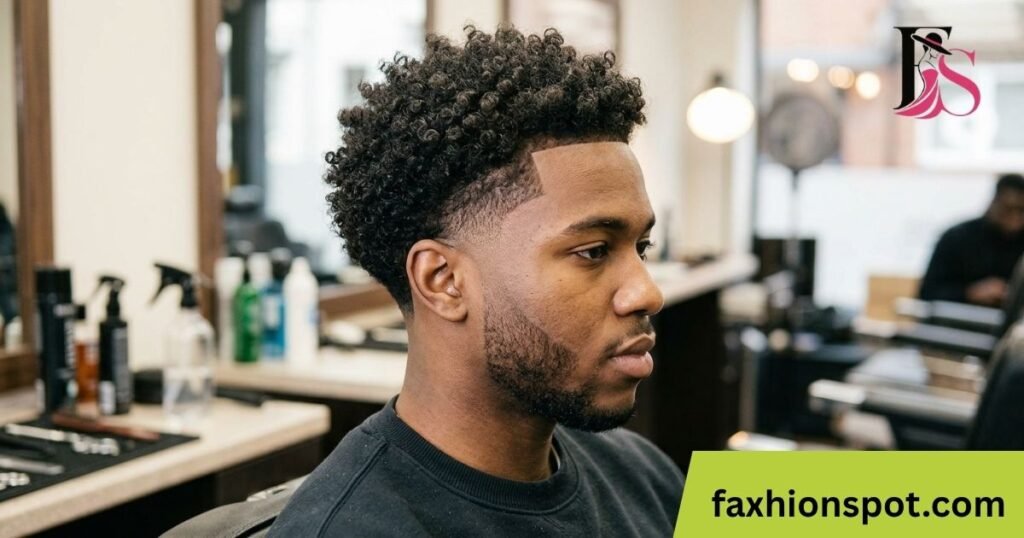
A low taper fade is a men’s haircut in which the hair gradually becomes shorter around the lower sideburns, temples, and neckline. The taper stays low on the head, leaving more length and fullness above the ears and across the crown.
When adapted for curly hair, the cut focuses on maintaining the natural curl pattern while cleaning up the edges. Your barber can use clippers to create a smooth transition and scissors to shape the curls on top.
Unlike a high fade, this haircut does not remove as much hair from the sides. The result is a natural-looking shape that highlights your curls without making the overall haircut appear too dramatic.
Key features include:
- A gradual taper around the temples and neckline.
- Natural curls preserved on top.
- Clean sideburns and a neat hairline.
- Adjustable length for different curl patterns.
- A balanced finish suitable for casual and professional settings.
Why Is a Low Taper Fade Perfect for Curly Hair?
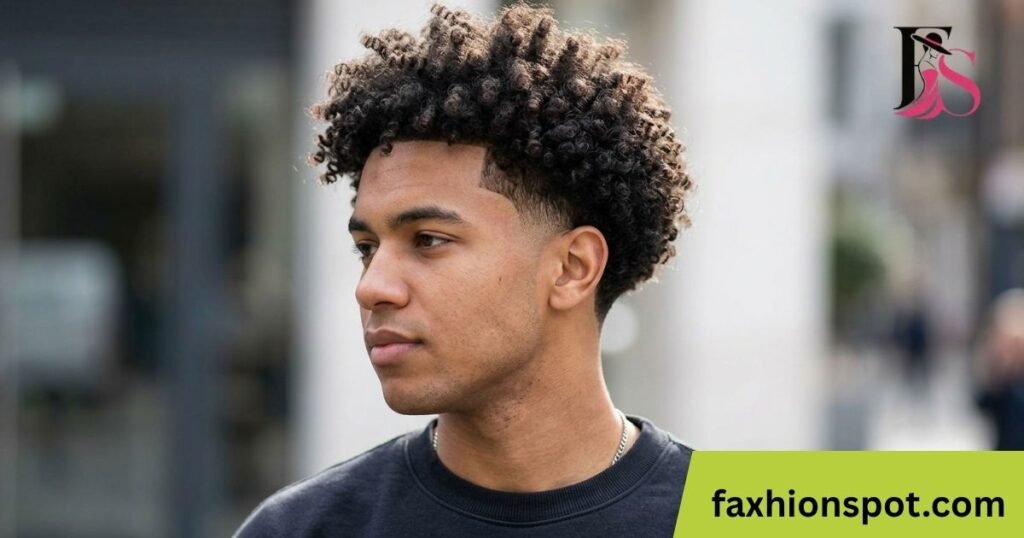
A Low Taper Fade for Curly Hair works particularly well because it combines controlled edges with natural volume. Curly hair can expand outward as it dries, and removing a little bulk around the lower sides helps create a more balanced silhouette.
Another advantage is flexibility. You can keep your curls short and neat, style them into a textured fringe, or grow them longer for a fuller appearance. The low placement allows the natural texture to remain the main feature.
Here are the main benefits:
- Preserves curl definition: Most of your curl length stays on top.
- Creates a clean shape: Shorter edges frame your face.
- Offers styling flexibility: You can wear the curls naturally or define them with a curl cream.
- Works for different occasions: The finish can be subtle, bold, or professional.
- Allows gradual grow-out: Because the tapered area is small, the haircut can remain balanced as it grows.
Keep in mind that the final result depends on your hair density, curl shrinkage, head shape, and barber’s technique.
Low Taper Fade for Different Curl Types
Not all curls behave the same way. Your curl pattern affects how much length you need, which styling products work best, and how your haircut looks after drying.
Wavy Hair (Type 2A–2C)
Wavy hair forms loose bends or more defined S-shaped patterns. A low taper can clean up the edges while allowing the waves to flow naturally over the crown.
For Type 2A hair, a shorter textured top can add structure without requiring much styling. Type 2B and 2C hair may benefit from extra length to show their natural movement.
Best styling ideas:
- Textured wavy top with a low taper.
- Side-parted waves.
- Messy fringe with natural volume.
- Medium-length waves with a clean neckline.
Use a lightweight styling cream or mousse if your hair needs extra definition. Avoid heavy products that make fine waves look flat.
Loose Curls (Type 3A–3B)
Type 3A and 3B hair usually forms visible curls or ringlets. These patterns look especially good when the top has enough length to show separation and movement.
A low taper keeps the sides neat while allowing the curls to remain the focal point. You can choose a rounded top for a relaxed look or a textured fringe for a more contemporary finish.
Ask your barber to remove bulk carefully rather than cutting the top too short. Curly hair can appear significantly shorter when dry because of shrinkage.
For everyday styling, apply a small amount of curl cream to damp hair, scrunch gently, and allow it to air-dry.
Tight Curls (Type 3C–4A)
Tight curls have a smaller, more compact pattern that can create substantial volume. A low taper provides a clean outline without requiring you to reduce the fullness of the crown.
A short curly crop works well if you want a practical haircut. If you prefer more height, leave additional length on top and ask your barber to shape it according to your natural curl pattern.
You can also combine the cut with a subtle line-up for a sharper finish. However, the hairline should complement your natural growth rather than being pushed too far back.
Coily Hair (Type 4B–4C)
Coily hair has a tight pattern and may shrink considerably when dry. A low taper can create a defined perimeter while preserving the natural shape and density of the top.
Consider a rounded coily top, a short afro, or a sponge-defined style. The best choice depends on how much height and daily styling you prefer.
Moisture is particularly important for tightly coiled hair. Use a suitable conditioner and, if needed, a leave-in product that helps reduce tangling. Handle the hair gently to minimize breakage.
Your barber should understand your curl pattern and avoid removing too much length from the crown unless you specifically request a shorter shape.
Best Length for Curls on Top
The ideal top length depends on your curl pattern, desired volume, and willingness to style your hair each morning. A Low Taper Fade for Curly Hair can work with short, medium, or long curls as long as the proportions are balanced.
Short Curls
Short curls are a practical choice for men who prefer a clean appearance and minimal daily styling.
This length is ideal for busy schedules, sports, school, and workplaces with conservative grooming expectations. A small amount of curl cream may be enough to improve definition.
Choose short curls if you want a neat silhouette without spending much time in front of the mirror.
Medium-Length Curls
Medium-length curls offer a useful balance between volume and manageability. They provide enough length for defined ringlets, a messy top, or a curly fringe without creating excessive bulk.
This option suits men who enjoy styling their hair but do not want to maintain a long curly hairstyle.
Ask your barber to preserve the natural shape and remove only the weight needed to achieve your preferred finish.
Long Curls
Long curls create more movement and a fuller silhouette. They can be styled forward, swept slightly to the side, or left to form a natural rounded shape.
However, longer curls usually require more conditioning, careful detangling, and attention to frizz. The low taper keeps the perimeter neat while the top grows.
If you are growing your hair, tell your barber to maintain the shape rather than cutting away too much length during each visit.
Low Taper Fade vs. Low Fade vs. Regular Taper
These haircuts may look similar at first, but they differ in how much hair is removed and where the transition occurs.
| Feature | Low taper fade | Low fade | Regular taper |
| Main area | Sideburns, temples, and neckline | Lower sides and back | Temples and neckline, depending on the cut |
| Amount of hair removed | Concentrated around the edges | Often removes more hair across the sides | Gradual shortening without necessarily fading to skin |
| Overall appearance | Clean and natural | More noticeable contrast | Classic and understated |
| Curl volume | Preserves fullness above the taper | May reduce more side volume | Keeps a traditional, balanced shape |
| Maintenance | Moderate | Moderate to high | Usually moderate |
Low Taper Fade
This style concentrates the shortest hair around the temples, sideburns, and neckline. It keeps the transition relatively low and preserves more fullness above the ears.
For men who want their curls to remain the main feature, this is often an excellent starting point.
Best Option for Curly Hair
For many men, the low taper is the best option because it cleans up the outline without requiring a major change to the natural curl shape. It also gives you room to experiment with different top lengths.
However, the best haircut depends on your preferences. Men who want a stronger contrast may prefer a low fade, while those who like a traditional finish may choose a regular taper.
Low Fade: Shorter and Bolder
A low fade usually extends farther around the sides than a temple-and-neckline taper. It can create a stronger contrast between the curls and the shorter hair.
Choose this style if you want a more defined side profile or prefer a closer-cut appearance. Ask your barber to show you the intended fade height before cutting.
Regular Taper
A regular taper gradually shortens the hair around the edges while maintaining a more traditional appearance. Depending on the technique, it may not fade as close to the skin.
This is a good choice if you want subtle grooming rather than a pronounced modern fade.
Face Shapes That Suit a Low Taper Fade
Your face shape can help you decide how much height, width, and fringe to keep in your haircut. These are useful guidelines rather than strict rules.
Round Face
A round face typically has similar width and length, with softer angles. Adding some height to the curls can create a more elongated appearance.
Try a textured top or a slightly lifted curly style. Avoid excessive side volume if your goal is to make the face appear longer.
Adds Balance
For a round face, the combination of controlled sides and moderate height can help balance facial proportions. A defined top also creates a clearer outline.
If you prefer a fringe, keep its shape deliberate rather than allowing too much width across the forehead.
Oval Face
Oval faces generally work well with many haircut variations. You can experiment with short curls, longer ringlets, a curly fringe, or a natural rounded top.
Choose the version that suits your hair density and personal style rather than following a rigid face-shape rule.
Square Face
Square faces often have a broad jaw and defined angles. Natural curls can soften the overall appearance without hiding those features.
A textured top with a clean taper is a versatile choice. You can keep the sides neat and allow the curls to add movement above.
Long Face
For a longer face, consider keeping the curls at a moderate height and allowing some texture to fall forward. This can create a more balanced visual proportion.
Avoid adding excessive height if you want to minimize the appearance of facial length. A curly fringe may be worth considering.
What to Tell Your Barber
Clear instructions help your barber understand the finish you want. Bring reference pictures showing the front, side, and back of the haircut whenever possible.
You can use this simple script:
“I want a low taper fade around my temples, sideburns, and neckline. Please keep my natural curls longer on top, blend the sides smoothly, and avoid taking the fade too high. Shape the top according to my curl pattern and show me the length before cutting too much.”
Also discuss these details:
- Top length: Tell the barber whether you want short, medium, or long curls.
- Fade height: Specify that you want the taper to remain low.
- Blend strength: Decide whether you prefer a soft transition or a closer finish.
- Hairline: Request a natural edge or a sharper line-up.
- Neckline: Choose a natural, tapered, or squared finish.
- Texture: Explain whether you want a rounded shape, fringe, or more height.
If you are unsure about clipper guard numbers, ask the barber to recommend them after examining your hair. Guard numbers can vary in their effect depending on the clipper, technique, and starting hair length.
How to Style a Low Taper Fade
Styling curly hair is easier when you work with its natural pattern instead of trying to force it into a different shape.
Follow these steps:
- Start with damp hair. After washing or refreshing your curls, gently remove excess water.
- Apply a suitable product. Use a small amount of curl cream or leave-in conditioner suited to your hair type.
- Distribute it evenly. Work the product through the curls with your fingers.
- Encourage definition. Scrunch the curls gently from the ends toward the roots.
- Dry carefully. Air-dry or use a diffuser on a low or moderate heat setting.
- Finish naturally. Separate a few curls with your fingers if needed instead of repeatedly brushing them.
Avoid applying too much product at once. Heavy waxes or creams may weigh down fine curls, while a suitable moisturizing product can help thicker curls remain manageable.
Washing and Hair Care Tips
Good hair care helps your curls look defined and keeps the haircut looking its best. Curly and coily hair can be prone to dryness and breakage, so a gentle routine is important.
The American Academy of Dermatology recommends washing according to your hair’s needs, conditioning curly hair along its length, and detangling gently with a wide-tooth comb. The right frequency depends on your scalp, hair texture, and product buildup.
Use these practical habits:
- Choose shampoo and conditioner designed for your hair type.
- Concentrate shampoo on the scalp rather than aggressively rubbing the lengths.
- Apply conditioner to help soften and detangle curls.
- Detangle gently when the hair is damp and conditioned.
- Avoid rubbing curls vigorously with a rough towel.
- Limit excessive heat and use heat protection when blow-drying.
- Remove product buildup when needed.
- Protect your curls from friction while sleeping.
You do not need an expensive routine. Consistency and products suited to your hair are more important than buying numerous styling products.
How Often to Get a Trim?
The right trimming schedule depends on how sharp you want the edges to remain and how quickly your hair grows.
| Maintenance goal | Suggested interval |
| Keep the taper very sharp | About every 2–3 weeks |
| Maintain a neat everyday shape | About every 3–4 weeks |
| Keep a softer, grown-out appearance | About every 4–6 weeks |
| Maintain longer curls | Trim when the shape or ends need attention |
These are general grooming estimates, not fixed rules. Your personal growth rate and preferred finish will determine the best schedule.
You can refresh the sideburns and neckline without removing much length from the top. If you are growing your curls, tell your barber to preserve the overall shape.
Click Here To Read Another Topic
Mistakes to Avoid
Even a good haircut can disappoint if the taper is too high or the curls are cut without considering their natural shrinkage.
Avoid these common mistakes:
- Taking the fade too high: This may remove more side fullness than you wanted.
- Cutting too much from the top: Your curls may look much shorter when dry.
- Ignoring your curl pattern: Different textures need different cutting and styling approaches.
- Using too much product: Heavy styling products can leave buildup or weigh down the curls.
- Brushing dry curls aggressively: This can increase frizz and breakage.
- Skipping conditioning: Dry hair can become harder to detangle and manage.
- Choosing a haircut from one angle: A photo of the front alone may not show the neckline or side blend.
- Expecting the fade to stay sharp indefinitely: Hair grows, so regular maintenance is necessary.
The most important rule is to communicate clearly with your barber and make decisions based on your own hair rather than a photo that may show a different texture.
Final Thoughts
A Low Taper Fade for Curly Hair is a versatile option for men who want clean edges without sacrificing their natural texture.
It can work with loose waves, defined ringlets, tight curls, and coily hair when the cut is adapted to the individual’s needs.
With the right barber and a manageable routine, you can enjoy a haircut that looks polished while allowing your curls to remain the star of the style.
Frequently Asked Questions
Is a low taper fade good for curly hair?
Yes. It cleans up the temples and neckline while preserving the curls on top, making it suitable for many natural curl patterns.
Is it low maintenance?
It is relatively easy to style, but keeping the edges sharp requires periodic trims. Your curls may also need conditioning and light styling.
Does it work for thick curly hair?
Yes. It can create a balanced shape around thick curls while retaining volume on top. The barber should remove bulk carefully.
Is it suitable for school and office?
Yes. A neat, natural version can suit school, college, and many professional settings. Choose a finish that follows your school’s or workplace’s grooming rules.
How long does it stay fresh?
The haircut may look sharp for around two to four weeks, depending on hair growth and the finish you prefer. Softer tapers can remain presentable longer.
2 thoughts on “Low Taper Fade for Curly Hair: A Simple Style Guide for Men”