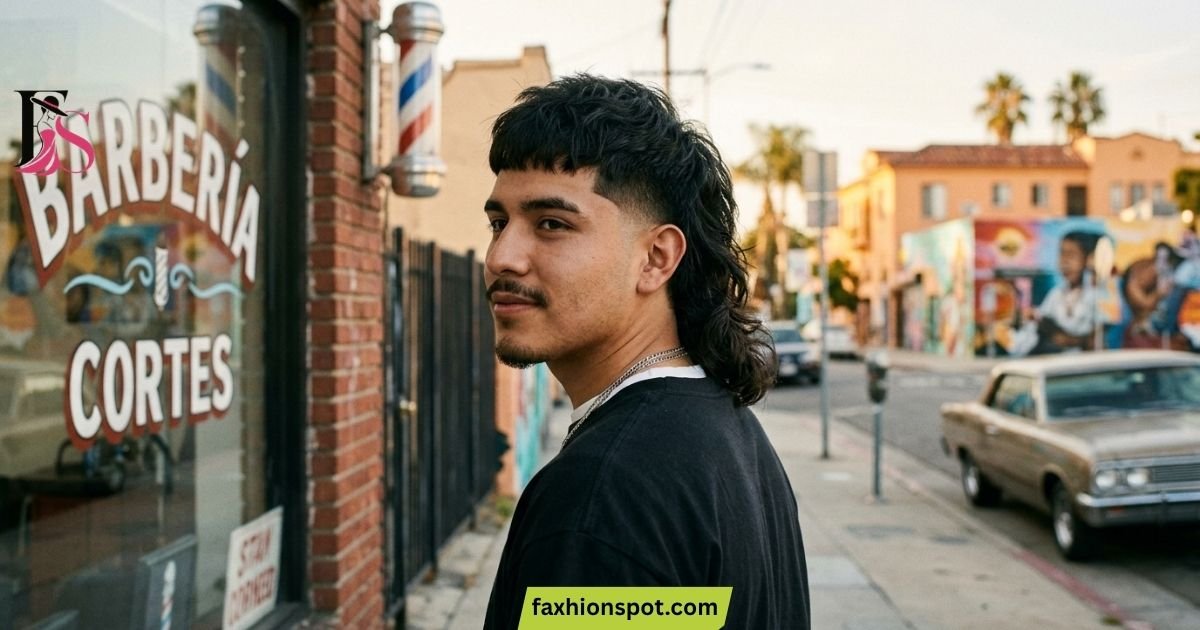
The Mexican Mullet Haircut is a bold men’s hairstyle that combines clean, faded sides, a textured top, and longer hair at the back.
In 2026, this modern look continues to attract attention because it balances sharp barbering with natural movement and individual style. From a subtle low taper to a dramatic burst fade or a distinctive Edgar-inspired fringe, there are plenty of ways to personalize the cut.
Whether you have straight, wavy, curly, or thick hair, choosing the right variation can make a noticeable difference in your overall appearance.
Understanding the Mexican Mullet Haircut
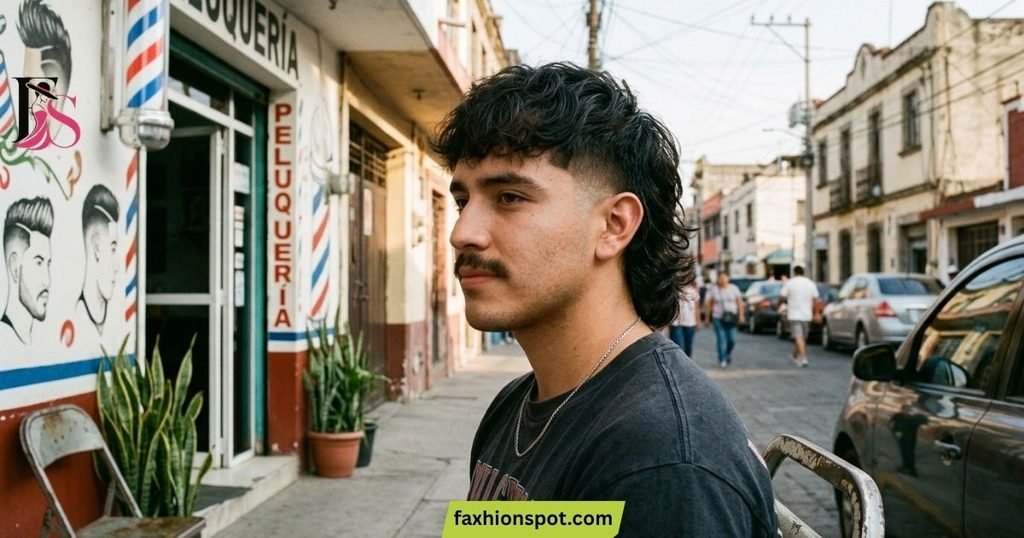
A Mexican Mullet Haircut is a modern variation of the traditional mullet, featuring shorter sides, a shaped top, and longer hair through the back and nape. Many versions incorporate clean tapers, burst fades, textured fringes, or the sharp front associated with the Edgar haircut.
The main difference between this style and a classic mullet is the emphasis on detailed barbering. Instead of leaving the sides relatively full, the barber often creates a tighter, more defined silhouette around the temples and ears.
The result can look sharp, relaxed, edgy, or sporty depending on the fade, fringe, and back length.
This haircut is also associated with Mexican-American Takuache and contemporary Latino barbershop culture. However, there is no single traditional formula for the style. Its modern variations reflect individual preferences, hair textures, and regional influences.
Why the Mexican Mullet Haircut Has Become So Popular
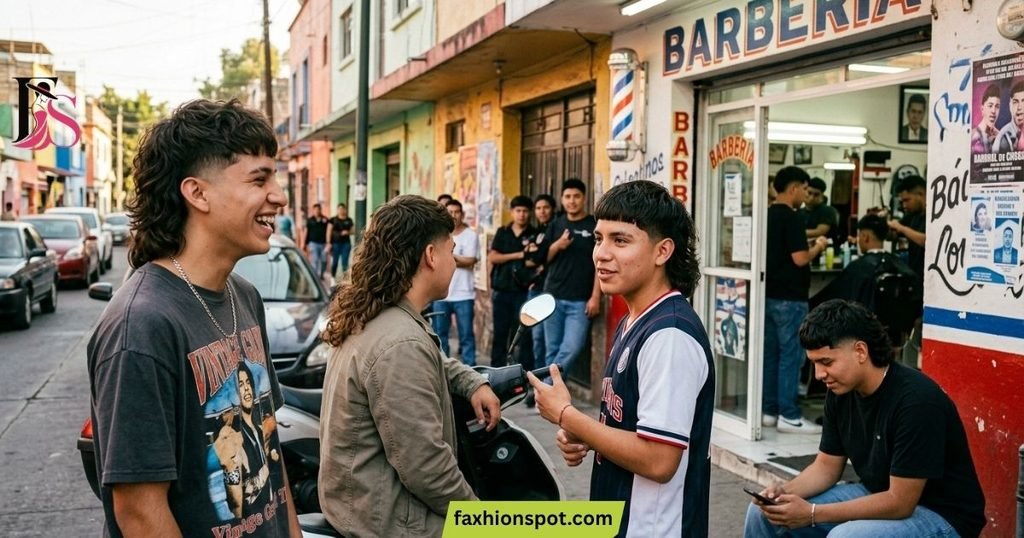
The Mexican Mullet Haircut has gained visibility through social media, modern barbershop culture, and the popularity of textured men’s hairstyles. Music artists, online creators, and hairstyle influencers have helped introduce different mullet variations to wider audiences.
Its appeal comes from several practical advantages:
- Personal expression: The combination of a short front, faded sides, and longer back creates a distinctive appearance.
- Versatility: You can choose a subtle taper or a more dramatic fade.
- Texture-friendly design: Natural curls and waves can add volume without excessive styling.
- Customizable details: A line-up, fringe, hair design, or beard can change the overall effect.
- Different styling options: The top can be messy, slicked back, cropped, or brushed forward.
Another reason for its popularity is that the cut can be adapted to different lifestyles. A low taper with moderate back length may suit someone who prefers a neat appearance, while a high-contrast fade and extended nape create a more expressive look.
Key Features That Make This Haircut Unique
Sharp Contrast Between Front and Back
The defining feature is the contrast between the shorter front and sides and the longer hair at the back. The front may have a blunt fringe, textured crop, or lifted top, while the back retains enough length to form the recognizable mullet silhouette.
The best results depend on proportion. If the back is too short, the haircut may resemble a regular fade with a textured top. If it is excessively long without proper layering, the overall shape can appear unbalanced.
Modern Fade Techniques
Fades and tapers give the style its clean, contemporary finish. Common choices include low taper fades, mid fades, burst fades, and skin fades.
A low taper keeps the transition subtle around the ears and neckline. A burst fade curves around the ears, creating a rounded shape that complements the longer back. Skin fades produce stronger contrast by reducing the hair very close to the scalp.
The right technique depends on your preferred appearance, hair density, and how frequently you want to visit your barber.
Strong Texture and Movement
Texture prevents the top and back from looking heavy or flat. Barbers can create it with point cutting, layering, or other suitable cutting techniques.
Straight hair may benefit from choppy layers, while wavy and curly hair can use natural movement to create volume. Thick hair often needs careful weight removal so the back does not become bulky.
Customizable Styling Options
This cut can be adjusted through fringe shape, fade height, crown length, neckline design, and styling direction.
Popular options include a straight Edgar fringe, a messy textured top, a slick-back finish, and a naturally flowing back. Some men also add a shaved line or a clean line-up for extra definition.
Trending Mexican Mullet Haircut Styles
Taper Fade Mexican Mullet
The taper fade variation offers a balanced introduction to the mullet trend. Hair gradually becomes shorter around the temples, sideburns, and neckline, while the crown and back retain their length.
It works well for men who want a modern hairstyle without an extremely exposed scalp. The top can be textured or brushed forward, depending on hair type.
Best for: First-time mullet wearers, straight hair, wavy hair, and men who prefer a clean finish.
Barber tip: Request a gradual taper while preserving the length at the nape.
Burst Fade Mexican Mullet
A burst fade creates a curved transition around each ear while leaving the back longer. This shape makes the mullet silhouette especially noticeable from the side and rear.
It works particularly well with curly tops, textured fringes, and slightly longer crowns. The rounded fade can also create a strong contrast without removing the hair needed to maintain the mullet shape.
Best for: Wavy or curly hair, bold styles, and men who want a defined side profile.
Barber tip: Ask for a burst fade around the ears with a smooth transition into the longer back.
Textured Mexican Mullet
A textured version uses uneven layers and separated strands to create a relaxed, natural finish. Instead of a perfectly smooth top, the hair has visible movement and a slightly messy appearance.
This style is useful for straight or thick hair that needs more dimension. A lightweight matte clay or texture spray can help define the layers without making them stiff.
Best for: Straight, thick, or naturally wavy hair.
Barber tip: Ask for textured layers on top and through the back rather than a heavy, blunt shape.
Edgar Mexican Mullet
The Edgar variation combines a defined forward fringe with the longer back of a mullet. The fringe is often cut straight across the forehead, although softer and more textured versions are also possible.
This creates a striking contrast between the structured front and flowing rear. Because the fringe is such a noticeable feature, its length and shape should be chosen carefully.
Best for: Straight or thick hair and men who enjoy sharp, geometric hairstyles.
Barber tip: Bring a reference photo and explain how much forehead coverage you want.
Low Taper Mexican Mullet
The low taper variation keeps the sides and neckline neat without creating an aggressive fade. Most of the length remains around the crown and back, producing a more understated appearance.
It is a practical choice for men who want to experiment with the mullet shape while keeping the haircut suitable for everyday settings.
Best for: Beginners, students, professionals, and men who prefer subtle transitions.
Barber tip: Keep the taper low and avoid cutting too much length from the nape.
Curly Mexican Mullet
Curly hair gives this style natural volume, definition, and movement. The sides can be tapered or faded while the curls remain longer on top and through the back.
The main challenge is managing bulk without removing too much curl length. A skilled barber should account for shrinkage because curls often appear shorter when dry.
Best for: Loose curls, tight curls, and naturally voluminous hair.
Barber tip: Discuss how your curls sit when dry and request a shape that preserves their natural pattern.
Wavy Mexican Mullet
A wavy variation uses natural bends in the hair to create a softer, flowing silhouette. The top can be left slightly longer, allowing the waves to continue into the back.
Compared with a sharply defined Edgar variation, this style usually looks more relaxed and less structured. A small amount of sea salt spray or lightweight styling cream can enhance the texture.
Best for: Type 2A, 2B, and 2C wavy hair.
Barber tip: Ask for layers that follow your natural wave pattern rather than forcing the hair into a straight shape.
Modern Disconnected Mexican Mullet
A disconnected version creates a noticeable difference between the short sides and the longer top or back. Instead of blending every section seamlessly, the barber intentionally preserves a stronger separation.
This produces an edgy, high-contrast appearance. It can look impressive with a textured crown, a defined fringe, or a longer back, but the proportions need careful planning.
Best for: Thick hair and men who prefer statement hairstyles.
Barber tip: Specify how strong you want the separation to look and show your barber the desired side profile.
Crop Top Mexican Mullet
The crop-top variation pairs a short, textured top with longer hair at the back. The fringe may be blunt, slightly uneven, or softly textured.
Its shorter top makes the hairstyle relatively easy to manage, while the extended nape maintains the mullet character. A low or mid taper can help connect the different sections.
Best for: Men who want a shorter hairstyle with a distinctive rear silhouette.
Barber tip: Keep the crown long enough to transition naturally into the back.
Slick Back Mexican Mullet
The slick-back version directs the top away from the forehead while retaining the longer back. This creates a more controlled appearance than a messy or forward-fringe variation.
A lightweight styling cream or flexible-hold product can keep the hair in place without eliminating movement. Avoid using excessive gel if you prefer a natural finish.
Best for: Medium-length straight or wavy hair.
Barber tip: Request enough length on top to brush backward comfortably and ask for layers that prevent the back from looking too heavy.
Choosing the Right Mexican Mullet for Your Face Shape
Face shape can help you select a flattering variation, but hair texture, hairline, personal preference, and overall proportions also matter.
Oval Face
Oval faces generally accommodate many versions of this haircut. A textured top, burst fade, low taper, or Edgar-inspired fringe can all work well.
Choose the version that matches your preferred level of contrast rather than restricting yourself to a single style.
Round Face
A little height and texture on top can make a round face appear more elongated. A mid taper or carefully positioned burst fade can add definition, while a controlled fringe avoids making the face look shorter.
Avoid excessive width around the temples if your goal is a slimmer visual profile.
Square Face
Square faces have a strong jawline and relatively angular proportions. A textured mullet, Edgar variation, or clean taper can complement these features.
A sharp fringe emphasizes structure, while softer layers create a more relaxed appearance. Choose according to whether you prefer a bold or understated finish.
Diamond Face
Diamond faces typically have prominent cheekbones, with a narrower forehead and chin. A textured top with moderate side volume can help balance the proportions.
Avoid removing too much width from every part of the sides if doing so makes the cheekbones appear more prominent. A barber can adjust the taper and fringe to suit your features.
Best Hair Types for a Mexican Mullet
This hairstyle can work with different textures, although the cutting technique should change according to how the hair naturally behaves.
| Hair type | Recommended variation | Styling advice |
| Straight | Edgar or textured mullet | Use matte clay for separation |
| Wavy | Low taper or flowing mullet | Enhance waves with lightweight cream |
| Curly | Burst fade or curly mullet | Use curl cream and avoid excessive brushing |
| Thick | Disconnected or layered mullet | Remove excess bulk through suitable layering |
| Fine | Short textured crop mullet | Use lightweight volumizing products |
Hair length is also important. If you want a pronounced back, you may need to grow your hair before your appointment. Your barber can assess your current length and suggest a transition cut while it grows.
How to Style a Mexican Mullet Haircut
The styling routine depends on the finish you want, but most versions can be managed with a few basic steps.
- Start with clean hair. Wash when needed and gently towel-dry to remove excess water.
- Apply a suitable product. Use curl cream for curls, sea salt spray for waves, or lightweight mousse for added volume.
- Shape the top. Use your fingers or a comb to create a fringe, textured finish, or slicked-back appearance.
- Dry carefully. Use a blow-dryer on a moderate setting when you need extra volume. A diffuser can help preserve curls.
- Define the back. Apply a small amount of product to separate layers and encourage natural movement.
- Finish lightly. Use flexible-hold hairspray if you need extra control, without making the hair stiff.
Avoid applying too much product at the roots. Heavy products can flatten fine hair, weigh down waves, and make textured layers look greasy.
Maintenance Tips for Long-Lasting Results
A well-shaped mullet needs occasional maintenance, particularly when the sides are faded or the fringe is sharply defined.
Follow these practical tips:
- Refresh the fade: Schedule a trim approximately every two to four weeks if you want the sides to remain crisp.
- Maintain the overall shape: Depending on your growth rate and preferred length, a full reshaping every four to eight weeks may be suitable.
- Protect the back length: Tell your barber not to remove unnecessary length from the nape.
- Use suitable products: Match shampoo, conditioner, and styling products to your hair texture.
- Avoid excessive heat: Use moderate heat and a heat protectant when blow-drying regularly.
- Manage split ends: Trim damaged ends when necessary instead of repeatedly cutting the entire back short.
The exact schedule depends on your hair growth, fade height, and preferred appearance. A soft taper can grow out more naturally than a very tight skin fade.
Common Mexican Mullet Haircut Mistakes to Avoid
Even a good haircut can disappoint when the proportions or styling are wrong. Avoid these common errors when planning your next visit.
1. Cutting the back too short
The extended nape is essential to the mullet silhouette. Removing too much length can make the result resemble an ordinary textured fade.
2. Choosing the wrong fade height
A high fade creates more contrast, while a low taper keeps the shape subtle. Choose the transition based on your desired appearance rather than following a trend blindly.
3. Ignoring natural hair texture
Straight, wavy, and curly hair respond differently to layering and styling. Your barber should adapt the cutting technique to your hair instead of copying a reference photo exactly.
4. Making the fringe too blunt or too short
A sharply defined fringe can be striking, but an unsuitable length may emphasize features you would rather soften. Discuss forehead coverage before the first cut.
5. Removing too much weight from thick hair
Over-thinning can leave the back looking uneven or reduce the shape you wanted to preserve. Controlled layering is often a better approach.
6. Neglecting regular trims
When the sides grow out, the clean contrast gradually disappears. Schedule maintenance according to your desired finish.
7. Using too much styling product
Excessive wax, gel, or cream can make the top look greasy and flatten natural texture. Start with a small amount and add more only when necessary.
Click Here To Read Another Topic
Why Barbers Recommend the Mexican Mullet
Barbers often recommend this style to clients who want a haircut with personality and flexibility. Its different elements can be adjusted individually, making it easier to customize the result to the client’s hair and preferences.
The sides can be kept neat, the fringe can be softened or sharpened, and the back can be shaped with layers to improve movement. This flexibility makes it possible to create both understated and dramatic versions.
However, the quality of the result depends on good proportions and clear communication. Reference photos, realistic length expectations, and a discussion about maintenance help the barber create a more suitable cut.
FAQs: Mexican Mullet Haircut
What is a Mexican mullet haircut?
It is a modern mullet variation featuring shorter sides, a textured or structured top, and longer hair at the back, often combined with a taper or fade.
Is a Mexican mullet suitable for all hair types?
It can be adapted for straight, wavy, curly, and thick hair. The barber should adjust the layering, fade, and styling method to suit your natural texture.
How often should a Mexican mullet be trimmed?
A fade may need refreshing every two to four weeks, while a full reshaping may be suitable every four to eight weeks, depending on growth and style.
What is the difference between a classic mullet and a Mexican mullet?
A classic mullet often keeps more fullness through the sides, while modern Mexican-inspired variations commonly feature sharper fades, defined fringes, and detailed barbering.
Does a Mexican mullet require daily styling?
Not always. A natural, wavy version may need very little work, while a sharply defined fringe or slicked-back finish usually requires more daily attention.
Conclusion
The Mexican Mullet Haircut offers a wide range of possibilities, from a subtle low taper to a bold burst fade, textured crop, or Edgar-inspired style.
The best version depends on your hair type, face shape, desired length, and willingness to maintain the fade.
With balanced proportions, suitable styling products, and regular maintenance, this modern mullet can become a distinctive hairstyle that reflects your personality throughout 2026.