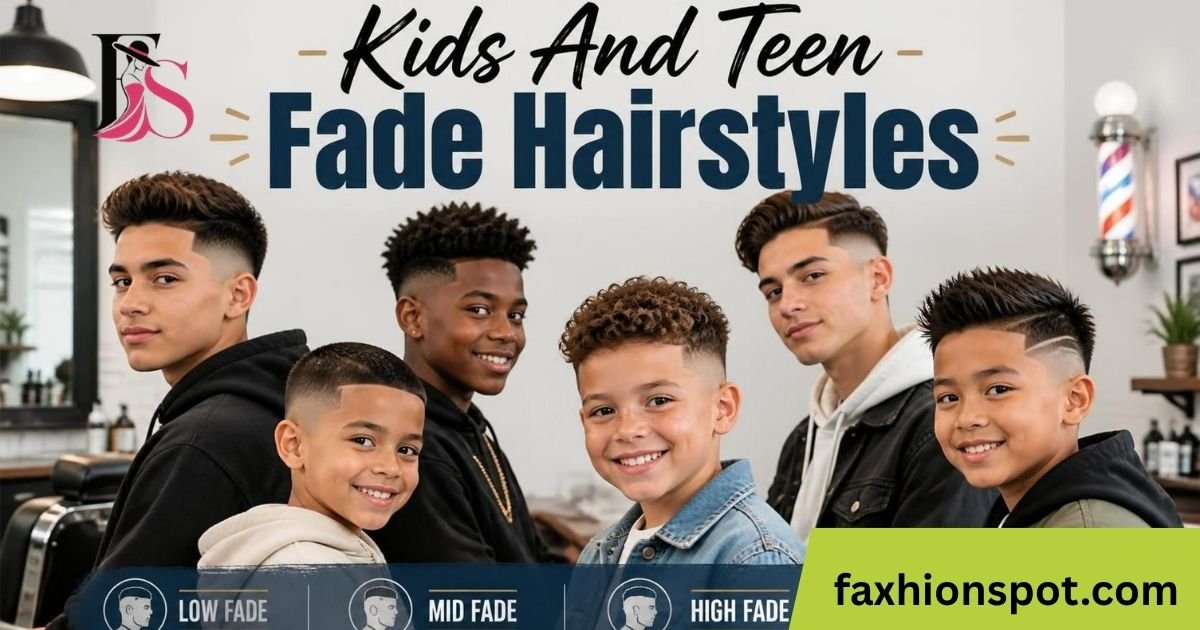
Kids and teen fade hairstyles are popular choices for boys who want a clean, modern, and easy-to-manage look.
From simple school haircuts for younger children to textured tops and bold fades for teenagers, there is a style to suit almost every personality, hair type, and face shape.
The key is choosing a haircut that looks good without requiring too much daily styling or frequent trips to the barber.
What Is a Fade Haircuts?
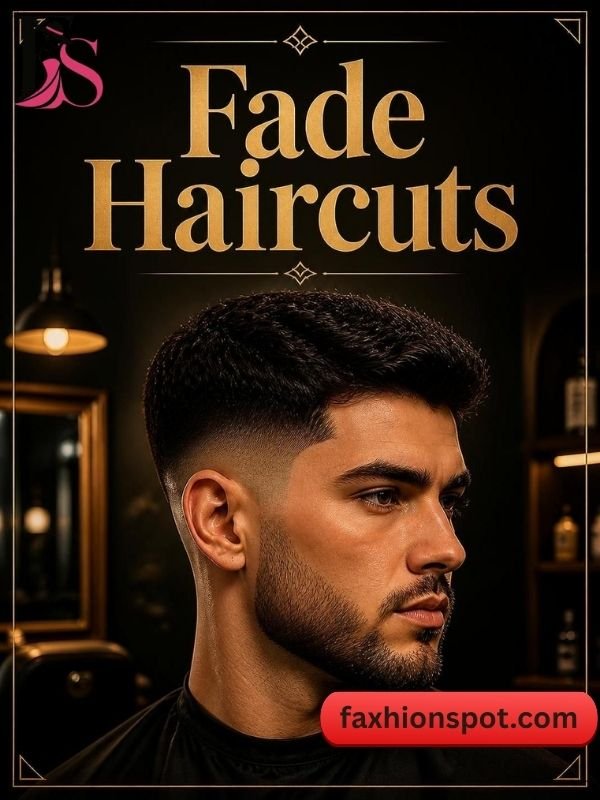
A fade haircut is a hairstyle in which the hair gradually becomes shorter along the sides and back of the head. The hair usually remains longer on top, creating a smooth transition between different lengths.
The fade can start low near the ears, around the temples, or higher up the sides. The barber uses clippers and blending techniques to create a neat, balanced finish without harsh lines.
Fade haircuts work well for children and teenagers because they can be customized in many ways. Boys can choose a short textured top, natural curls, a side part, a fringe, or a longer hairstyle with faded sides.
Why boys and parents like fades:
- They create a clean, modern appearance.
- They work with straight, wavy, curly, and coily hair.
- They can be adapted to school rules and personal preferences.
- They keep the sides neat while allowing different styles on top.
- They range from subtle, low-maintenance cuts to bold, fashionable looks.
The best haircut is not necessarily the most dramatic one. It is the style that suits the boy’s age, comfort, hair texture, and daily routine.
Fade Types Explained in Simple Words
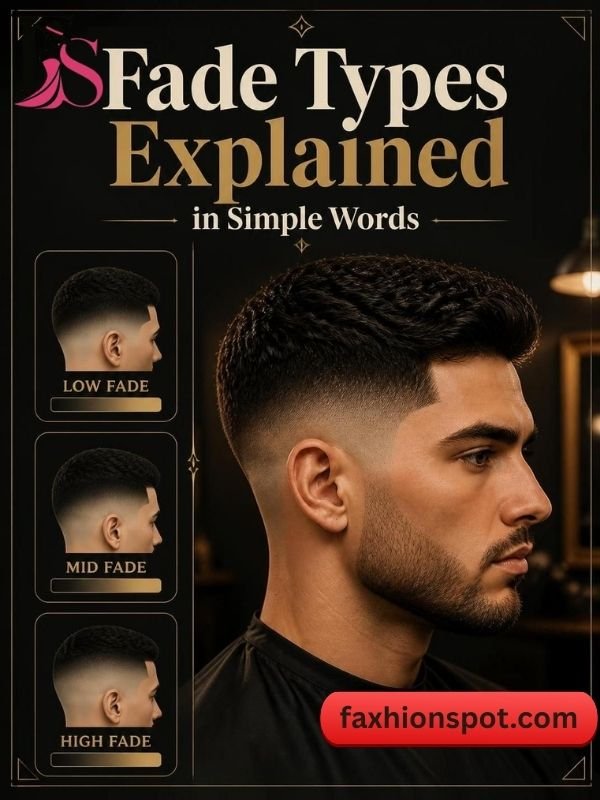
Understanding the different types of fades makes it easier to explain your preferred haircut to a barber. The main difference is where the shortest section begins and how much contrast the haircut creates.
| Fade type | Where it starts | Overall appearance | Best for |
| Low fade | Near the ears and neckline | Subtle and neat | Younger boys and school-friendly styles |
| Mid fade | Around the temples | Balanced and modern | Most face shapes and hair types |
| High fade | Higher on the sides | Bold and noticeable | Teens who prefer stronger contrast |
| Skin or bald fade | Blends down to bare skin | Sharp and high-contrast | Boys who like very short sides |
| Taper fade | Mainly around the sideburns and neckline | Natural and understated | Classic, low-key haircuts |
| Drop fade | Curves downward behind the ears | Rounded and distinctive | Curly tops, textured styles, and faux hawks |
| Burst fade | Curves around the ears | Sporty and eye-catching | Faux hawks, curls, and modern styles |
Low Fade:
A low fade begins just above the ears and gradually blends into the longer hair above. It creates a tidy appearance without removing too much hair from the sides.
This is an excellent option for younger boys who need a haircut that looks appropriate for school, family occasions, and everyday activities. It also works well with short fringes, combed tops, and natural curls.
Barber tip: Ask for a low fade with a soft blend and enough length on top to suit your child’s hair texture.
Mid Fade:
A mid fade begins around the temples, creating a balance between a subtle low fade and a more dramatic high fade. It gives the haircut a modern shape without making the sides look excessively short.
Boys can pair a mid fade with a textured crop, messy top, curls, or a short side part. It is a versatile option for children and teenagers who want something stylish but practical.
High Fade:
A high fade starts higher on the sides of the head, creating greater contrast between the short sides and the longer top.
It is particularly popular with teenagers who like sharp, sporty, or fashion-forward hairstyles. A high fade can look excellent with a spiky top, curly high top, or textured fringe.
However, it exposes more of the sides of the head, so it may require more frequent trims to maintain its original shape.
Skin/Bald Fade:
A skin fade, also called a bald fade, gradually blends the hair down to bare skin at the lowest point. This produces a crisp finish and a noticeable contrast with the hair above.
It can be combined with short curls, a textured top, or a neat comb-over. Because the shortest section reaches the skin, parents should consider their child’s comfort and any scalp sensitivity.
A skin fade generally needs more frequent maintenance than a softer fade because new growth quickly changes the contrast.
Taper Fade:
A taper fade gradually shortens the hair around the sideburns and neckline while leaving more hair on the sides and back than many traditional fades.
It is an excellent choice for boys who want a polished haircut without an overly dramatic appearance. A low taper can also complement longer, natural hairstyles and textured tops.
For younger children, this is often a sensible starting point because the finish can be subtle and easy to grow out.
Drop Fade:
A drop fade curves downward behind the ears instead of following a level path around the head. This curved shape gives the haircut a distinctive outline.
It works especially well with curly tops, textured fringes, faux hawks, and hairstyles that keep some length at the back.
A drop fade can be subtle or dramatic depending on how high the blend starts and how short the barber cuts the sides.
Burst Fade:
A burst fade creates a rounded fade around the ears, leaving more length toward the back of the head. Unlike a standard fade, its curved shape is a defining feature.
This haircut pairs well with a faux hawk, curly top, or short modern mullet. It is a good choice for boys who want something more distinctive than a classic fade.
For school-aged children, a simple burst fade without elaborate shaved designs can provide a stylish look while remaining relatively easy to manage.
Kids Fade Haircuts (Ages 4–10)
For younger boys, comfort, simplicity, and easy maintenance should come before complicated styling. A haircut should suit the child’s hair texture and daily activities while allowing enough flexibility for school, sports, and play.
Here are some suitable options:
1. Low Fade with Short Top
This classic style keeps the sides neat and the top short. It is easy to wash, dries quickly, and requires very little styling before school.
2. Taper Fade with Natural Hair
A natural taper maintains a softer appearance around the ears and neckline. It is ideal for parents who prefer a traditional haircut with a modern finish.
3. Curly Top with Low Fade
Boys with curly hair can keep their natural curls on top while the sides remain tidy. A suitable curl cream may help control frizz without making the hair stiff.
4. Textured Crop Fade
The textured crop features short, slightly uneven layers on top, often with a short fringe. It is a practical choice for active children who do not want to spend time styling their hair.
5. Mid Fade with Side Part
A side part adds a more polished appearance, making this style suitable for school photos, parties, and family events.
6. Short Buzz Cut with Fade
This cut combines a short top with faded sides. It is easy to maintain and works well for boys who prefer minimal grooming.
7. Simple Burst Fade
A subtle burst fade around the ears adds personality without requiring a complicated top style. It works particularly well with short curls or a small faux hawk.
Tips for Choosing a Fade for Younger Boys
- Choose a comfortable fade height rather than copying an older teenager’s haircut exactly.
- Keep the top manageable if your child dislikes combing or styling.
- Ask the barber to avoid an excessively close shave if your child has a sensitive scalp.
- Consider school dress codes before requesting shaved designs.
- Bring a reference photo to help the barber understand your preferred result.
Teens Fade Haircuts (Ages 11–17)
Teenagers often want more freedom to express their personalities through their hair. A suitable fade can provide a modern appearance while allowing different levels of texture, length, and styling.
The best option depends on hair type, personal preference, school requirements, and the amount of time available for daily grooming.
1. High Fade with Spiky Top
A high fade with a spiky top creates a sharp, energetic look. The sides remain very short while the longer hair on top is styled upward for added height and definition.
It works particularly well for teenagers with straight or slightly wavy hair. A small amount of lightweight styling paste can help hold the spikes in place without making the hair look overly stiff.
2. Curly High Top Fade
The curly high top fade keeps natural curls full on top while the sides gradually become shorter. This creates a strong shape and allows the curl pattern to stand out.
It is especially suitable for boys with curly or coily hair who want a defined silhouette. Regular conditioning and gentle detangling can help keep the curls healthy.
3. Burst Fade Faux Hawk
A burst fade faux hawk combines a curved fade around the ears with a longer strip of hair through the center. The top can be styled upward or toward the middle to create a faux-hawk shape.
This haircut suits teens who want something sporty and distinctive without committing to a traditional mohawk.
4. Undercut Fade
An undercut fade combines longer hair on top with closely cut sides. Depending on the design, the transition can be soft or create a more noticeable contrast.
Teenagers can style the top backward, to one side, or with natural texture. This is a versatile option for boys who enjoy experimenting with different looks.
5. Drop Fade with Flow
A drop fade with flow preserves enough length on top and toward the back to create natural movement. The fade curves behind the ears, giving the haircut a rounded profile.
This style works particularly well for medium-length straight or wavy hair. It is a good choice for teens who prefer a relaxed, less structured appearance.
6. Comb Over Fade
The comb-over fade pairs short, blended sides with hair brushed to one side. It creates a neat, classic appearance that works for everyday wear, school events, and formal occasions.
A little lightweight styling cream can help maintain the part without making the hair greasy or stiff.
7. French Crop Fade
A French crop fade features short, textured hair on top with a fringe that sits toward the forehead. The faded sides give the haircut a clean, contemporary shape.
It is especially useful for teenagers who want a fashionable haircut that requires little daily effort. The fringe can be worn straight, slightly uneven, or textured.
8. Messy Top Fade
The messy top fade combines tidy sides with a deliberately textured top. It creates a relaxed appearance without looking unkempt when cut properly.
This style works well for straight, wavy, and some curly hair types. A small amount of matte styling paste can add definition while preserving natural movement.
Choose the Best Fade for Face Shape:
Face shape can help you choose a haircut, but hair texture and personal preference matter just as much. These suggestions provide a useful starting point rather than strict rules.
| Face shape | Styles to consider | Why they may work |
| Round | Mid fade, textured top, faux hawk | Added height can create a more elongated appearance |
| Oval | Low fade, mid fade, comb-over fade | Many different proportions can work well |
| Square | Low fade, textured crop, side part | Soft texture can balance strong facial angles |
| Long | Low fade, French crop, side-swept top | A fringe can reduce the appearance of extra length |
| Heart-shaped | Taper fade, textured fringe, natural curls | Balanced volume can complement a narrower chin |
When choosing a haircut, consider the child’s forehead, hairline, curl pattern, and preferred top length. A good barber can adjust the fade height and overall shape to suit these features.
Styling Tips (Quick and Easy):
A good haircut should not require an elaborate morning routine. Most boys can keep their hair looking neat with a few simple steps.
- Start with clean hair: Use a suitable shampoo and rinse thoroughly.
- Dry gently: Pat the hair with a towel instead of rubbing it aggressively.
- Choose a suitable product: Lightweight cream or matte paste can help style longer tops.
- Work with natural texture: Curly hair may need a curl cream, while straight hair may benefit from a small amount of styling paste.
- Avoid excessive product: Start with a small amount and add more only if necessary.
- Follow school rules: Keep the haircut appropriate for school requirements and activities.
For younger children, styling products are often unnecessary. A simple comb-through or a little water may be enough to keep the haircut tidy.
Click Here To Read Another Topic
Maintenance Tips:
Even a low-maintenance haircut needs occasional trimming to retain its shape. How frequently a boy should visit the barber depends on hair growth, fade height, and how sharp he wants the edges to look.
| Haircut style | Suggested trim interval | Maintenance level |
| Low fade | Around 3–5 weeks | Low to moderate |
| Mid fade | Around 2–4 weeks | Moderate |
| High fade | Around 2–3 weeks | Moderate to high |
| Skin fade | Around 1–3 weeks | High |
| Taper fade | Around 3–5 weeks | Low to moderate |
| Burst or drop fade | Around 2–4 weeks | Moderate |
These intervals are general estimates, not strict rules. Hair growth varies, and some boys are happy to let their cuts grow out longer.
To maintain healthy hair and a neat appearance:
- Wash hair as needed using a gentle shampoo.
- Condition longer or curly hair to help reduce tangling.
- Avoid using excessive heat when drying or styling.
- Keep combs and brushes clean.
- Schedule trims according to the desired appearance and budget.
- Tell the barber if the previous cut felt too short or required too much styling.
Parents should also communicate with younger children about their comfort during haircuts. If a child dislikes clippers near the ears or a very short finish, a softer fade may be a better choice.
Conclusion:
Kids and teen fade hairstyles offer plenty of options for boys who want a clean, modern haircut that matches their age, personality, and hair type.
Younger children often benefit from simple low fades, natural tapers, and textured crops, while teenagers may prefer high fades, curly high tops, burst fades, or longer styles with more movement.
Whether the goal is a classic school haircut or a bold modern style, the right fade can help a boy feel comfortable and confident in his appearance.
Frequently Asked Questions
Which fade haircut is best for kids?
A low fade or taper fade is often a practical choice for younger boys because it looks neat, is relatively easy to maintain, and can suit different hair types.
What is the best fade haircut for teenage boys?
A mid fade with a textured top is a versatile option, while a high fade, curly high top, or burst fade may suit teens who prefer a bolder look.
How often should kids and teens get a fade haircut?
Many boys benefit from a trim every two to five weeks, depending on the fade type, hair growth, and how sharp they want the haircut to remain.
Are fade haircuts suitable for curly hair?
Yes. Fades work well with curly and coily hair because they keep the sides tidy while allowing natural curls to remain full and defined on top.
Which fade haircut is easiest to maintain?
A low fade or taper fade with a short top is generally easy to manage because it requires little styling and grows out more softly than a very high or skin fade.
Can kids get the same fade haircut as teenagers?
Yes, many fade styles can be adapted for different ages. The barber can adjust the fade height, top length, and finish to suit the child’s comfort and preferences.